
South Carolina homebuilding races to catch up with jobs
Key points:
- • Of South Carolina’s families, 62.8% cannot afford a median-priced home, and the state has not made up for 12 years of underbuilding around the Great Recession.
- • HBASC is pushing regional growth planning, tort reform, and a Right to Cure warranty bill as alternatives to up-front concurrency requirements.
- • Be Pro Be Proud has reached every county and more than 60,000 visitors, and technical colleges are adding trade classes to meet demand.
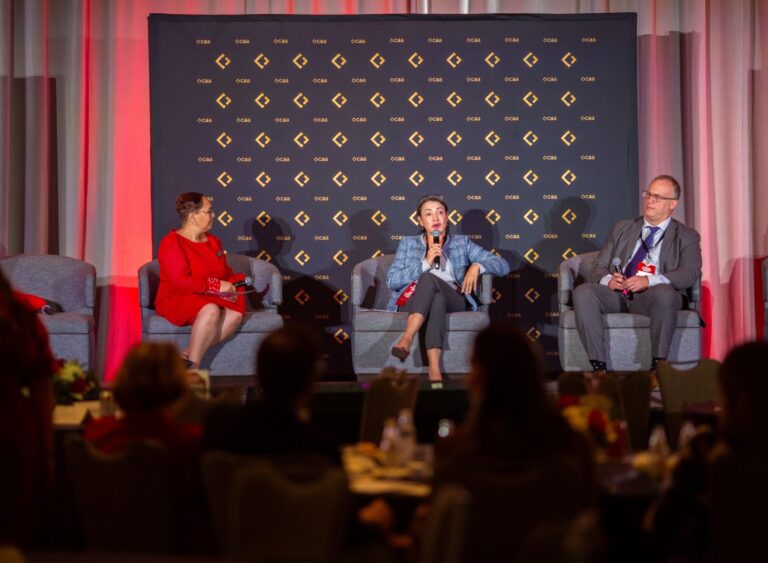
 November 2026 — Mark Nix, executive director of the Home Builders Association of South Carolina, says South Carolina homebuilding has never recovered from more than a decade of underbuilding. Meanwhile, the jobs keep arriving. According to Nix, 62.8% of the state’s families cannot afford a median-priced home.
Join us at caa’s upcoming leadership summits! These premier events bring together hundreds of public and private sector leaders to discuss the challenges and opportunities for businesses and investors. Find the next summit in a city near you!
Nix measures housing in jobs, not square footage. Almost 20 years ago, an economist told him that a house is where a job goes to sleep at night, and the idea still shapes how he describes the association’s mission. Asked how housing fits into economic development, he tied every recruitment win to a roof. “You can’t recruit a corporation with hundreds of jobs unless those families have places to live. We need the jobs and the houses that go with them.”
Demand now comes from across the country. Nix recalled when license plates in new subdivisions came mostly from neighboring states like North Carolina and Georgia. The map has stretched considerably since then. “Today, I’m seeing plates from Hawaii, California and Washington state.”
HBASC built its Housing Attainability Index to give lawmakers, local leaders, and the public county-level data across all 46 counties. Its April 2026 release tied the latest decline in affordability to mortgage rates, which rose from 5.96% to 6.069%. Nix put the scale of the shortfall in plain terms, saying no single burst of construction could close it. “We could put 60,000 houses on the ground tomorrow and still need more. We went through 12 years of severe underbuilding around the Great Recession, and we have never caught up.”
Planning ahead, not paying up
Nix calls growth management the biggest question facing the state. Several bills this year centered on concurrency, which supporters describe as making growth pay for growth. He explained what that means for a builder trying to break ground. “In practice, it too often means getting approval from every government agency and paying up front before a single house can be built.”
He points to California and Washington state as cautionary examples, where housing costs show how the approach turned out. HBASC is instead advancing legislation that would put the state’s Councils of Governments and other partners to work helping municipalities, counties, and regions plan together. Growth stretches from the coast to the Charlotte market’s South Carolina edge, across the Upstate, and through the Midlands. Nix argues the planning has to match that reach, and he reframes the frustration that drives concurrency debates. “When people are frustrated sitting in traffic they never used to see, that is a planning problem.”
The tort tax on new homes
Liability costs are the association’s second front. Nix said South Carolina’s legal system carries the highest tort costs in the country, and he put a household figure on the burden. “When a South Carolina family is paying almost $4,000 in what we call a tort tax, that hits affordability directly.”
In 2025, the Senate passed S.244, the state’s tort reform bill, by a 35-7 vote with Gov. Henry McMaster’s backing. Nix wants lawmakers to finish the job. HBASC is also developing a Right to Cure bill that would provide a home warranty on every new home. Nix said other states’ experience shows the model reduces lawsuits and saves homeowners hundreds of dollars on insurance. For buyers, the appeal is speed. “It gets the homeowner a faster fix and keeps disputes out of the courtroom.”
Selling the trades to students
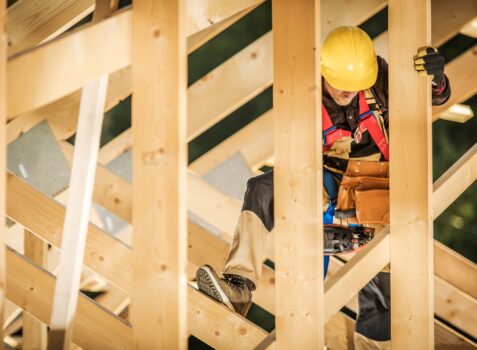
Labor remains the other constraint on South Carolina homebuilding. About six years ago, the association still relied on career fair tables stocked with brochures and a bucket of candy. Nix admitted the approach did little to change minds. “Students would grab a piece of candy and keep walking without learning much about our industry.”
HBASC partnered with other trade associations and the South Carolina Chamber of Commerce to bring Be Pro Be Proud to the state, making South Carolina only the second in the nation to join. The program is a mobile workshop built into a tractor trailer, loaded with VR games, truck driving simulators, and forklift simulators. Nix sums up the experience in four words. “I call it Disney World on wheels.”
In four years on the road, the trailer has visited every county and welcomed more than 60,000 visitors. Nix said the returns are now showing up in classrooms. “Technical colleges tell me their electrical and plumbing classes are filling up, and they’re adding classes to keep pace.”
The simulations challenge a narrow picture of the work. One drops students into a bathroom where they must fix a leak before the room floods. Another has them change the lights on a football field. Nix also stresses strong pay and careers that often come without student debt, and he noted that young women have started asking about construction careers at events. His pitch to students comes with a promise. “I tell young people all the time: learn a trade, and you’ll find work in South Carolina. You won’t go unemployed.”
Nix sees the cost of a slow response in his own family. His son’s one-bedroom apartment in downtown Lexington started at $1,400 and climbed to about $3,600 by the time he moved out. Executives weighing South Carolina sites should watch two things: whether the House takes up S.244, and whether the regional planning legislation advances next session. Both will shape what it costs to house the workforce they hire. Nix frames the decision as a fork in the road. “We can repeat the mistakes other growing states have made, or we can chart our own course. I’m confident South Carolina will find its own solutions.”
Want more? Read the Invest: South Carolina report.