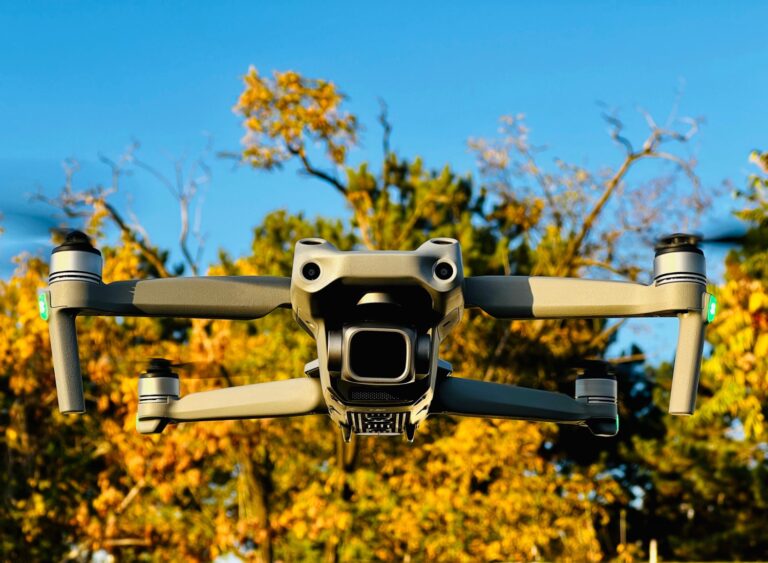
Police drone expansion tests city oversight
Key points:
- • Police drones are now launching as 911 first responders in cities from Orlando to Dallas to Boston.
- • Oversight is lagging: Philadelphia’s drone fleet has no independent oversight, and Nashville’s pilot launched without council approval.
- • Nashville has answered with a law banning facial recognition and fully autonomous drones on city aircraft.
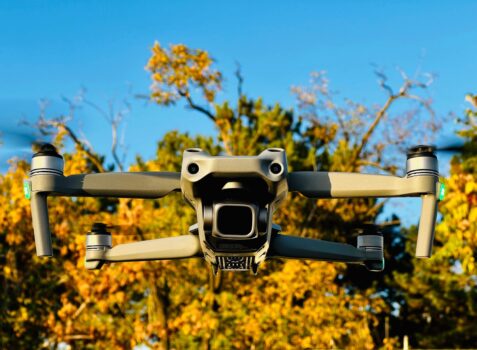 November 2026 — Police drones have a trust problem. From Florida to Texas to Massachusetts, cities are putting drones in the air to reach 911 calls before officers do. In several of them, the rules are arriving after the aircraft.
Join us at caa’s upcoming leadership summits! These premier events bring together hundreds of public and private sector leaders to discuss the challenges and opportunities for businesses and investors. Find the next summit in a city near you!
Speed is the pitch
Orlando shows how big these programs are getting. Its program runs 11 drones and costs about $6.8 million over nine years. During a seven-week trial, a single drone beat ground officers to the scene on 33% of calls and supplied critical situational information in 97% of cases.
Texas is moving just as fast. Dallas launched its program on May 20 with eight Skydio X10 drones based at fire stations and flown from the department’s real-time crime center. Fort Worth’s Flock drones were first on scene 47% of the time across 162 calls, with an average response of 1 minute, 12 seconds.
In Boston, the police department’s pilot with Motorola Solutions and BRINC launches drones within seconds of a 911 call or ShotSpotter alert. In Pittsburgh, the drone unit’s nine drones and 16 trained officers proved valuable during the NFL Draft crowds.
Drones are also being used for rescues. Sunny Isles Beach, near Miami, says its program has pulled about 78 people from the sea since January. An official identified as Lieutenant Melissa Porro said it “sets an example for other police departments nationwide.”
Cost drives the case
Budgets are part of the pitch. San Antonio police say their helicopter costs about $1,200 an hour to fly, and drones cost significantly less. Acting Assistant Chief Miles Earwood also acknowledged limits in a report by KENS5 San Antonio: “They can’t follow a car in a pursuit. They can’t do rescue.”
Smaller departments are buying in too. Gwinnett County, outside Atlanta, spent $272,000 on its first pair of drones and used them three times on its first day. In St. Petersburg, each Skydio X10 costs about $30,000. The same piece notes that Tampa officers fly six drones over their city.
Houston’s fleet is largely funded by the Houston Police Foundation. The department is expanding its program, and the chief says a drone could help locate a fleeing suspect rather than officers chasing them through a neighborhood.
Local leaders speak up
“We purchased a drone for the city of South Fulton, and we support additional patrols by South Fulton and Fulton County police beyond standard public safety resources,” said Gil Prado, executive director of the Boulevard Community Improvement District, in an interview with Focus: Atlanta.
It is a similar story in Miami.
“On public safety, we have strengthened partnerships with the Miami Police Department and invested in both technology and coverage. We launched a drone policing pilot program that improves response time and situational awareness. The drone can reach a scene quickly, providing eyes and ears before police arrive. The program is showing results, and we expect expansion,” said Christina Crespi, executive director of the Miami Downtown Development Authority (DDA), in another interview with Invest: Miami.
Oversight catches up
The launches, however, have not been without controversy.
Nashville is the clearest example of the backlash. Its pilot launched near the Madison precinct without Metro Council approval, even though city code requires approval for surveillance technology. The council then passed a bill that bans facial recognition on city drones, prohibits fully autonomous drones, and bars third-party operators from running them. The mayor has signed it, and every police drone must now have a human operator. One resident told the council that people were “sick of being recorded without their consent.”
Philadelphia shows what happens without that pressure. Its fleet of 21 drones has flown more than 8,000 deployments since 2024, but the city has no independent oversight. The suburbs are following. Bensalem uses drones as virtual first responders to retail theft reports, and experts say adoption often comes with little community input.
Other cities are setting limits through policy:
-Pittsburgh’s council policy narrows police drone use to certain scenarios such as search and rescue.
-Houston’s chief says safeguards keep drones from being flown over backyards without a specific police purpose.
-Boston says “privacy guardrails are built into the program.”
-Orlando’s chief says drones are limited to crimes in progress and carry no facial recognition, though Florida law says little about drone policy.
–St. Petersburg police say they don’t use facial recognition on drone footage, and Florida law requires a warrant for yard flights except in certain emergencies.
Growing pains
The drone pilot launches have also not been without mishaps. A Boston police drone came down on a parked car in Brighton on Sept. 3, six days after the department announced its program. In Pittsburgh, an officer arriving for work drove over a $20,000 drone waiting on the pavement to be launched.
Yet, cities are not slowing down. Houston is expanding, San Antonio is weighing a bigger drone role for 2027, and Gwinnett says it may add more drones, according to the sources above. For city leaders, the question is shifting from whether to fly drones to how to govern them. Nashville has already written its answer into law, and most of the other markets are still working theirs out.
Want more? Read the Invest: reports.