


Spotlight on: Brian Malarkey, Partner & Managing Director – Interior Architecture, Kirksey Architecture
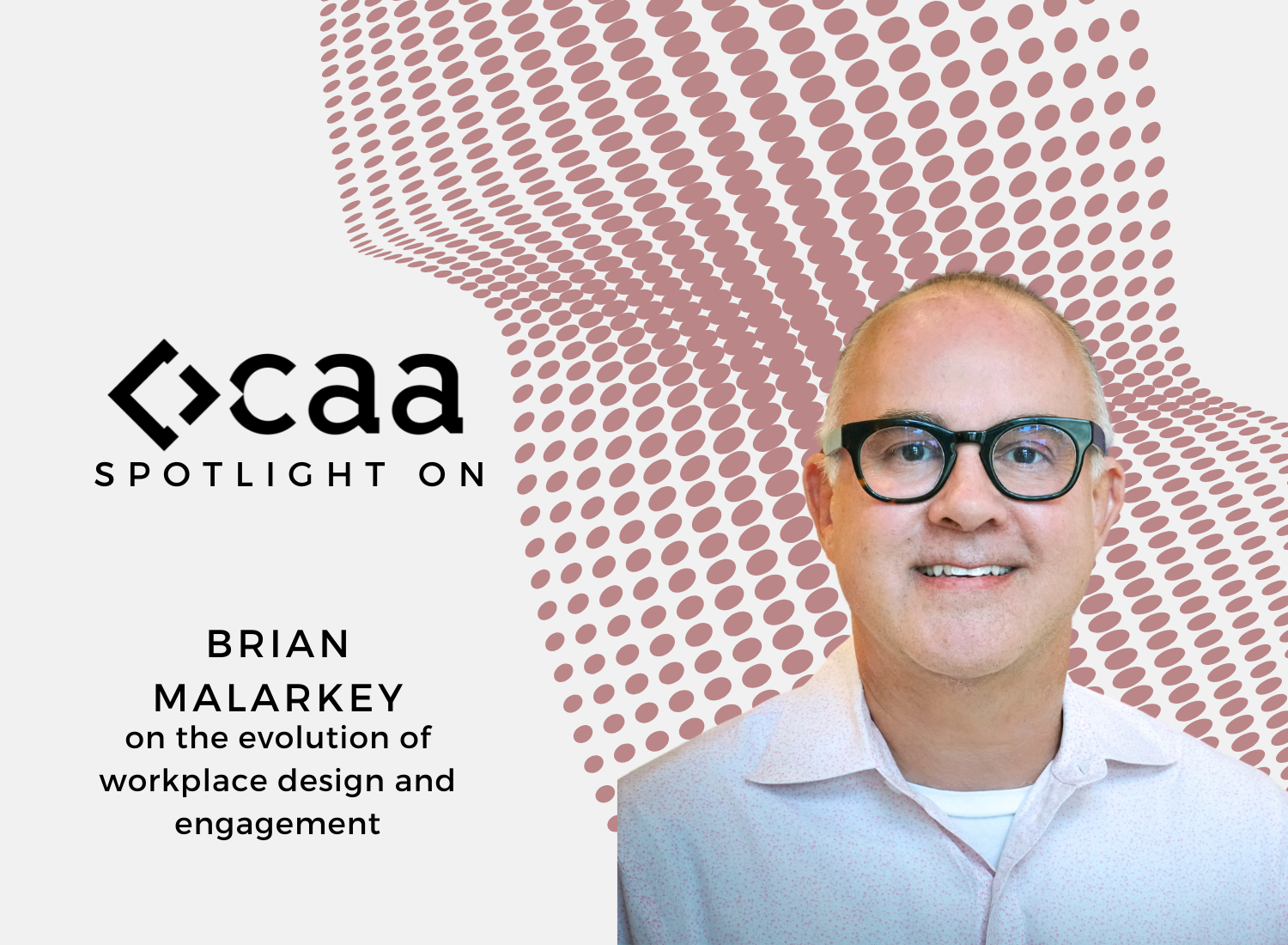
March 2025 — Invest: spoke with Brian Malarkey, partner and managing director of interior architecture of Kirksey Architecture, to discuss industry recognition and how that lends itself to client opportunities, the shift toward office environments that enhance engagement and flexibility, and major community-driven projects, including the Kids’ Meals facility expansion and the Houston Food Bank.
How do the Houston Business Journal Landmark Awards impact your firm’s reputation and future opportunities?
These awards are significant because they reach a broad audience, not just our architectural peers. Our clients see them, either at the Landmark Awards event or in the respective publications. In fact, at one of these events, a potential client approached me and said, “You guys won two awards; you must be doing something right. We’d like to talk to you about our project.” So there’s a direct impact in terms of new opportunities. There’s also an indirect impact — every time our name appears in a broader industry-related platform like the Landmark Awards, it reinforces our presence in the market, and it’s not just recognition for us, it’s also recognition for our clients. When we win an award, it highlights the success of the organizations we design for. That kind of visibility benefits everyone involved.
What are some major milestones or standout projects from the past year?
A big milestone was completing the corporate headquarters campus for Bechtel’s energy division in Houston. It’s a massive multi-floor project that has had a significant economic impact, particularly in the Energy Corridor. We’re also currently working on three additional large corporate campuses, one of which will be completed this year.
The real estate market has been active with these larger projects. There was a lot of pent-up demand after the pandemic — many companies extended their leases but knew they had to make a big move eventually. That’s what we’ve been seeing in 2024, and we expect it to continue into 2025.
Why is Houston an ideal market for your firm?
Houston’s diversity makes it an exciting place to work. The corporate environment here includes many multinational companies with headquarters in the city, creating a level of sophistication that you might not find in some other markets. It brings a lot of opportunities.
How are rising construction costs affecting client decision-making?
One trend we’ve seen, especially in high-end corporate interiors, is a significant increase in spending. A major reason for this is the shift in workplace culture. Most companies have settled into some form of hybrid work, so leadership is focused on making the office a destination — somewhere employees want to be.
That means more investment in amenities: better collaboration spaces, improved technology, wellness areas, and quiet zones for focused work. Companies are recognizing that office design is a critical part of their culture, and they’re willing to invest in spaces that support both productivity and engagement.
What trends are shaping architectural design in Houston?
Most of my focus is on corporate workplace trends, and one of the biggest challenges right now is improving the remote work experience. Technology has improved, but it still needs to be better—especially for conference equity, where remote employees feel as engaged as those in the room. Every company is struggling with that.
Beyond technology, the biggest trend is designing workplaces that support a variety of work styles. People aren’t doing the same thing all day, they need different environments for different tasks. Whether it’s collaboration, focused work, or casual interaction, the office has to provide an ecosystem of spaces that support all those needs.
How is the conversation around bringing people back to the office evolving?
There’s no one-size-fits-all solution. Every company is trying to figure out the right balance — how to make the office a place people want to be while still allowing flexibility. It’s something we hear in nearly every conversation we have.
How is workplace culture shifting in response to hybrid work?
In our firm, remote options are here to stay, but I think a lot of people assumed no one would ever want to return to the office. What we’re seeing now is a shift as many employees are realizing they miss in-person collaboration. Building relationships with colleagues adds value to the work experience.
I don’t think we’ll ever go back to a 100% in-office model, but the idea that everyone wants to work from home all the time doesn’t seem to be true either. There’s a growing recognition that being together — at least part of the time — helps build community and makes work more engaging.
What sectors are driving demand for your services, and where are you focusing future growth?
The advantage of having a diverse portfolio is that when some markets slow down, others pick up, creating a natural balance that keeps us steady. When every sector is thriving at the same time, it’s a fantastic year. But even when certain markets outperform others, our diversity helps us navigate economic shifts more effectively than firms that specialize in just one area.
How is Texas’ economy impacting business, especially with a new administration taking office?
Houston thrives on its diversity — industries, people, perspectives. In the conversations we have with clients, politics doesn’t really come into play. The focus is on getting things done, growing businesses, and creating opportunities. That’s what keeps Houston resilient.
How is the competitive labor market affecting your firm’s ability to attract and retain top talent?
The bigger labor challenge now is on the construction side. While the shortages aren’t as severe as they were in previous years, contractors are still struggling to find enough skilled labor. That’s keeping construction costs high. And it’s not just about workers on-site, it’s also affecting materials, especially those sourced from other regions. While things have improved, we expect labor pressures to continue influencing project costs throughout the year.
How is technology, particularly AI, shaping your design processes and improving efficiency?
One of the biggest innovations we’ve integrated into every project is 3D modeling. In corporate interiors, for example, we model everything — furniture, fabrics, finishes — so clients can visualize the space with complete accuracy. There’s no guesswork. It’s part of our standard design process, and it’s something contractors appreciate as well because it gives them a clear understanding of what they’re building. Over the past five years, we’ve refined this approach, and now we can’t imagine working without it. Not all firms provide this level of modeling as part of their base services, so it’s a real competitive advantage for us.
But beyond visualization, we’re also focused on how we can better use the data we generate. It’s not just about having data, it’s about structuring it in a way that allows us to extract meaningful insights. If we can analyze information instantly with technology, it can dramatically improve our design decisions, project efficiency, and even our internal operations. We’re actively working on optimizing how we capture, store, and use this data so it becomes a strategic tool rather than just raw information sitting in our system.
What are your top priorities for the next two to three years, and how will you ensure the firm remains a leader in the industry?
Stability is also a key focus. We’ve experienced rapid growth, and now we’re working on strengthening our internal operations to support that expansion. Last year, we hired our first-ever COO to help streamline our processes, and that’s going to be a major driver for us moving forward.
We don’t view growth as just getting bigger, we see it as growth in expertise, sophistication, and knowledge. By focusing on improving our culture, refining our workflows, and producing even better project outcomes, we believe that organic growth will follow. Our goal is to continuously evolve, not just in scale, but in the quality and impact of the work we deliver.
For more information, please visit:





