Spotlight On: Keith James, Mayor, City of West Palm Beach
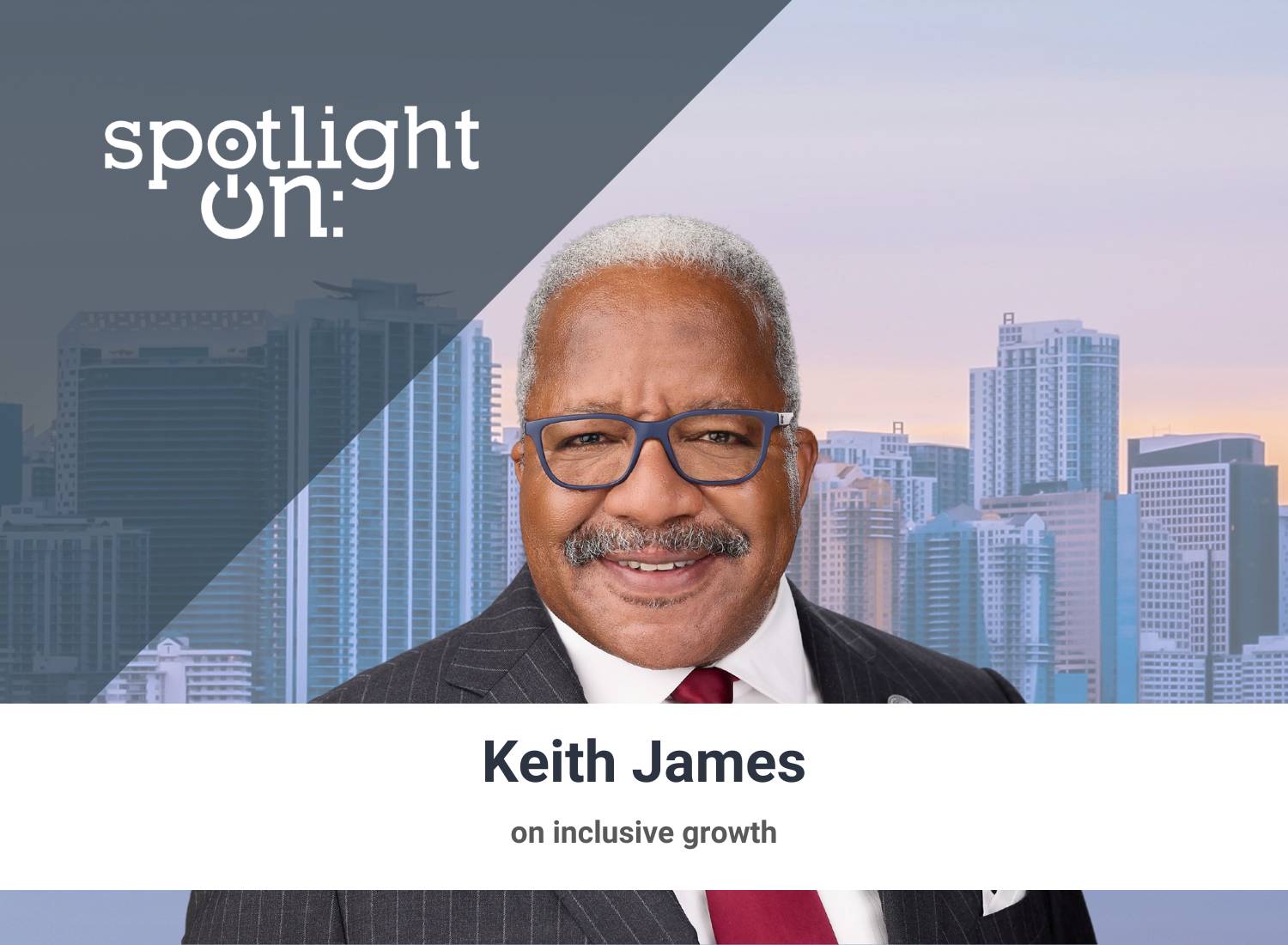 October 2025 — In an interview with Invest:, West Palm Beach Mayor Keith James discussed the city’s approach to balanced growth, housing affordability, and technological innovation. “My North Star has always been and will continue to be inclusive growth,” James stated, emphasizing initiatives to ensure development benefits all residents while maintaining the city’s character. The conversation covered public safety improvements, infrastructure upgrades, and emerging transportation solutions like autonomous vehicles.
What has your office focused the most energy on?
My North Star is inclusive growth, ensuring the transformative growth in West Palm Beach benefits the entire city, making it a community of opportunity for all. A key issue, due to this growth, is the affordability of housing. We must ensure nurses, school teachers, secretaries, and restaurant and entertainment workers can afford to live in or near West Palm Beach.
What measures are being taken to expand workforce housing?
As a city, we have adopted certain incentives in our ordinances and resolutions for developers. It’s a variation of the Live Local program the state put forth, but we think we have a better, more customized approach. If a developer wants increased density in certain parts of our city, they’re obligated to provide a certain percentage of new units as workforce or affordable housing. We negotiate the percentages of area median income (AMI) on a case-by-case basis. The framework is established in city ordinances. Developers come to us and we begin negotiations.
It’s important to me, and I make this clear to staff, that designated workforce housing units must be identical to market-rate units. We don’t want substandard quality or segregated existence in buildings. Units must be on the same floors, intermixed with market-rate units. We insist on this while staying as creative as possible. In some cases, we may provide tax abatement incentives to developers and work with them to increase the number of available units.
How are public-private partnerships driving new opportunities in West Palm Beach?
We have money set aside for grants and are finalizing a tax abatement program outside the community redevelopment agency (CRA). The CRA can use tax increment financing (TIF), but for non-CRA areas whether on the north end or south end we see growth potential, and these areas need incentive structures like tax abatements to encourage development, which we evaluate on a case-by-case basis.
As a city, we’re open for business and willing to have creative conversations about incentives. Regarding the three P’s in public-private partnership, there’s an additional P we’re seeing — philanthropy. Private philanthropy has become a funding source, evident in our newest affordable housing projects. More nonprofits are entering workforce housing development, and savvy developers are utilizing this. It’s not just public-private partnership — we’re engaging the philanthropic community in this effort too.
What initiatives are being implemented to improve public safety in West Palm Beach?
Public safety is a mayor’s top priority, as beautiful buildings won’t attract tenants without a safe reputation. Last year I changed police department leadership to better meet our mission of professional, community-driven service.
Despite downward trends in crime, especially violent crime, we must remain vigilant, with leadership feeling daily pressure to maintain safety. In 2018, West Palm Beach averaged 18 homicides annually over the prior three years — most unresolved, ranking us among South Florida’s Top 10 murder capitals per capita, which was unacceptable.
We’ve addressed this through new methodologies and programs. Equally important is the law enforcement-community relationship, ensuring residents see officers as allies through intentional outreach. Every neighborhood deserves safety, regardless of zip code.
How is West Palm Beach exploring or leveraging new technologies like AI?
I have staff members researching how comparable municipalities are using AI. We’re new to this and I’m not afraid to adopt good ideas from others. They’re studying best practices nationwide. I recently had a Zoom call with an AI vendor serving municipal governments that is proposing a pilot program for West Palm Beach. We’re slowly entering the AI space, but I don’t want to rush. I prefer learning from other cities’ experiences first rather than being the first adopter. We need proven best practices. We’re exploring how AI can make our city more productive and efficient through these efforts.
West Palm Beach just won the 2025 TripAdvisor Traveler’s Choice Award. What do you attribute this success to, and what makes the city such an attractive destination?
The weather is a major attraction in West Palm Beach. Visitors and residents discover our “secret sauce” — a sophisticated city with a small-town feel. We offer diverse attractions and entertainment, easy airport access, and the Brightline for regional reach. Quality of life stands out with our food and cultural scenes, waterfront public spaces, CityPlace, golf courses, pickleball courts, and museums, catering to dining, culture, or activities. The city’s simple navigation and accessibility enhance its unique appeal.
How is West Palm Beach balancing economic growth with maintaining quality of life and the city’s identity?
It’s a hard balance, but we must be intentional about it. We don’t want growth just for growth’s sake. Growth is great for the tax base, but we need to be smart. Certain areas of our city need more attention — like our north end, which hasn’t seen new residential or commercial projects in over a decade. Today we are seeing pioneering developers building luxury condos there. Projects like Nora will bring high-end retail, a hotel, residences, and workforce housing.
As developers propose projects, we suggest tweaks to fit each neighborhood’s needs. We focus on walkability, pedestrian experience, and multiple transportation options to avoid being car-centric. Growth brings traffic, but we’re exploring ways to move people — not just cars — more efficiently. This addresses one of growth’s biggest headaches.
The key is intentional, smart growth — aware of downsides like traffic strain and infrastructure demands. We’re not chasing rapid growth, but the right growth.
What projects, expansions, or revitalization efforts are underway or in planning for the city?
We’re a city over 125 years old, which means our underground pipes constantly need updates. We work with consultants who assess our infrastructure and identify priority areas needing attention. A consultant evaluates our roads every five years, providing condition reports with a grading system. While we receive resident complaints about potholes, we focus first on the most severe issues using this data.
We constantly monitor both above-ground and underground infrastructure to stay proactive rather than reactive. Through technology and expert assessments, we address the most critical needs systematically — not just responding to individual complaints. This comprehensive, strategic approach guides our infrastructure investments.
Are there any new amenities or services the city plans to introduce to enhance residents’ quality of life?
We’re focused on moving people, not cars. We’re experimenting with autonomous vehicles and electric shuttles in our downtown area. As downtown grows with more commercial buildings and workers, we need innovative mobility options so people don’t have to return to their cars for meetings across downtown. The goal is to provide alternatives on fixed routes after people park at their primary office.
With more people comes more traffic, so we’re developing solutions to prevent gridlock. We’re in talks with tech companies — one major company will announce plans soon, marking West Palm Beach’s emergence as a tech hub, complementing our financial services and tourism sectors. Developments include Vanderbilt University’s graduate campus and Cleveland Clinic’s downtown campus, which will bring new energy to our city.
Want more? Read the Invest: Palm Beach report.