


Spotlight On: Melissa Meeker, CEO, The Water Tower
Key points:
- • The Water Tower is helping utilities adopt new technologies and strengthen workforce pipelines.
- • AI and predictive analytics are making water systems more proactive and resilient.
- • Melissa Meeker sees major potential for water innovation and investment in metro Atlanta.
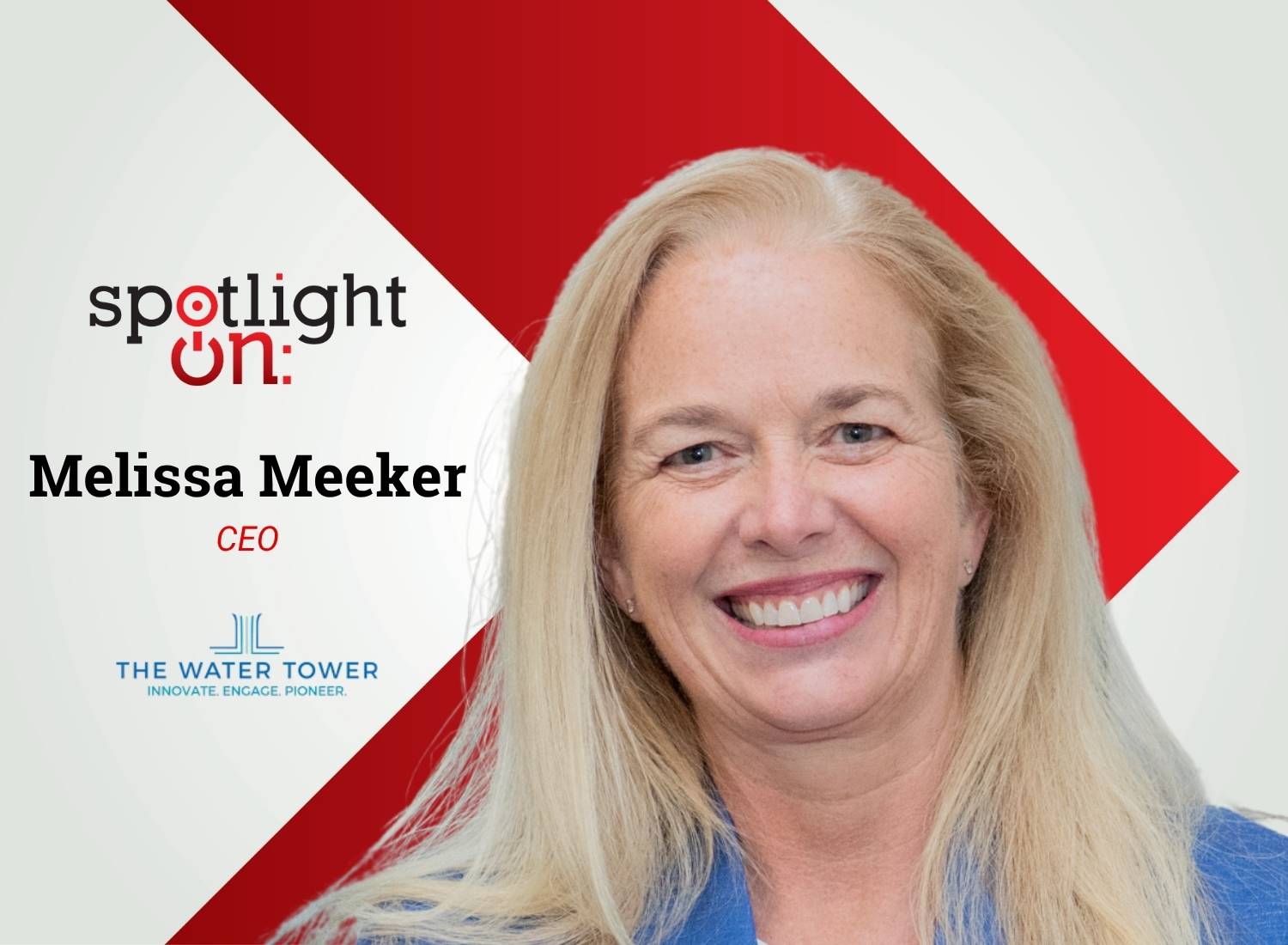 June 2026 — In an interview with Focus:, Melissa Meeker, CEO of The Water Tower, discussed water innovation, workforce development, and the opportunity to strengthen metro Atlanta’s water ecosystem. “If we could develop a larger innovation investment culture in metro Atlanta, we could really lift up startup companies and help solve critical issues in the water world, while also creating economic development,” Meeker said.
Join us at caa’s upcoming leadership summits! These premier events bring together hundreds of public and private sector leaders to discuss the challenges and opportunities for businesses and investors. Find the next summit in a city near you!
What changes over the past year have had the greatest influence on The Water Tower’s priorities and the needs of the water sector?
One of the cool things about the water industry is that it is an essential service. It does not matter what is happening in the economy, what the stock market is doing, or what the administration is doing. We have a duty to provide clean drinking water and treat wastewater, so things are pretty constant. For our campus, I have seen an uptick in people requesting office space with us. The first floor of our building is where we do our programming, workforce development, R&D, and lab work, while the second and third floors are private tenants. We have nine companies on campus.
Multiple companies have come forward asking whether we have space, whether we are going to build Building B, and how they can get on campus. I do not know if that means they are downsizing from somewhere else or if they want to be on a vibrant campus. I am going to go with the latter! It is a great trend and really exciting.
It should grow even more with the announcement that UCB has selected Rowen, in Gwinnett County, for its new manufacturing campus. That is a significant investment in the innovation corridor that is growing in the county between Peachtree Corners, Rowen, and The Water Tower.
As utilities face growing pressure, what are the most important issues shaping water infrastructure today, and how are you tackling them?
Our focus is on exposing utilities and businesses to innovative technologies and processes. Whether that’s done by showcasing startups that come out of Georgia Tech and other university systems, or shining a light on new products or services from established companies, we strive to get that information to utilities. As our region faces worsening drought conditions, this is especially important — anything that can extend water resources is important.
We also spend a lot of time on workforce development because companies want to come where they will have a workforce pipeline. A lot of these jobs are in skilled trades. Our campus is peppered with hands-on training stations to learn those trades. Our programs have resulted in certified operators getting placed at utilities, water-related businesses, and manufacturers.
How are conversations around storms, cascading infrastructure risks, and resilience evolving?
We are seeing an industry that has traditionally been conservative and siloed start branching out and talking more to the power industry and natural resources people on the utility side.
There has also been state legislative action on water quality in Lake Lanier, which is critical to the utilities around the lake and downstream. We are seeing a more pointed focus on water quality, which is essential.
It is about having those cross-industry conversations. Getting the interest of decision-makers is 90% of the battle. Once we all get to the table, we can solve anything.
Where are you seeing the strongest practical use cases for tools such as AI and predictive analytics?
What we are seeing in the water industry is the ability to harness AI to focus more on predictive analytics and getting ahead of a crisis. That means not waiting for a pipe to burst or a pump to fail and then disrupt services. It is about using the data we have and putting AI software on top of it to catch minute changes that may indicate a failure is coming. Rather than being responsive, we can be more proactive.
How is The Water Tower helping move innovation into real-world adoption?
The original intent of The Water Tower was to highlight innovative technologies for two purposes. One was to get utility workers to see the benefits that can come from modifying the “way we’ve always done things” by incorporating innovative technologies.
The second was to attract the next generation of water workers. They were born with a cellphone in their hand. They are comfortable with technology, and it makes water exciting when you have these tools and are actually able to use the data generated throughout the entire system.
Given the focus on AI and smart technologies, there is a real opportunity to draw people from other industries to water. Where sectors may be seeing layoffs due to AI advances, water could be an option because water involves SCADA systems and smart sensors, leading to a ton of data, and because of this, cyber risks. Water will always require the human component, but we will benefit from AI advancement. As a result, we are seeing cross-industry recruitment and hiring.
What skills will be most important for the next generation of operators and industry leaders?
We’ve already talked about NextGen being at ease with technology.
A lot of utilities and companies are creating closed AI tools themselves or having consultants develop them — older utility workers traditionally do not have the skills required to create these types of tools. If next-generation operators have these skills, it puts the utility at an advantage.
It will also help with protecting sensitive information and alleviating cybersecurity concerns if you are able to do some of that work in-house. There is a benefit to utilities when they can safely develop tools that create efficiencies.
How has your workforce training program progressed?
We have trained about 125 people from throughout metro Atlanta. The success rate of them getting full-time jobs is amazing. Some people we trained as operators did not go to a utility, but some are water-adjacent in manufacturing facilities that are related.
What I love about the way our program has developed is that we are focused on resilient communities. Beyond utilities, county commissioners and city councils are concerned about the health and stability of their communities, and a steady job often helps address those concerns.
Our recruitment targets are generally underserved populations, including first-time nonviolent offenders, forgotten youth, and people who just need a helping hand. Getting them trained and into real jobs where they can sustain their families is our goal and complements what local leaders want to see.
What are your top priorities for expanding The Water Tower’s impact?
A big focus right now is on data centers. The advancements that have already taken place on the water side are huge in terms of water conservation, cooling methodologies, and other approaches. We would love to be involved in research to further push innovative solutions.
The same is true with waste-to-energy efforts, including restaurant waste and other opportunities. If we can create an energy source by using something that otherwise would go to a landfill, the overall results are positive for communities.
I also think the attention right now on Rowen is going to spread to other pockets of innovation. The Water Tower has outparcels that are ready to be developed by water-related businesses and manufacturers, and we are excited to help market the region for economic development. As an added benefit, we can supply their workforce because we have a pipeline right here, ready to go.
Where do you see the greatest opportunity to strengthen water innovation over the long term?
One area where we have seen a gap is in the development of a technology before it gets to commercialization. There are pieces of funding and different types of investors that help companies along the way, but there are pretty big gaps where technologies can die. We have been involved in some really cool R&D projects that show a lot of promise, but then the company isn’t able to secure the funding to get to the next step.
If we could develop a larger innovation investment culture in metro Atlanta, we could really lift up startup companies and help solve critical issues in the water world, while also creating economic development. The universities we have are amazing, and they are spinning out some really cutting-edge technologies. We just have to continue to create the ecosystem to support them.
Is there anything else you would like to highlight?
In April, we had our fifth Demo Day, which is really like a big technology expo. We had more registrants than we have ever had, with over 400 attendees from over 100 organizations. That included utilities, private companies, manufacturers, and engineering firms, all here on campus. It was an amazing opportunity to interact, and we’ve seen people walk away with real connections that lead to sales. If we can continue to provide opportunities like Demo Day, the industry and the region will benefit.
Want more? Read the Focus: Atlanta report.






