Spotlight On: Angie Eger, Owner, TRE Construction
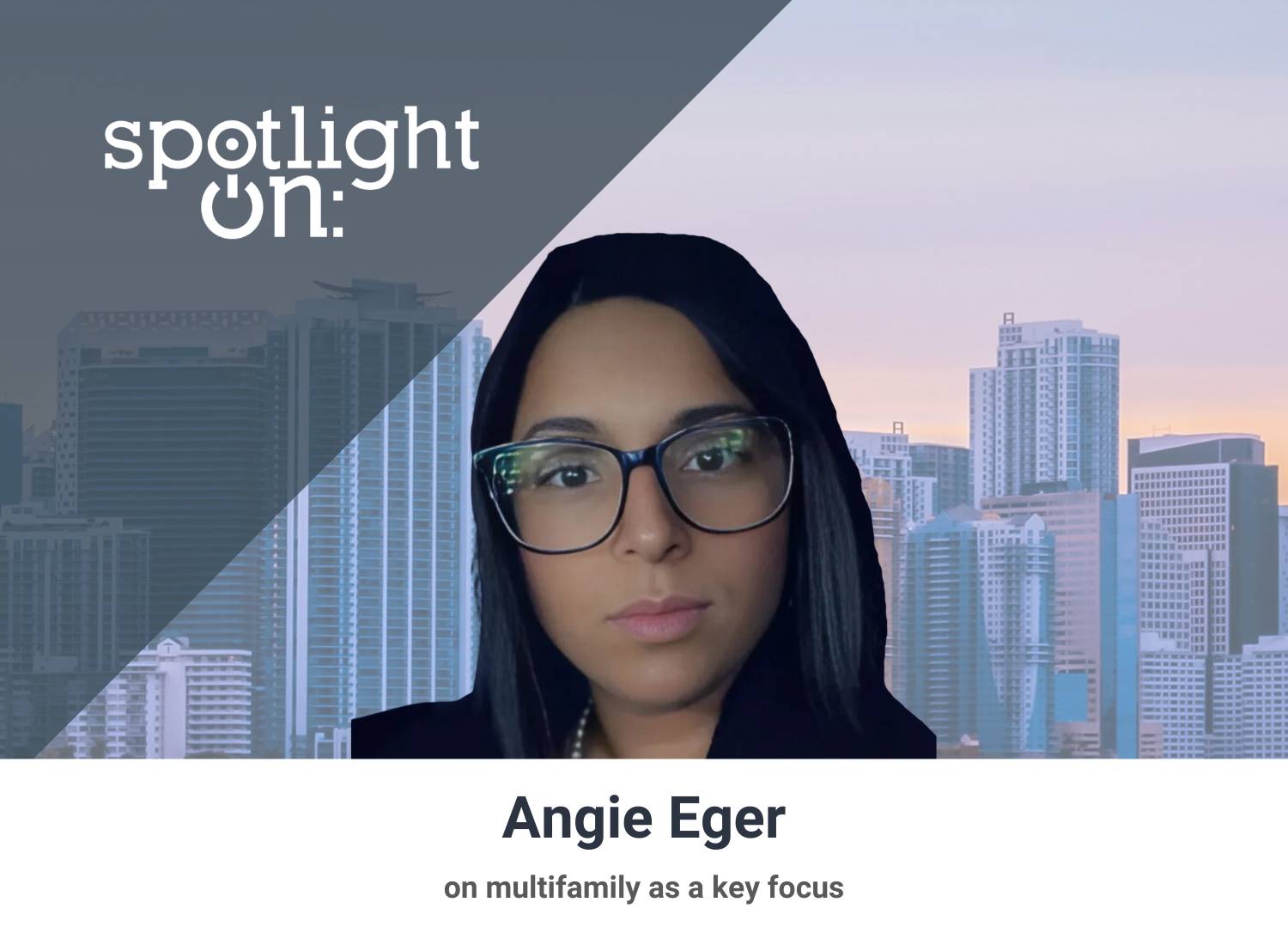 October 2025 — In an interview with Invest:, Angie Eger, owner of TRE Construction, said that strategic growth, talent development, and diversification have been key drivers of the company’s rapid success. “We went from just the two of us working out of our home office to a team of eight in the office and around 75 in the field,” said Eger.
What developments over the past year have impacted TRE Construction, and how have they shaped your business?
From an economic standpoint, the multifamily sector has had a big impact. We’ve completed several of those types of projects, and we’ve expanded significantly. We went from just two of us working out of our home office to a team of eight in the office and around 75 in the field. We’re a commercial union contractor and signatory with both the Carpenters Union and the Drywall Finishers Union.
In our first year, we hit about $2 million in revenue. Last year, that grew to $5.8 million, and this year we’re on track to reach $10 million. Because of this rapid growth and the opportunities we’ve taken on, we’ve had to strengthen our internal operations, building out the right field crews and hiring the right office staff. We’ve established departments for estimating, project management, business administration, and field operations. It’s been a lot of moving parts, but all necessary as we scale.
Additionally, we’re now doing more owner-direct work. We’ve been selected as an authorized builder for the Western Pennsylvania region by Federal Steel Systems to construct pre-engineered steel buildings, where we act as the general contractor.
In the past year, we’ve also branched into other service areas, including doors, frames, hardware, and commercial siding. We’re partnering with suppliers to become one of their key installers. This is especially valuable for our multifamily projects in Pittsburgh, which are often prevailing wage and union-required.
Recently, we completed two buildings in Oakland and continue to diversify while also focusing on specialized niche services that set us apart from the competition.
What factors have contributed to recent recognition and growth?
Being ranked was a big honor. I believe we were recognized in more than one category in the Pittsburgh Business Times. We’re very opportunity-driven, but we also know we have to bid on the right jobs and be extremely strategic so we can maintain sustainable, long-term growth.
We’re now competing with mid-sized subcontractors and even some of the top players in the region, companies that have been around for 75 to 80 years. One of our biggest priorities is making sure we have the right people in the right roles, both in the field and in the office, to keep growing successfully. What worked in 2023 won’t necessarily work in 2024 or 2025. Each stage of growth requires a new strategy.
How are you attracting and retaining skilled talent in Pittsburgh’s construction market?
Hiring for the office side has been a bit easier except when it comes to estimators. For that role, most of our hires have come through word-of-mouth, from either current employees or industry partners. Luckily, the right people were looking at the right time.
Estimating and project management were the two hardest departments to staff. While posting jobs online can help, what really made a difference was partnering with the Master Builders Association and the unions. The Carpenters Union, in particular, has been a core partner since day one and played a huge role in our success.
Also, my husband, who’s a co-owner, spent 15 years in the Carpenters Union and worked as a superintendent for the last eight. That gave us an advantage when it came to building strong field crews. He understands construction and has deep relationships with people in the field.
We let prospective hires know: we’re growing, and there’s a real career path here. A lot of companies stick you in one role and leave you there for years. We focus on career development, both through the union and internally, to help employees grow into roles like foreman or superintendent.
That mindset comes from our own backgrounds. I was an HR leader for 15 years and started my career at 19. I worked for large corporations and benefited from strong career development. The same goes for my husband. We know firsthand how important it is. If you invest in your people, the company grows stronger. That’s why we always say: teamwork makes the dream work. And if the company does well, so do the people in it.
What trends are you paying the most attention to, and how are you adapting?
Definitely multifamily continues to be a key focus. We follow what’s happening locally through sources like DevelopingPittsburgh and BreakingGround. Data centers are also expected to become a bigger opportunity in our region.
We’ve built our strategy around services that our competitors aren’t offering, finding niche areas we can dominate. This includes commercial work, healthcare, and federal contracts.
We’re WBE-certified, which has opened doors for us in federal work. For example, we completed a major nine-month project with the Naval Academy in the Washington D.C. area. While that wasn’t local, it was a huge success. Federal opportunities are also emerging here, and we’re ready to pursue them.
Healthcare is another big one. We’re currently working on UPMC Presbyterian Hospital in Oakland. We’ve also had success with schools like Carnegie Mellon University and the University of Pittsburgh, and even hospitality projects. For example, we worked at Nemacolin Resort for two years in a row on $1 million projects during our early years.
We’re also eyeing real estate-driven work like commercial siding for multifamily buildings, as I mentioned earlier. Other growth areas are upcoming data centers, power plants, and industries that we have already been working in.
But above all, what drives our business is delivering high-quality work and excellent client service. Our WBE certification is valuable, but we win jobs by proving our capabilities and staying adaptable to changing trends.
What are the biggest challenges you face as a young construction company, and where do you see the most opportunity?
The biggest challenge in commercial construction is cash flow as it takes a long time to get paid. Our payroll alone is around $100,000 per week. On top of that, we pay union fringe benefits and regular overhead, and we front all the materials on jobs. Suppliers expect payment in 30 to 45 days, but we often don’t get paid for 60 to 90 days. Some clients pay sooner, but not all.
When we started, banks didn’t want to work with us. We launched with a $100,000 business loan and tried to avoid large debt. Now we have a sizable business line of credit, but it took time to build that.
Even if you generate $10 million in revenue, profit margins in this industry are typically only 3% to 8% after overhead. That’s why choosing the right clients is so important — clients who will pay on time and allow us to sustain growth.
These challenges were especially tough in the beginning and will likely continue to show up in different ways as we grow. But some things have become easier: if your financials are strong and you deliver quality work, you get repeat business. You don’t have to hustle as hard to build brand awareness. Your relationship with your bank strengthens, and you build trust with accountants and other partners.
Now that we’re stabilizing at the $10 million to $12 million mark, our next step is planning for the next level. Our goal is to become a leading name in commercial interiors in Western PA and to keep growing in West Virginia, Washington D.C., and in other exterior markets we’ve entered. There will always be challenges, but often, those challenges become new opportunities.
How do you engage with the community, and why is that important to TRE?
Community is a huge part of our mission. We didn’t start TRE just to become wealthy, although yes, we did want to improve our lives. But our deeper goal is to make an impact. That includes our clients, our employees, and the communities where we build.
When we work on multifamily projects, we’re providing high-quality housing. When we do an office fit-out, we’re creating workspaces for businesses. Even though the demand for office space dipped post-COVID, it’s slowly picking up again.
Pittsburgh is a tight-knit city. A lot of people know each other, and word travels fast. We believe in giving back, whether it’s through sponsorships or partnerships, even with organizations we haven’t worked with directly.
The community is also important because not everyone understands what we’re building or why it matters. By aligning ourselves with people and organizations who do understand, we build stronger relationships — and in turn, a stronger company.
What are TRE’s top goals and priorities over the next two to three years?
Our focus is on continuing to build strong crews in the field and growing our internal team with the right talent. We’re currently working on standard operating procedures (SOPs) to create structure and consistency, which will allow us to take on larger jobs.
When we started, most of our projects were in the $250,000 to $500,000 range. Now, in the next two to three years, our goal is to grow to around $18 million to $20 million in revenue. That will require more talent, additional internal support, and continued diversification into our niche service offerings.
We don’t claim to do everything. We focus on the services we do well and deliver top-quality work. We’re also looking to expand our owner-direct work, rather than only working for general contractors.
Yes, there will be hurdles, but we’re also confident that more doors will open, especially with federal work in DC and new opportunities here locally. Our ultimate goal is to be one of the most well-known commercial interior subcontractors in Western PA, while continuing to grow in our other service areas.
Want more? Read the Invest: Pittsburgh report.