
Debate intensifies over eliminating Florida property taxes

Key points:
- • Florida lawmakers are debating eliminating property taxes on primary homes, but no clear plan exists yet.
- • Local leaders warn property tax cuts could impact funding for police, fire, schools, and infrastructure.
- • While homeowners could benefit, public opinion and political support remain divided.
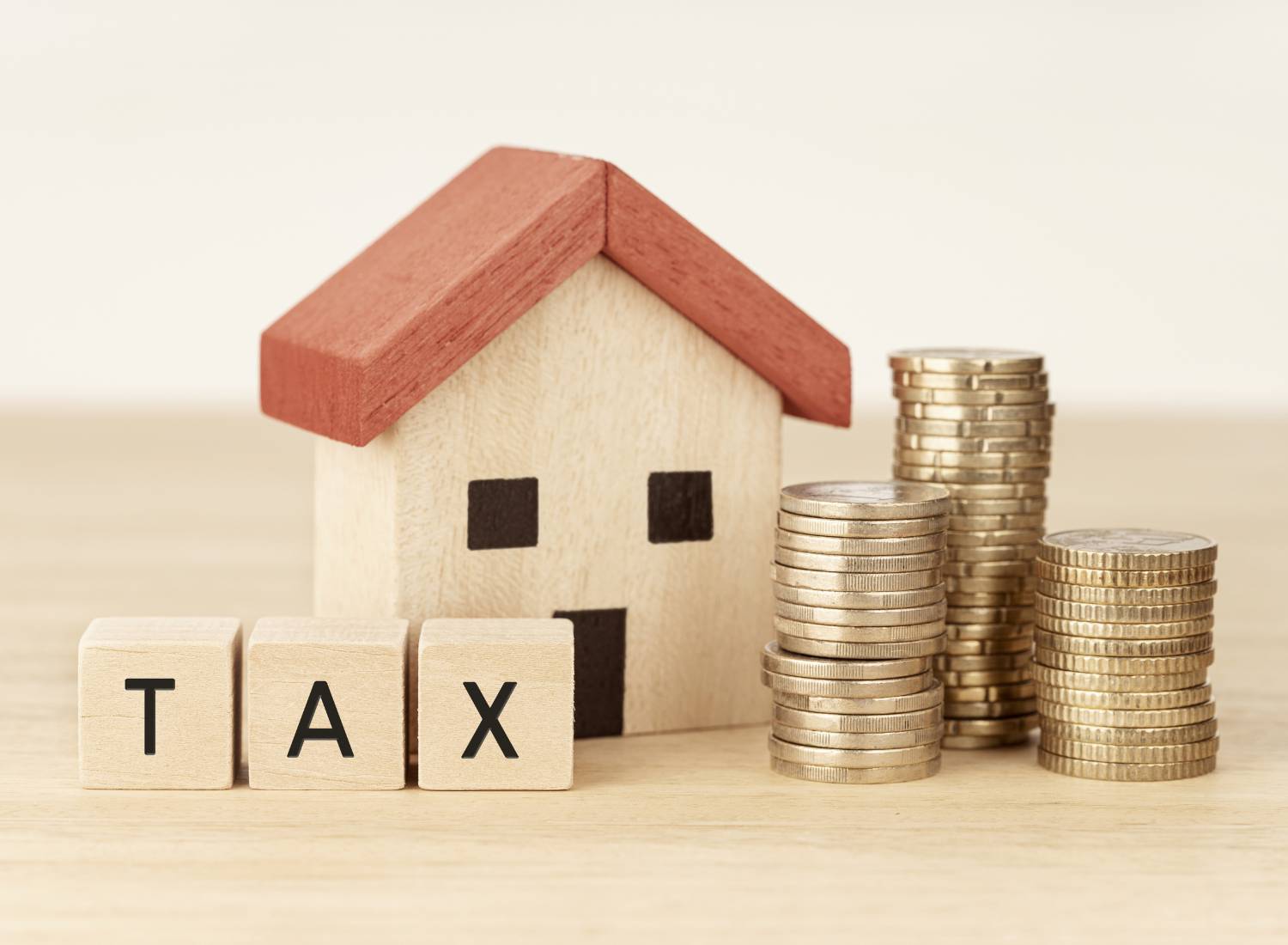 May 2026 — The idea of eliminating Florida property taxes has gained significant attention in recent months, driven largely by statements from Ron DeSantis and ongoing discussions among lawmakers. While the proposal is still in its early stages, it reflects a broader debate about taxation, economic growth, and government funding in the state.
Join us at the Invest: Greater Fort Lauderdale 8th Edition Leadership Summit! This premier event brings together hundreds of Greater Fort Lauderdale’s business and regional leaders to discuss the challenges and opportunities for businesses and investors. Buy your ticket now!
DeSantis has suggested a plan that would eliminate property taxes on primary residences while maintaining them for commercial and investment properties. This distinction is important because it targets relief toward full-time residents rather than investors or part-time homeowners. Florida is already considered highly tax-friendly due to its lack of a state income tax, which has attracted residents from high-tax states, such as New York and California. Removing property taxes altogether could further enhance that appeal, potentially saving homeowners thousands of dollars each year.
However, the proposal raises significant concerns about how essential public services would be funded. Property taxes currently serve as a cornerstone of local government revenue, supporting schools, emergency services, infrastructure and community programs. Eliminating this funding source would create a substantial revenue gap, likely requiring alternatives, such as increased sales taxes or new fees. These trade-offs are central to the ongoing debate.
“We must talk candidly about how cities pay for services. There is a growing statewide discussion about property taxes, and people need to understand what those dollars fund and what is at stake. Property taxes provide for direct services in cities, including police, fire and EMS, and revenue reductions can impact response times and quality of life,” said Joy Cooper, mayor of the City of Hallandale Beach, in an interview with Invest: Greater Fort Lauderdale.
Additional policy details are beginning to emerge through legislative proposals. For example, the Florida Senate’s House Bill HJR 201: Elimination of Non-school Property Tax for Homesteads would amend the state constitution to eliminate non-school property taxes on homestead properties while preserving school-related levies. The proposal also includes provisions to prevent reductions in funding for law enforcement and sets a potential effective date of January 1, 2027. This reflects a more targeted approach, focusing primarily on tax relief for primary residences rather than a complete elimination of all property taxes.
“One of the biggest issues we are watching is the state-level conversation about tax reform, including proposals that could affect property taxes on homesteaded properties. Depending on how those proposals are structured, they could significantly impact municipal revenues and our ability to fund core services,” said Randy Knight, city manager of the City of Winter Park, in an interview with Invest: Greater Orlando.
Despite the attention, progress toward implementation has been limited. Recent updates show that there is still no concrete plan or timeline in place, even as discussions continue among state leaders. While DeSantis has floated the idea of a special legislative session, no date has been set and no unified proposal has been introduced. Multiple ideas are under consideration, including gradual phase-outs, expanded exemptions, and targeted relief for seniors and first-time homebuyers.
“Cities have to think carefully about long-term sustainability. Many residents do not realize that municipalities do not receive a share of sales tax. Our primary revenue sources are property taxes, utility taxes, franchise fees, and permits and licensing. Property taxes remain a major portion of the budget, and costs rise every year, from insurance and utilities to supplies and employee benefits. We are implementing long-term decisions intended to reduce reliance on property taxes and protect services over time,” said Christi Fraga, mayor of the City of Doral, in an interview with Invest: Miami.
Public opinion also appears divided. A recent poll found that 53.53% of respondents opposed eliminating property taxes, while 46.47% supported the idea. This split suggests that gaining the necessary support for such a significant policy shift may be challenging.
Any proposal to eliminate or significantly reduce property taxes would likely require a constitutional amendment. This means it must first secure approval from three-fifths of both legislative chambers and then receive at least 60% support from voters in a statewide referendum. DeSantis has also emphasized the need for similar legislative backing before placing the measure on the ballot.
Ultimately, while the concept of eliminating property taxes in Florida is appealing to many homeowners, it remains largely theoretical. The state faces complex trade-offs between tax relief and maintaining essential public services. Until a clear plan is developed and approved, the future of property tax reform in Florida remains uncertain.
Want more? Read the Invest: reports.