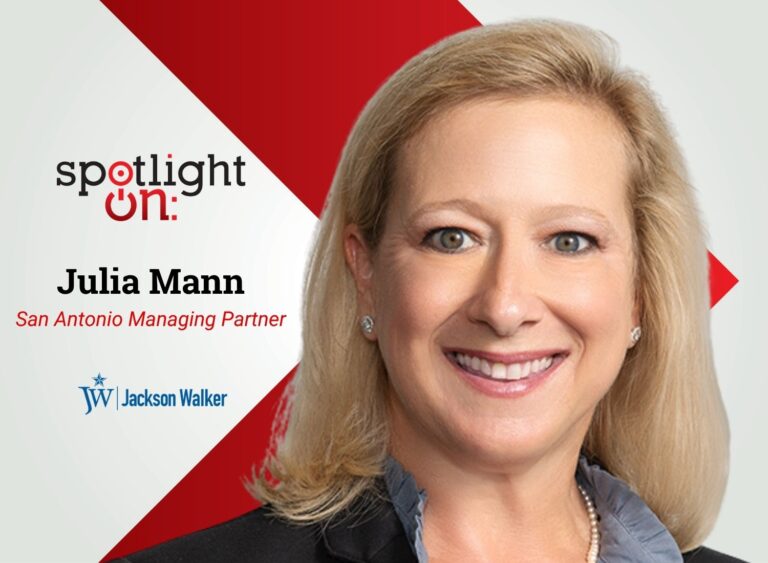
Spotlight On: Joy Cooper, Mayor, City of Hallandale Beach
Key points:
- • Streamlined permitting and infill strategy are driving strong investment in a built-out, high-demand market.
- • Major mixed-use, residential, and entertainment projects signal confidence and ongoing transformation.
- • Infrastructure, mobility, and resilience investments are central to long-term growth and quality of life.
 April 2026 — Invest: spoke with Joy Cooper, mayor of Hallandale Beach, about the city’s development and infrastructure investments, along with the long-term vision as it enters its second century. “For being a community that’s 100 years old, it is time,” Cooper said, pointing to a wave of infill projects and public investment reshaping the 4.4-square-mile city.
Join us at the Invest: Greater Fort Lauderdale 8th Edition Leadership Summit! This premier event brings together hundreds of Greater Fort Lauderdale’s business and regional leaders to discuss the challenges and opportunities for businesses and investors. Buy your ticket now!
How would you describe the economic and development climate in Hallandale Beach over the past year?
It was exciting and hot. Hallandale Beach is a city of about 41,000 residents, but we are very tourism-driven, with many part-time residents who come seasonally. Because much of the East Coast is built out, we positioned ourselves with the right tools in the toolbox to create a streamlined redevelopment and infill process.
Over the years, I have focused on making sure our processes reflect the reality that time is money. Land use and permitting processes in many places are cumbersome, and that uncertainty can discourage investment. We narrowed the window so projects can move from concept to permit construction in a more efficient way, while still protecting quality and compatibility. That approach has helped drive the infill activity we are seeing now.
What makes the city competitive for new investment?
Every city says it has everything, but we truly offer a unique mix in a very compact footprint. We have two casinos within 4.4 square miles, and they are minutes from both Fort Lauderdale and Miami. We are right off I-95, so access is simple, whether someone lives here full time or comes in seasonally. That location, paired with limited remaining land, keeps demand strong.
We also have a broad range of products. You can buy a brand-new beachfront condominium for well over $4 million, but you also have opportunities for redevelopment and infill that can add new housing and commercial space in the right places.
Shell Bay is one of our standout projects. With the partnership between PPG and Witkoff Group, a 100-unit luxury condominium has topped off, with an Auberge-branded hotel component planned. It includes an exclusive golf course, high-end amenities, and a major state of art Racquet Sports Complex. Along the coast, we have a residential beach with two vibrant public parks. North Beach boasts Etaru Restaurant, and a Beach Bar with lounge services. South Park has family recreational amenities. All this in four square miles ties the experiences together. Investors recognize that we are small, but we punch above our weight.
What does the current development pipeline tell you about investor confidence?
It shows strong confidence, particularly in infill. We have invested more than $55 million in our parks over recent years, and that was intentional. I wanted to create a clear signal that the city is investing in quality of life and asking the private sector to build those assets. We are seeing a lot of interest around our central park and other key nodes.
We also see activity along major corridors, including Federal Highway, where projects like Atlantic Village are helping bring a mix of retail office and condominium office into the market. We still have value in the land, and investors understand they can create a powerful sense of place in a built-out region.
There is also renewed investment around the Big Easy Casino property. Following a purchase of 12 plus acres from Jeff Soffer of Fontainebleau Development, Alejandro Chamberman who developed Atlantic Village is developing a master-planned community. There will be retail, multifamily residential, residential condominium and a first of its kind in South Florida, a luxury warehouse flex space that will serve as a recreational and storage hub for residents. For being in a community that’s 100 years old, it is exciting to see the legacy sites being revitalized.
Gulfstream Park under the leadership of Belinda Stronach is poised for changes with plans underway to update and build new amenities.
I pushed my vision to leverage all our public assets to create constructive interaction and revenue opportunities for our budget. We are preparing to release a P3 to redevelop our City Hall Complex.
What initiatives are supporting long-term business growth?
Our Community Redevelopment Agency has been a major tool, helping us use investment for affordable infill housing and corridor revitalization. I am concerned about shifts in how redevelopment is funded at the broader level, because those tools have mattered in real ways for cities like ours that need balance, not just luxury growth.
We have also been focused on what we call District 8, near the Brightline corridor. The vision is to create an entertainment hub with more restaurants, more walkability, and stronger local spending, so residents can live here and stay here.
We are already seeing momentum, including new restaurants such as Meat N’ Bone and Murano by Ferraro, which brings a Venetian flair, Dr. Ceviche and Verde to name a few. That is the kind of energy we want to build on.
Mobility is part of growth, too. We have a partnership with Uber that provides vouchers to encourage people to visit our beaches, restaurants and casinos, and we have evaluated other options like Circuit as well. We need to offer many alternatives. The goal is connectivity and choice, and there is an education curve with the public that requires consistency over time.
How are regional partnerships supporting mobility and economic growth?
Transportation is one of our key issues. As vice chair of the Broward Metropolitan Planning Organization, I have been keenly focused on solutions that move people efficiently in the place where we have reached roadway buildout. We have partnered with Broward County Transit and invested in a free, fully electric bus system that connects within the city and helps residents to reach regional destinations.
We have worked to reduce headways and improve reliability. We also partner in signalization so traffic can move better through key intersections. In parallel, we reduced parking requirements because parking is expensive, and we need development patterns that support fewer cars and more interconnection.
Our goal is to connect to nearby employment and healthcare hubs, including Aventura and regional hospital systems, and to align local transit with the broader network, including rail. If you plan it out, people can live, work, and visit without defaulting to a car for every trip.
How is the city addressing climate resilience and infrastructure?
Transit and flooding are the critical issues in South Florida, and we have been investing heavily in infrastructure. I like to call this year our year of sexy infrastructure, even though digging up streets is not glamorous. We are replacing water lines and sewer lines, and we are preparing to roll out our stormwater master plan, which will help us prioritize projects and identify the best partnerships to fund them.
If cities do not have plans, it impacts investor confidence and even our bonding capacity. We need a framework that supports development and redevelopment and shows how a city becomes a future-ready destination. We are not talking about retreating. We are talking about resiliency, preparation, and making sure the infrastructure is in place as we plan 20, 50, and 100 years out.
What are your top priorities over the next three years?
Infrastructure remains at the top of the list, but we also must talk candidly about how cities pay for services. There is a growing statewide discussion about property taxes, and people need to understand what those dollars fund and what is at stake. Property taxes provide for direct services in cities, including police, fire and EMS, and revenue reductions can impact response times and quality of life.
People also take for granted water, stormwater, and wastewater systems. Those services cost money; we know nothing is free, and they will need to pay for it. This may be through fees that can be regressive. We need honest conversations about levels of service, and the value residents expect.
We are investing in quality-of-life projects. One initiative I am excited about is an effort to build a trail network that connects all 15 of our parks with walking and biking links. Construction is always inconvenient and a bit dusty, but when it is done, it positions the city for the next century.
Is there anything else investors should know about Hallandale Beach?
We have put the proper tools in the toolbox to make investment streamlined and predictable. Our infrastructure framework, regulations, and guideposts are in place, and our staff is poised to help investors navigate the process.
If someone wants to come here, invest their hard-earned dollars and help create a stronger sense of place. We are welcoming that investment, and we are committed to making sure growth aligns with long-term resilience and livability.
Want more? Read the Invest: Greater Fort Lauderdale report.