
Spotlight On: Steven Fuller, CEO, Army Residence Community
Key points:
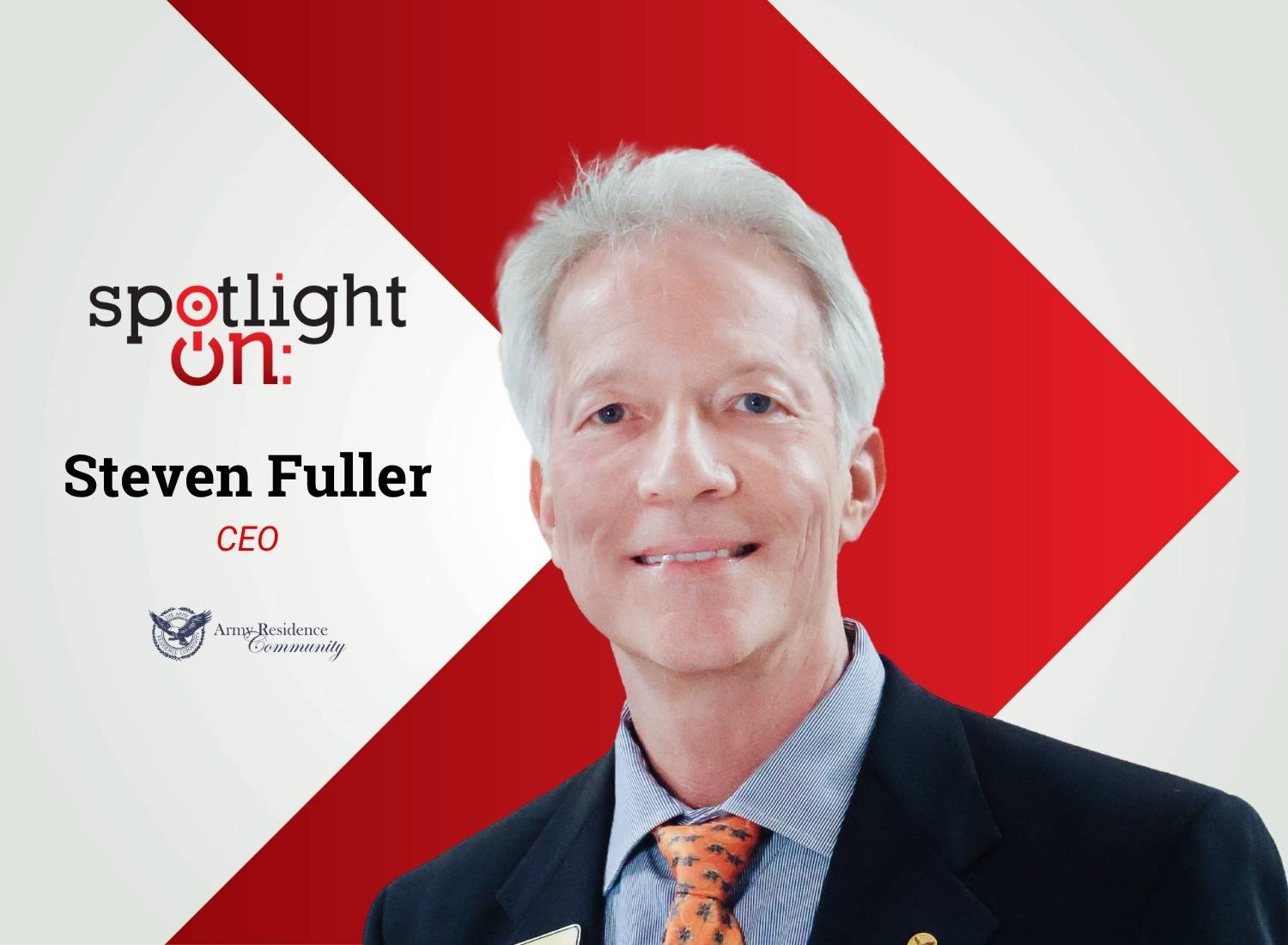 June 2026 — Invest: spoke with Steven Fuller, CEO of Army Residence Community (ARC), about evolving senior living trends, workforce challenges, and ARC’s investments in wellness, technology, and long-term growth. “People want to be heard, recognized, and appreciated. We can’t overlook that,” Fuller said.
Join us at caa’s upcoming leadership summits! These premier events bring together hundreds of public and private sector leaders to discuss the challenges and opportunities for businesses and investors. Find the next summit in a city near you!
How would you describe the environment for senior living operations in San Antonio?
It is a dynamic but exciting time for senior living. The market is strong because of the aging baby boomer population, although there is also a lot of competition and many choices for how people want to spend their retirement years.
At Army Residence Community, we are the largest single-site retirement community in Texas, with more than 700 residents. We continue to adjust and reposition ourselves to stay aligned with the changing market and resident expectations.
COVID was difficult for senior living communities, nursing facilities, and retirement campuses, but demand has come back strong. We are seeing growth again, and organizations are looking for innovative ways to serve residents beyond the traditional life plan community model.
One example is aging in place. Many people prefer to remain independent and receive support services in their homes or apartments instead of moving into assisted living or nursing care. We developed programs that allow residents to choose those options.
We serve residents ranging from age 62 to over 100 years old, so there are many different needs and expectations. We work hard to meet residents wherever they are in their journey.
How are resident expectations changing as new generations enter retirement?
Residents want vibrant lives, so at the ARC, we focus heavily on wellness and active lifestyles. We want residents to enjoy what we call their senior youth, where they remain active and engaged for as long as possible.
We have robust wellness programs, a fitness center, a yoga studio, wellness instructors, seminars, and wellness challenges for both residents and staff. We are running a 12-week wellness challenge for employees, for example, that includes biometric screenings, nutrition, and exercise components.
Dining preferences are also evolving. Residents want flexibility and options, so we have three dining venues and a grab-and-go market that allow residents to customize how they eat. Some want comfort food while others prioritize wellness-focused choices, so we try to balance both.
Technology is another major shift. We recently completed a major software upgrade across our clinical, financial, and operational systems. It improved efficiency, responsiveness, and clinical documentation, all with the goal of improving residents’ quality of life.
Labor remains one of the biggest challenges in healthcare. Finding people with the right skill set, compassion, and desire to serve others is critical. We have maintained turnover below industry standards by building a culture of caring, service, and family. In my eight years as CEO, we have not relied on temporary nursing or healthcare labor, which is a major accomplishment.
What recent investments have helped ARC stay competitive?
A few years ago, we completed a $34 million repositioning effort. In senior living, you cannot reinvent yourself once and stop. You have to continually evaluate the market, resident expectations, and industry trends.
We invested heavily in infrastructure, dining venues, apartments and cottages, common areas, corridors, lighting, and safety upgrades across our 13-story high-rise and 140-acre campus. Those investments helped modernize the community and align it with what today’s residents want.
Historically, we served retired military residents. Last year, our organization expanded eligibility to all seniors age 62 and older who meet our financial requirements. That has allowed us to serve a broader population and grow our community.
This year marks our 40th anniversary, so we are focused not only on current success but also on positioning ourselves for the next several decades.
How are affordability and rising costs affecting senior living operators?
It is a balancing act every day. Organizations must ensure revenue keeps pace with expenses while remaining sensitive to residents’ ability to afford care.
One advantage for us is the range of options we provide. We have more than 600 units across independent living, assisted living, memory care, and nursing care, which gives residents flexibility based on their financial situation and care needs.
We also introduced multiple models, including traditional life plan benefits, rental options, and aging-in-place programs.
Inflation created significant pressure over the last few years. To respond, we launched a cost savings task force made up of staff from multiple departments. Over the course of a year, the team identified roughly $920,000 in savings and cost avoidance opportunities.
Another major trend in the industry is organizations reducing nursing home capacity because of labor, regulatory, and financial pressures. We decided to continue investing in our nursing facility because we believe it remains an important part of the continuum of care.
We are proud to be a five-star CMS-rated facility. That rating reflects quality outcomes, staffing levels, regulatory compliance, and resident care standards.
How is ARC working with local organizations and the broader community?
Community engagement is a major part of our strategic plan. We partner with colleges and universities by offering internships, practicums, and clinical training opportunities for nursing assistants, nurses, dietitians, and business students, along with innovative programs for residents.
We also maintain strong relationships with hospitals, discharge planners, and healthcare providers throughout the region. Those partnerships help ensure residents receive the services and support they need.
As a nonprofit organization, we also work closely with donors and philanthropic partners who want to invest in the community and support our mission.
Our strategic plan has been especially valuable because we actively operationalize it. We review metrics regularly, including clinical performance, financial health, resident satisfaction, and wellness measures. Residents, board members, and staff all participate in planning committees, which gives us diverse perspectives and stronger decision-making.
What role will technology and innovation play moving forward?
Innovation continues to be a major focus for us. We are evaluating robotics for housekeeping support and resident engagement. The goal is not to replace people, but to supplement staff and improve efficiency while maintaining the personal touch that is so important in senior living.
We also invested millions of dollars in infrastructure during and after COVID, including HVAC systems, generators, plumbing, electrical systems, and other critical upgrades. We wanted to emerge from that period in a position of strength, and those investments have paid off.
We closely monitor what is known as the average age of a physical plant, which measures how well organizations maintain and reinvest in infrastructure. Ours is significantly better than industry averages because we continue investing instead of deferring maintenance.
What are your priorities moving forward?
Wellness will remain a major priority for both residents and staff. We have wellness-focused dining options and employee wellness initiatives like our Vitality program, which encourages health screenings, exercise, and preventive care.
We strongly believe that if you invest in your employees, they will invest in the residents they serve. People want to be heard, recognized, and appreciated. We can’t overlook that. We have intentionally built a culture centered on service to others, service to the community, and service to the country.
Labor challenges will continue across healthcare and senior living. While technology and AI may help support operations, this industry still depends heavily on compassionate, well-trained people.
We also continue investing in digital marketing and analytics because the way organizations connect with prospective residents has changed dramatically over the last decade.
Another important differentiator for us is governance. We have four residents serving as full voting members of our board of directors. That level of resident involvement is uncommon in senior living, but it gives residents a meaningful voice in the future of the organization and helps us stay closely connected to their needs.
Want more? Read the Invest: San Antonio report.