

Manufacturing expansion driving San Antonio’s workforce

Key points:
- • IEM, Toyota, and JCB could add as many as 6,500 jobs, intensifying demand for skilled manufacturing talent across San Antonio.
- • The region’s 15 to 20 workforce organizations provide broad coverage, but employers and civic leaders still point to coordination gaps.
- • Ready to Work has surpassed 5,000 placements, while SA WORX and a $95 million Palo Alto College center are expanding the talent pipeline for harder-to-fill roles.
 September 2026 — IEM’s $200 million factory at Brooks could add 3,000 jobs to a South Side hiring wave that already includes more than 2,000 new Toyota positions and up to 1,500 at JCB.
Join us at caa’s upcoming leadership summits! These premier events bring together hundreds of public and private sector leaders to discuss the challenges and opportunities for businesses and investors. Find the next summit in a city near you!
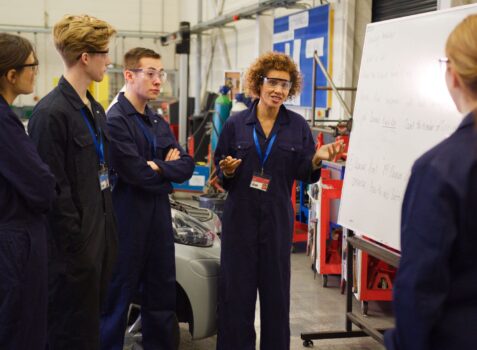
The scale of that hiring is increasing pressure on the San Antonio workforce, particularly in technical occupations that manufacturers are already struggling to fill. The region has expanded training, placement, and education programs, while employers are adding thousands of jobs across advanced manufacturing.
The region has spent the past decade expanding its workforce infrastructure. Those investments now face a test: whether the system can deliver workers with the skills manufacturers need.
More programs, one labor market
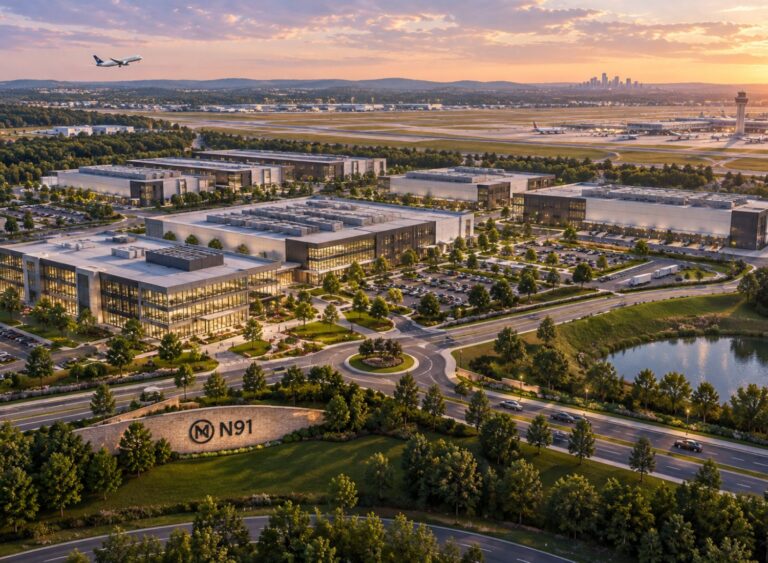
IEM plans to build a 1 million-square-foot plant and hire up to 3,000 workers in manufacturing, engineering, logistics, and corporate support by 2030. Greater:SATX describes it as the largest job-producing investment the organization has secured in more than two decades.
County documents put the average IEM salary at $53,073. About 90% of employees are expected to earn more than $21.34 an hour. Construction and hiring timelines have not yet been announced.
IEM is part of a broader South Side manufacturing expansion. JCB’s South Side factory has grown to 1 million square feet and $500 million in investment. The company plans to employ up to 1,500 workers, with hiring underway ahead of production.
Toyota’s $3.6 billion expansion will add a second assembly line, 2.5 million square feet, and more than 2,000 jobs. The project is expected to push Toyota’s San Antonio workforce to approximately 6,000. Together, the projects are increasing hiring demand across a region with an extensive network of workforce organizations.
“Workforce is probably the biggest bottleneck to future economic growth in this region,” Jeff Jewell, director of economic and community development for the City of New Braunfels, said in an interview with Invest:. “It’s no longer necessarily about attracting companies. It’s about creating a pipeline of trained and capable people and ensuring companies have the workforce they need.” That demand is also testing how effectively the region’s existing workforce infrastructure can respond.
“It is both a blessing and a challenge that our workforce development ecosystem is decentralized,” Brett Finley, president and CEO of the Metro SA Chamber, said in an interview with Invest:. “At any given time, we could have 15 to 20 publicly owned, quasi-governmental, and private-sector organizations doing something in that space.”
With that scale comes the challenge of coordinating programs around employer needs. “The challenge locally is alignment, redundancies in efforts, and communication gaps. We need to make sure employers are getting the qualified workers they need,” Finley added. “It is a benefit that we have so many programs, but San Antonio has at times taken a siloed approach unintentionally over the last five to 10 years. Workforce and those challenges over the next 10 to 15 years will be among the biggest issues we continue to deal with.”
READ MORE: Toyota’s deal signals new era for San Antonio investment
Employers name the need
The city is reassessing how its workforce programs respond to employer demand. “Ready to Work is San Antonio’s education and job placement program that continues to evaluate how it must evolve to support employers,” Brenda Hicks-Sorensen, director of the City of San Antonio Economic Development Department, said in an interview with Invest:.
“As part of the strategic framework update, we are examining what the next evolution of workforce programming should look like,” Hicks-Sorensen said. That review includes the occupations Ready to Work prioritizes as employer needs change. “You cannot talk about economic development without talking about workforce. Our departments are in constant communication about what employers are telling us and where needs are changing. We recently reviewed data and discussed whether we should further narrow or shift the occupations being prioritized. The goal is to support employers while helping participants move successfully into available jobs.”
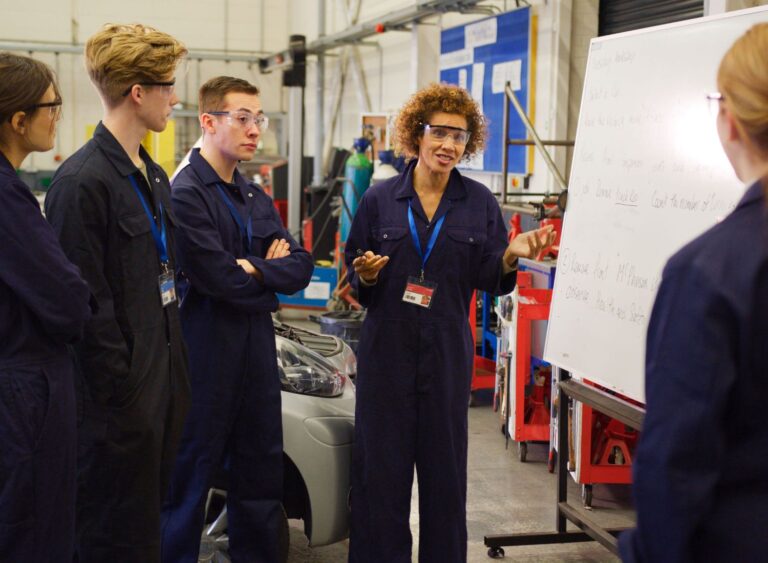
One occupation already drawing attention from major South Side employers is advanced maintenance. “One of the most in-demand skill sets continues to be advanced maintenance technicians,” Brooks President and CEO Leo Gomez said in an interview with Invest:. “These professionals play a critical role in keeping production lines running and typically possess a blend of electrical, mechanical, welding, automation, and IT expertise.”
Local training capacity is expanding around that demand. Bexar County operates a workforce training program at Brooks that prepares skilled maintenance technicians, an effort Gomez said helped reinforce the need for additional workforce investment. Palo Alto College plans to build a $95 million Center of Applied Technology at Brooks focused on advanced manufacturing and automotive technician training.
Existing workforce programs also reflect the region’s training and placement activity. Ready to Work has logged more than 5,000 approved job placements. Workforce Development Executive Director Mike Ramsey said participants placed in jobs had increased their salaries by an average of more than $33,500.
Youth workforce programs are operating at a similar scale. Since 2015, SA WORX has served more than 53,000 young San Antonians and engaged more than 1,200 employers, according to Greater SATX. The program has also partnered with 19 school districts and generated more than $7 million in cumulative youth wages through its internship programs.
The share of residents earning credentials has increased. “We increased our educational attainment rate from 36.1% to 41.9% in four years,” Romanita Matta-Barrera, chief impact officer at Greater SATX Regional Economic Partnership, said in an interview with Invest:. “Every half percentage point represents thousands of additional residents earning credentials, and, just as importantly, more of that talent is remaining in the region.”
Educational attainment has also increased. The regional rate rose from 36.1% to 41.9% in four years, according to Romanita Matta-Barrera, chief impact officer at greater:SATX Regional Economic Partnership.
That workforce capacity is being developed alongside a continuing pipeline of business investment. Matta-Barrera said the region had another 3,600 jobs in the pipeline, representing approximately $1 billion in capital investment in 2026. Those figures reflect projects in the pipeline rather than completed investment.
The numbers to watch
The 6,500 positions announced by IEM, Toyota, and JCB will not arrive all at once, but they provide a benchmark for the scale of hiring ahead. The mix of jobs also matters. Manufacturing growth is increasing demand for specialized occupations, including the advanced maintenance roles employers are already identifying as difficult to fill.
That puts several workforce measures into sharper focus: how Ready to Work adjusts its priority occupations, how many workers complete technical training, how many move into jobs, and whether employer participation keeps pace with available programs. Wage gains and educational attainment provide broader measures of progress, but placement by occupation will show more directly where supply is meeting demand.
San Antonio has already committed significant resources to workforce development. The next set of results will come from how those programs perform against the jobs employers are actually creating.
Want more? Read the Invest: San Antonio report.