
Why tourism is the new economic weapon for city leaders
Key points:
- • U.S. travel spending is giving destinations a larger economic stake in infrastructure and visitor development.
- • Pittsburgh and New Bern illustrate how tourism leaders are using quality-of-life assets and regional coordination to strengthen competitiveness.
- • Myrtle Beach’s Collaborate 2031 strategy shows how longer-term planning can align municipalities around tourism growth.
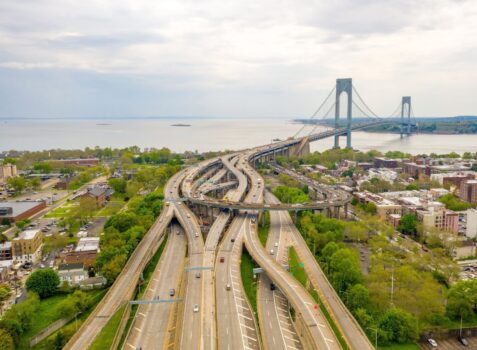 September 2026 — City leaders recognize an opportunity when they see one, and right now that opportunity is tourism. With domestic-led visitor spending reaching record highs, cities from Pittsburgh to Myrtle Beach are positioning investment dollars to both attract tourists and benefit their own residents over the long term.
Join us at caa’s upcoming leadership summits! These premier events bring together hundreds of public and private sector leaders to discuss the challenges and opportunities for businesses and investors. Find the next summit in a city near you!
The growing economic importance of tourism is giving destinations more reason to think strategically about how they invest in the assets that support visitors. U.S. travel spending is forecast to reach a record $1.37 trillion in 2026, according to the U.S. Travel Association, with domestic travel accounting for 87% of that total. As travel demand grows, infrastructure, cultural assets, recreation, transportation, and other quality-of-life investments are becoming increasingly important to a destination’s ability to compete.
For Jerad Bachar, president and CEO of VisitPITTSBURGH, the value of those investments extends well beyond attracting visitors. “These tourism assets are also quality-of-life assets. The arts and culture, outdoor recreation, airport, festivals, and concerts are among the reasons people choose to live, invest, start a business, or attend school here,” he said in an interview with Invest: Pittsburgh.
Tourism takes a broader role
The economic case extends beyond domestic spending. The National Travel and Tourism Office forecasts 70.5 million international visitors to the United States in 2026, up from 68.3 million in 2025. It projects international arrivals will reach 85.2 million by 2030.
That growth gives destinations another reason to examine the capacity and competitiveness of the assets that support visitors. Airports, cultural institutions, public spaces, recreation, and lodging all influence a market’s ability to capture travel demand.
Those assets also support business attraction and talent retention. Bachar told Invest: that tourism development needs to be evaluated through that broader competitive lens.
“We compete for conventions, trade shows, sporting events, and individual travelers, so we must understand what other destinations are doing, where they are investing, and how they are positioning themselves,” he said.
The investment environment is strengthening on the hospitality side as well. JLL reported $24 billion in U.S. hotel transaction volume in 2025, a 17.5% increase from 2024, and expects hotel investment activity to strengthen further in 2026.
For destination leaders, there is a beneficial correlation. Capital flowing into hotels, transportation, entertainment, and public infrastructure can reinforce one another when communities align their development priorities.
Regional strategies gain ground
That alignment is increasingly taking place across municipal boundaries.
“My counterparts in other destinations are increasingly open to regional tourism rather than working in silos or feeling as competitive as we once did,” Melissa Riggle, executive director of Visit New Bern, said in an interview with Invest: Raleigh-Durham.
“Every destination has something unique to offer,” she said. “Travelers often want to see as much as possible once they arrive. New Bern and its neighbors can all benefit from a regional approach.”
Riggle’s point reflects a practical challenge for smaller and midsized destinations. Visitors do not necessarily organize trips around municipal boundaries, while tourism investment often does. Regional cooperation can therefore give communities a larger collection of assets to market and a broader base from which to pursue visitor spending.
The approach also changes how destinations compete for investment. Communities can coordinate around attractions, transportation, accommodations, and development rather than pursuing overlapping projects independently.
Planning beyond the next cycle
Myrtle Beach is taking the regional approach into a longer planning horizon through Collaborate 2031, a communitywide strategy that brings the area’s municipalities together around a shared vision.
Stuart Butler, president of Visit Myrtle Beach, described the initiative to Invest: as “the first-ever communitywide strategy,” bringing municipalities together under one vision for the destination’s future.
The strategy reflects a broader shift in how tourism leaders approach growth. Long-term visitor demand depends on decisions made well beyond annual marketing plans, including infrastructure, development, transportation, and coordination among public and private stakeholders.
Myrtle Beach also has a significant economic scale behind those decisions. The destination generated $13.3 billion in direct visitor spending in 2025, according to Tourism Works for the Grand Strand, producing more than $26 billion in total economic impact.
That scale gives regional planning a direct financial dimension. Decisions about where to invest, how communities coordinate, and which assets receive capital can influence how effectively the destination captures future visitor spending.
The U.S. Travel Association’s forecast projects continued growth in U.S. travel spending through 2027, reinforcing the need for destinations to plan beyond individual tourism campaigns and annual visitor targets. Markets that connect infrastructure decisions, regional partnerships, hotel development, airport capacity, and investment in cultural and recreational assets to a broader economic strategy will be better positioned to compete for the next cycle of visitor spending.
Long-term tourism growth is increasingly tied to how effectively communities bring these priorities together. When infrastructure, development, and tourism planning move in the same direction, visitor spending can become a catalyst for broader economic growth and stronger communities.
Want more? Read the Invest: reports.