Buyers gain leverage as housing markets shift nationwide

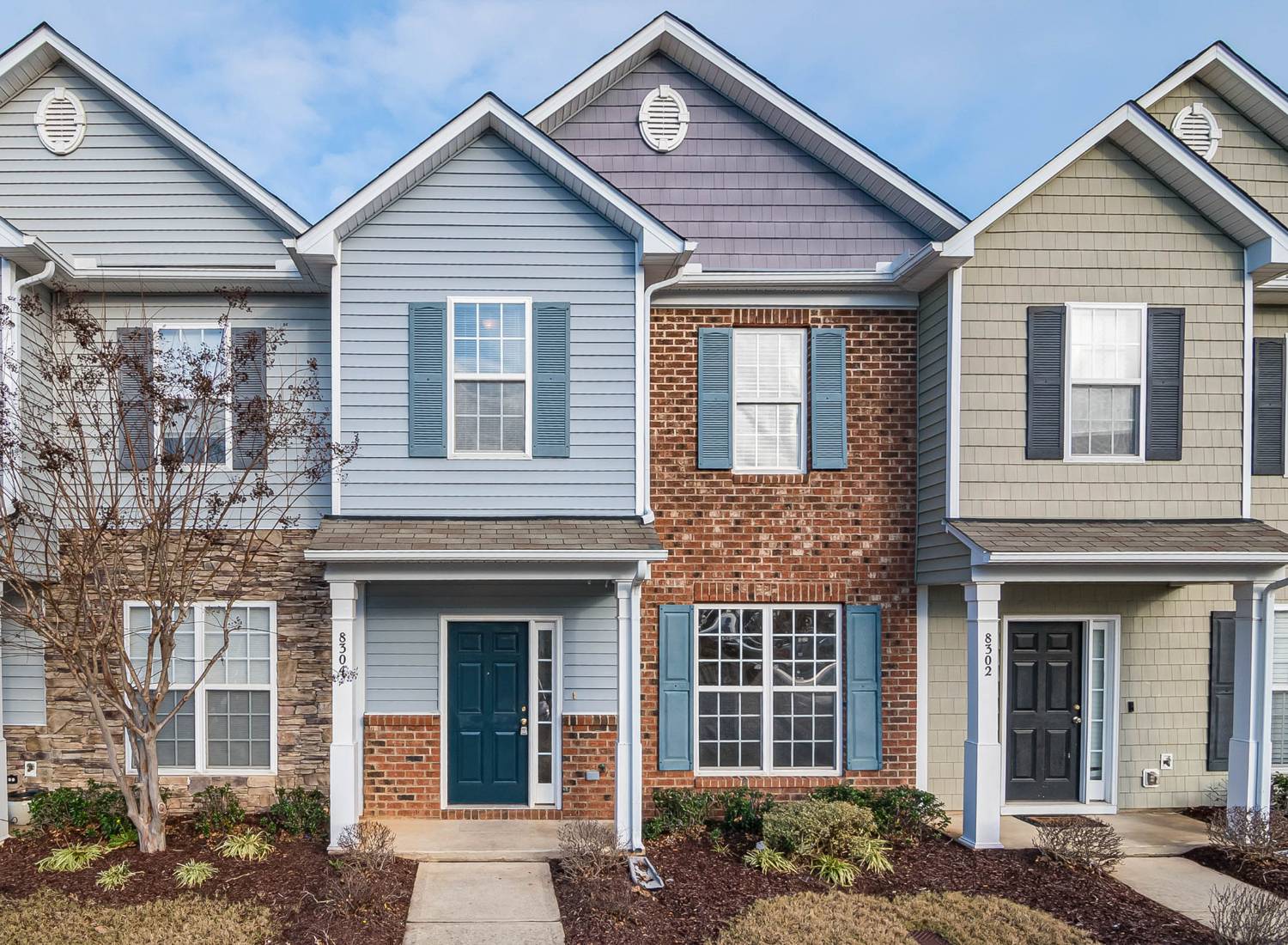 November 2025 — The power balance in America’s housing market has shifted, according to a recent Redfin report. Sellers outnumber buyers by nearly 37% across the nation — a near-record imbalance, which is giving buyers growing leverage to negotiate purchases.
“We have a lot of inventory — more than we have seen since the housing crisis,” said Erin Cestero, president of JBGoodwin REALTORS San Antonio division, in an interview with Invest:. “Sellers must adjust to slower sales, while buyers have more choices and better negotiation power.”
Join us at caa’s upcoming leadership summits! These premier events bring together hundreds of public and private sector leaders to discuss the challenges and opportunities for businesses and investors. Find the next summit in a city near you!
The gap is most pronounced in seven metros where there are at least twice as many sellers as buyers — six of which were in Texas and Florida.
The strongest market for those looking to buy is in Austin, TX, where sellers exceed buyers by 130%. This was followed by Fort Lauderdale (118.5%), West Palm Beach (113.0%), Miami (112.2%), Nashville (109.4%), Dallas (100.4%), Jacksonville (96.3%), Las Vegas (89.6%), and Houston (83.8%).
Other notable buyer’s markets include: Atlanta (52.9%), Charlotte (75.6%), and Fort Worth (68.2%).
Nationally, the only other time there were more sellers than buyers in the market was in June 2025, based on records dating back to 2013, according to Redfin.
By comparison, just five metro areas remain sellers’ markets, with Newark, considered the most robust (-41.9% sellers-to-buyers). Meanwhile, sale prices are rising more sharply in seller’s markets, with a 3.8% year-over-year increase compared to just 1.3% in buyers’ markets, highlighting the ongoing shifts in the housing landscape.
Despite power swinging in favor of prospective homeowners, many have been shut out of the marketplace due to higher home prices. Some would-be buyers have defaulted to rent instead or have delayed purchases, waiting to see if home prices will go down. Others face “decision paralysis” given the number of different homes available.
“It is an interesting time in the market,” said Alex Akel, president of Akel Homes, a South Florida homebuilder, in an interview with Invest:. “New home prices remain elevated despite higher interest rates. (This) has locked many owners into their current homes, which … keeps some local move-up buyers “trapped” in place.”
For sellers, this means increased competition and deals going under. “Sellers in Nashville are outpacing buyers by 97%, and 30% of homes are not making it to the closing table. There’s a good chance that a home doesn’t sell, goes under contract during the inspection period, or the terms change before getting to the closing table,” Christian LeMere, president and founder of Nashville’s Move Up Home Group, told Invest:.
Nationally, though, the market has swayed in favor of buyers due to varying factors.
The Sun Belt, for instance, attracted a dramatic population shift during the pandemic as homebuyers moved in from more expensive regions. “In cities like Nashville, people move in from higher-cost markets like Chicago, New York, and California. For them, Nashville is still relatively affordable,” explained Marshall Crawford, president and CEO of The Housing Fund.
Home prices skyrocketed as a result and many locals were effectively priced out of the market, according to Crawford. “For lifelong residents, rising home prices have outpaced wage growth, making homeownership increasingly difficult,” he told Invest:.
In an effort to meet the growing demand, homebuilders increased construction activity, but this led to the sharp imbalance between the number of homes for sale and the people who want to buy them — a dynamic which is still at play today.
At the same time, Texas and Florida continue to build more homes at a faster pace than any other state in the country, per the U.S. Census Bureau Building Permits Survey, which tracks authorizations for new privately-owned housing units.
The margin between the two states and the rest of the nation when it comes to homebuilding is also substantial. As of March 2025, both Texas and Florida were granted more than 32,000 permits for the construction of new housing units — more than double that of runner-up state North Carolina.
In Florida, high insurance premiums, natural disasters, and rising condo HOA fees are also pushing many homeowners to sell, further widening the gap between sellers and buyers in the marketplace.
New Jersey and Pennsylvania, on the other hand, face high regulatory scrutiny, which stalls homebuilding.
“One of the primary challenges is that New Jersey is a highly regulated state. The timeline for obtaining entitlement approvals, along with permits … is long, arduous, and expensive. This creates a high barrier to entry for development in New Jersey,” said Thomas Trautner, district council co-chair of the New Jersey Urban Land Institute, in an interview with Invest:. “Delayed approvals can kill projects, preventing new housing from being built.”
The level of new construction significantly influences market dynamics, as it affects the balance of supply and demand, tipping regions with reduced development activity into sellers territory.
For instance, the South leads in issuing building permits, and many of the nation’s buyers’ markets are located in those regions. The Northeast, however, grapples with tighter permitting restrictions, so sellers’ markets tend to be concentrated in metro areas like Newark and Montgomery County, where the supply of newly built homes remains limited.
Generally, though, the cluster of homebuyers is shrinking as a result of high home prices, elevated mortgage rates, and economic instability — all of which have discouraged purchases. At the same time, the number of home sellers was increasing (at least up until recently) due to sluggish buyer demand causing stale listings to pile up and mortgage rate lock-ins compound the effect.
Now some sellers are pulling back from the market to avoid selling in conditions where demand is weak and buyers have greater negotiating power. Yet, the buyer-seller gap remains large, and even more so in rapidly growing states like Florida and Texas, where opportunities to buy are plentiful.
For Roger Sargent, CEO and executive team leader of Keller Williams Realty in Mt. Juliet, Tennessee, selling a home in today’s market requires a different type of approach: “The skill set that an agent required to do business (back) then is quite different from what is needed today. Then you had to be quick to get to client opportunities. Now it is a matter of how well you can serve that client’s needs.”
“Listings are sitting on the market longer,” Sargent told Invest: “Agents need to consider … how they can market the available home versus just putting it on the MLS and waiting for an offer to come in.”
“The key to our success is understanding what opportunities are out there and becoming the bridge between the buyer and seller,” added MoveUp’s Lemere.
For more real estate trends, check out caa’s latest Industry Corner on smart real estate investments.
Want more? Read the Invest: reports.
Subscribe to Our Newsletters