Face Off: How South Florida business leaders are shaping economic growth
Writer: Eleana Teran
 February 2025 — South Florida’s economic landscape continues to evolve, with business leaders committed to fostering sustainable growth and opportunity. While industries across the region adapt to shifting economic conditions, organizations like the Jim Moran Institute and Handy Inc. are playing a crucial role in strengthening the foundation of the local economy. Whether by empowering small business owners with the tools to navigate an increasingly competitive market or guiding young people toward viable career paths, the main focus is to ensure that South Florida’s workforce remains resilient and prepared for the future.
Small businesses are the backbone of the country. In Florida, they make up 99.8% of all businesses, employing approximately 3.6 million people, which accounts for a little over 40% of the state’s workforce. In 2024, Florida saw the formation of 163,992 new businesses, leading the nation in new business creation. This surge reflects a dynamic entrepreneurial spirit, with small enterprises driving innovation across sectors such as professional services, real estate and transportation.
Workforce development is equally critical to sustaining economic momentum. In recent data, Broward County reported a 2.9% unemployment rate for December 2024, slightly below the state average of 3.1%. Nationally, the unemployment rate for individuals aged 16 to 24 stood at 9.8% in July 2024, 1.1 percentage points higher than the previous year, showing the need for targeted programs to equip young people with skills aligned with market demands.
To explore how business leaders are addressing these challenges, Invest: spoke with Jennifer Brin Kovach, South Florida director of the Jim Moran Institute, and Kirk Brown, CEO of Handy, Inc. By offering training and mentorship, they help small business owners navigate complexities such as rising operational costs and technological advancements. Simultaneously, their initiatives provide youth with pathways into high-demand industries, ensuring a pipeline of skilled talent ready to contribute to South Florida’s diverse and evolving economy.
How do you keep your programs aligned with changing industry trends to create more opportunities for participants?
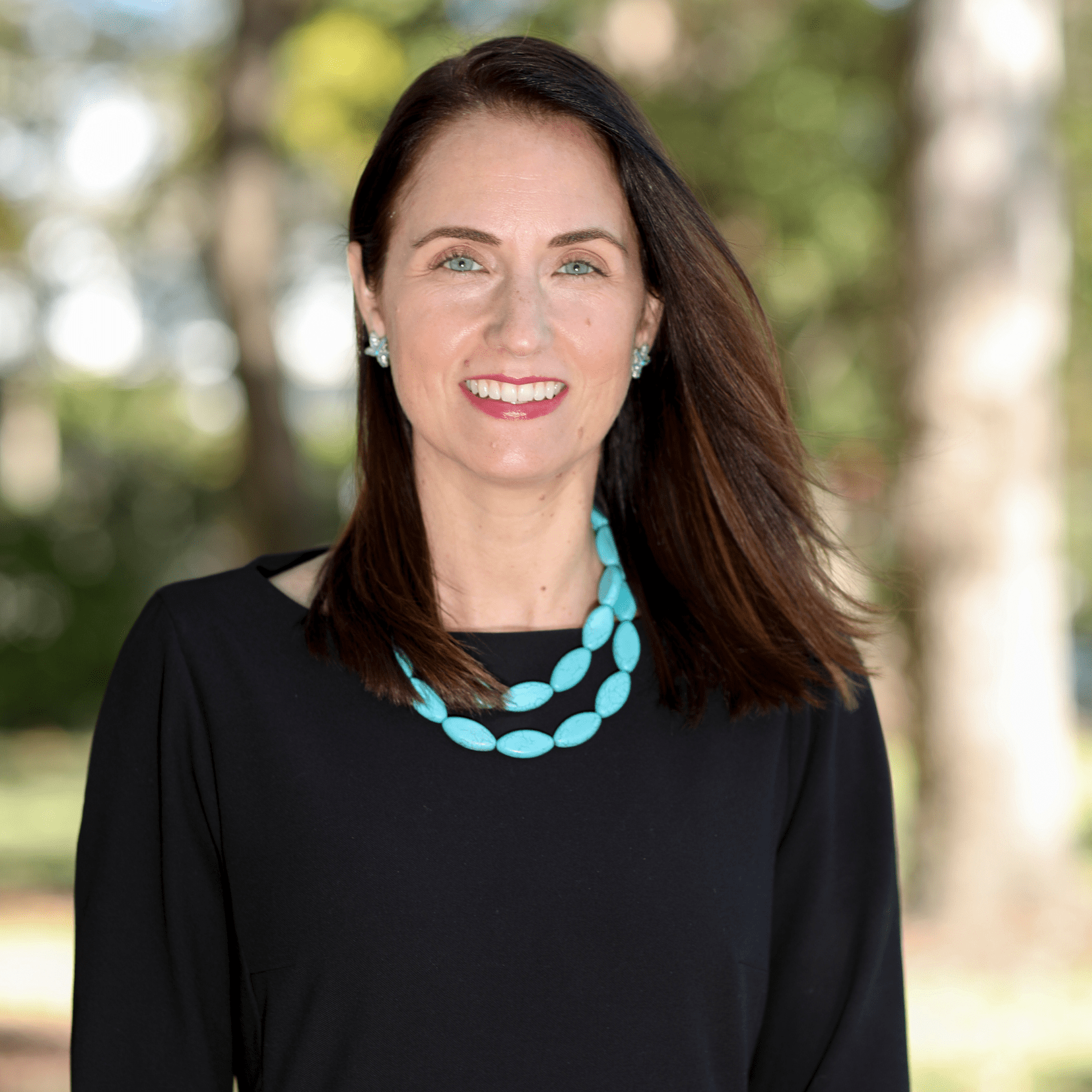 Jennifer Brin Kovach: South Florida has built and grown so much that we’re not dependent on tourism as much as we once were. There’s so much opportunity all year long, with a diverse group of businesses in the cities and communities. When we select our program participants, we focus on putting together a diverse array of industries and different types of businesses in each seat, from staffing agencies and investment banks to aviation companies, auto sales, and Spanish-speaking immersion education programs. We’ve seen an increased interest and popularity with high-growth tech businesses. A lot of the small-business owners we work with are exploring how to use new technology effectively in their business.
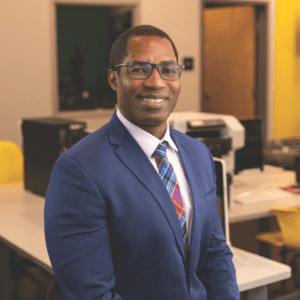 Kirk Brown: We focus on staying ahead of industry trends. We analyze industry data from the Florida Department of Labor. As we see that data, we identify high-demand industries and work them into our workforce development planning. We are currently focused on technology, manufacturing, healthcare, construction, education, hospitality, and the marine industry. We encourage our young people to do internships and get work experience. If they show interest, we can use a career path-based methodology to place them into the industry by way of certifications, academics, or apprenticeships. On the industry side, we make sure we’re in the same room as the industry leaders. We engage our corporate partners like Moss, DPR, and Lennar, so they can make room for our young people to be onboarded into their companies.
One of the unique aspects of our program is that young people get the chance to know CEOs on a first-name basis. Using music as an example, they get to learn about the different layers of the music industry. Being an artist isn’t the only important job in a studio. The kids get to learn about producing, engineering, mastering, and other aspects that build the music industry. By age 16, our students can get a job in the industry, then by age 18 they’re ready to make an informed choice about their education and future. We want to help young people see the value in higher education and break out of cycles of poverty.
How are business leaders adapting to rising costs and economic challenges while staying competitive and supporting their communities?
Brin Kovach: South Florida has built and grown so much that we’re not dependent on tourism as much as we once were. There’s so much opportunity all year long, with a diverse group of businesses in the cities and communities. When we select our program participants, we focus on putting together a diverse array of industries and different types of businesses in each seat, from staffing agencies and investment banks to aviation companies, auto sales, and Spanish-speaking immersion education programs. We’ve seen an increased interest and popularity with high-growth tech businesses. A lot of the small-business owners we work with are exploring how to use new technology effectively in their business.
What I value about our peer groups and discussions with business leaders is the willingness to tackle a new issue as it comes up, and brainstorming ways to navigate new challenges that arise. Due to rising operational costs, mergers and acquisitions, and competition from larger companies, many of our small businesses have had to reluctantly raise prices that hadn’t changed in many years. Business leaders support each other in navigating these challenges and finding ways to compete and differentiate themselves in the market.
Brown: I’d score our economy at about a 4, and the reason is the lack of affordable housing. We’ve priced a certain income out of our economy in our area. Anyone who makes below $80,000 is likely to struggle to afford to live here. Handy tries to help place people into affordable housing. Insurance costs on the properties have risen, which in turn drives up rent. It places a strain on both the landlord and tenants. This creates affordability struggles for many of our clients.
We have seen a 23% rise in operational costs. Food, transportation, and insurance costs have all risen. Building a strategy to earn money is a priority to continue to keep our doors open.
I’m a data-driven person, and when I look at income disparity in our community, I see that the bottom 20% of income feeds the upper layers of income. Our service economy directly affects the revenue growth and structure of the whole economy. We have a unique blend of cultures in Broward County, and we should be investing from a perspective that includes a diverse population. All the cents make up a dollar. We need to invest in all layers of the economy to make our communities successful.
How are you evolving your programs to better support future leaders and changing community needs?
Brin Kovach: We want to continue to find ways to support our graduates, and to spread the word about our programs. We’re always making tweaks and improvements to our programs using feedback from our participants. We do several workshops throughout the year, and we have an annual conference that we are hoping to bring back to South Florida in 2026. We’re also focused on supporting our up-and-coming business leaders and helping with leadership transitions as current business leaders prepare for retirement or career advancements.
Brown: Since 2002, we have utilized 57 customized individualized services, falling under five pillars: youth development, workforce development, mental health services, low and affordable housing, and educational transitions. A lot of young people are excelling and learning to believe in themselves. We’re seeing more young people interested in entrepreneurship, who want to be the CEOs of their own lives. We are supporting more homeless youth, foster-care kids, and young people being raised by older relatives. We’re partnering with healthcare providers to make sure these groups have access to healthcare.
For more information, please visit: