

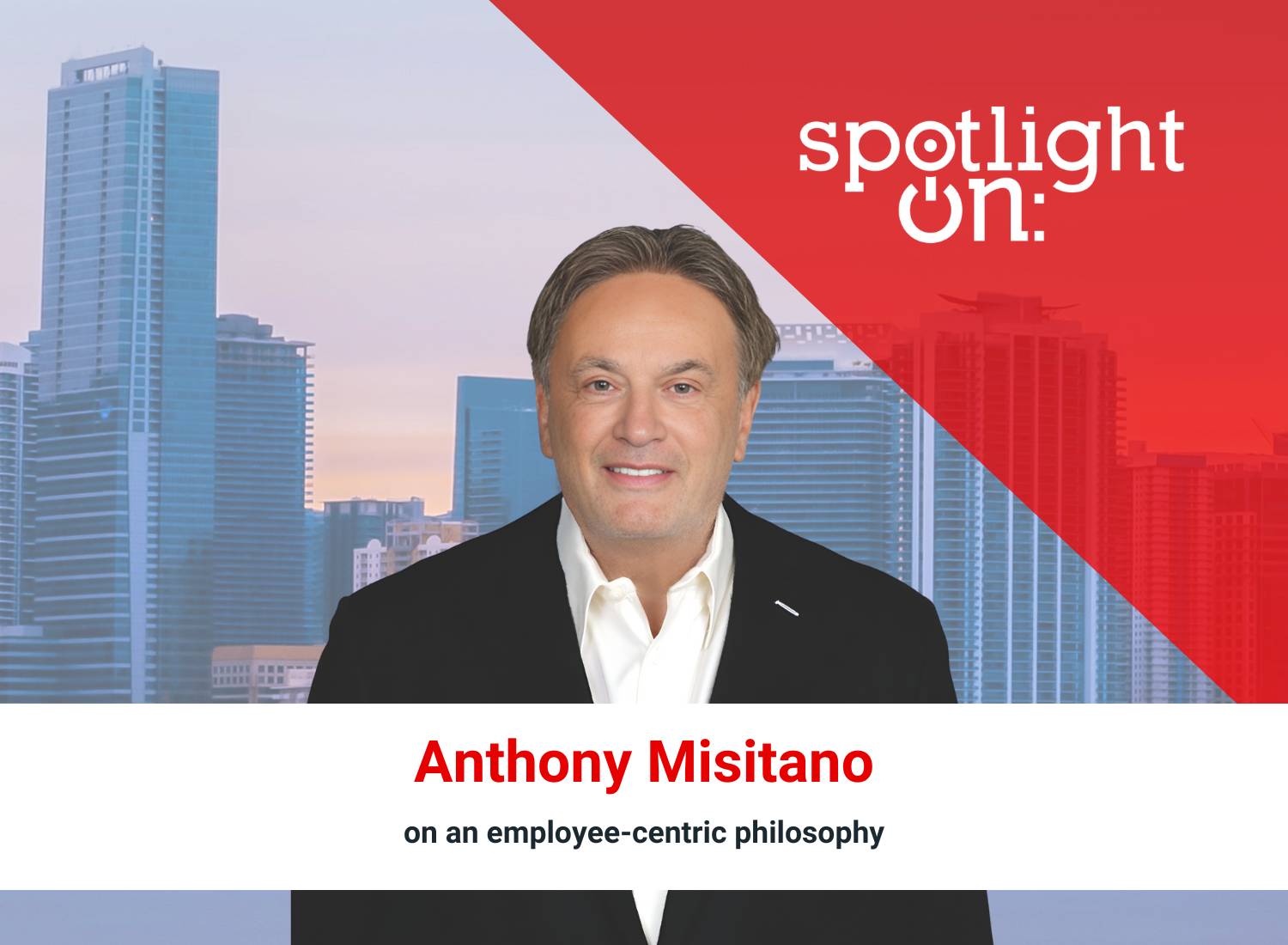
Spotlight On: Anthony Misitano, Founder, Chairman & CEO, PAM Health

Anthony_Misitano_Spotlight_onDecember 2025 — In an interview with Invest:, Anthony Misitano, founder and CEO of PAM Health, discussed the firm’s leadership reorganization, strategic growth, and employee-centric philosophy. “At PAM Health, we prioritize our employees as much as our patients. We foster a developmental culture that encourages growth and collaboration. Our core value, ‘care with compassion,’ extends not only to our patients but also to our staff,” Misitano said.


Join us at the Invest: Pittsburgh 3rd Edition Leadership Summit! This premier event brings together hundreds of Pittsburgh’s business and regional leaders to discuss the challenges and opportunities for businesses and investors. Buy your ticket now!


What changes over the past year have most impacted PAM Health’s Pittsburgh and national operations?

In January 2025, as PAM Health approached its 20th year, we underwent a significant reorganization to prepare for future leadership and growth. A key change involved the founder relinquishing the president title to his daughter, an attorney who has excelled in the role. Additionally, we have a new senior executive vice president and chief operating officer, now overseeing all company operations.

This monumental realignment of leadership, the first in 17 or 18 years, was driven by a focus on succession planning and fostering new, improved approaches to thinking and leadership. The changes, implemented in September 2024, have proven highly successful. 2025 has been the company’s best year performance-wise, partly due to an increased emphasis on our high-quality standards, integrated with overall performance metrics. This focus on quality outcomes and pay-for-performance is crucial in today’s value-based healthcare landscape and has significantly improved both financial and quality performance. 

Beyond internal restructuring, PAM Health has continued to expand, with plans to open seven or eight new hospitals in 2026, possibly more depending on construction progress. In 2022, we acquired 16 specialty hospitals from Curahealth and Nautic Partners. Our acquisitions and new startups are carefully considered for their long-term strategic value and market positioning. We don’t acquire for the sake of it. Every decision is calculated to ensure the integration will enhance the company’s overall strength and open new opportunities. The company is very satisfied with its strong performance transitioning from 2024 into 2025.

What is your perspective on how to approach workforce development, and what strategies are helping to build a strong talent pipeline?

At PAM Health, we prioritize our employees as much as our patients. We foster a developmental culture that encourages growth and collaboration. Our core value, “care with compassion,” extends not only to our patients, but also to our staff. We actively listen to our employees and offer support for both professional and personal development. In 2025, we significantly invested in employee training and development programs. Our “We Care” program, while patient-focused, also highlights the proficiency and caring qualities of our team. Employee relations has become a key pillar of our company, emphasizing teamwork, innovation and mutual support among staff. This focus on our employees’ insight, participation, and knowledge base is yielding significant positive results.

PAM has implemented an Employee Travel program, with more than 100 traveling clinical staff serving hospitals nationwide. How does this program support your overall strategy?

The employee travel program serves multiple purposes. It helps hospitals meet staffing needs in areas like nursing and therapy. It also provides our employees with unique opportunities to travel, experience different parts of the country, and gain new perspectives on healthcare practices. This exposure allows them to learn new methods and potentially implement them in their home hospitals, ultimately benefiting themselves, our patients, and the hospitals we serve.

What healthcare trends are you seeing most prominently in Pittsburgh, such as the rising demand for rehabilitation care, technology adaptation, or other shifts?

Pittsburgh‘s healthcare market is robust, bolstered by the national presence of UPMC and Highmark Insurance. The long-standing relationship between these two entities provides opportunities for us to collaborate, helping them place patients in need of long-term acute care hospital services or rehabilitation programs. This market is highly dynamic, consistently embracing disruption in a positive way to innovate patient care. UPMC, with its powerful “life-changing medicine” logo, develops and implements new approaches, which it then scales across its system. We actively participate in this evolution, seeking to integrate our services and support their efforts. We value our interactions with these organizations.

What role do innovation and technology play in advancing patient safety at PAM Health facilities in Pittsburgh?

Patient safety is a major initiative at our company and is integral to providing quality care. We are actively working to keep our fall rates below national averages and are developing AI solutions for patient care and safety. These efforts in Pittsburgh mirror a nationwide trend, as technology and AI integration are transforming patient care and safety. We are pleased with our progress, collaborating with national AI leaders and pursuing internal initiatives. This is the new frontier, and it’s the right approach to enhance the patient experience and reassure families about the care their loved ones receive. Companies like ours and supportive foundations are positioning the region as a leader in patient safety.

What are the most pressing challenges facing long-term acute care and rehabilitation providers in Pittsburgh and nationally?

The impact of COVID-19 is felt universally still. It changed the way people think about working, about how they work, and about where they work. Staffing is a huge challenge for healthcare in Pittsburgh for us and across the country. Our Traveling Nurses program is one of the things that we do to help overcome those challenges on the staffing side companywide. We have developed affiliations with a number of universities to present to their nursing programs and provide scholarships and affiliations for their students with our hospitals and with our company. In some cases, we help with their tuition so that when they are done, they will join our company for some period of time.

Those are the types of investments we are making in those challenging areas related to staffing. 

I would say that is probably one of the bigger challenges that we face, and that ties into turnover. We are trying to figure out new and improved ways to be that compassionate, caring place to work so that people want to come be part of our system and make an impact. We view these things not so much as a challenge, but as an opportunity for us to be impactful and make things better in those areas, such as staffing, patient safety, and overall clinical care and clinical care improvement.

How do PAM Health’s recent commitments in Pennsylvania, including a $25 million donation to Penn State, reflect your philosophy of community engagement?

I am dyed in the blue and white wool of Penn State for sure. Penn State profoundly impacted my career trajectory, offering invaluable guidance and fostering strong relationships. I often say that while football isn’t a university’s front door, it’s certainly the front porch — a high-profile sport that generates significant revenue and interest. Our contribution to Beaver Stadium’s revitalization and subsequent designation as the official rehabilitation provider for Penn State football sends a powerful message nationwide about our dedication to athlete rehabilitation. This commitment extends beyond Division I or collegiate athletes. We’re here for weekend warriors, too, helping them recover from injuries. This message is incredibly important to us.

Looking ahead, what are your top goals and priorities for PAM Health’s Pittsburgh hospital?

We are keen to expand our post-acute business in Pittsburgh and are always seeking new opportunities. This could involve expanding an existing hospital to introduce new services. We are also prepared to collaborate with major healthcare providers in the area to achieve these goals more effectively.

Outside of Pittsburgh, our growth model focuses on rehabilitation, with a particular emphasis on wound care and hyperbaric medicine. This is a rapidly growing field due to its benefits in healing, longevity, and cellular rejuvenation. We are actively pursuing this across the country and anticipate adding approximately 20 new hospitals in the next two years, not including any acquisitions. This will bring our total to over 100 hospitals, spanning roughly 30 states. Ultimately, we aim to establish a presence in every state.

We are pursuing a controlled yet aggressive growth strategy to make our services accessible nationwide, as we believe we excel in this area and provide much-needed care. Our team enjoys and thrives in this work. We are enthusiastic about the future, recognizing that while rapid change can be challenging, we are excited about our position in the broader healthcare landscape. We are proud to be one of the largest private providers of post-acute and rehabilitation services in the country and are committed to continuing on this path.

Want more? Read the Invest: Pittsburgh report.

Subscribe to Our Newsletters

"*" indicates required fields
Address*
Would You Like To Receive Our National Newsletter?*
Interests
Markets
This field is hidden when viewing the form

Leaders assess trade realignment and supply chain risks at World Strategic Forum

Trade realignmentNovember 2025 — The International Economic Forum of the Americas (IEFA) hosted the 14th edition of the World Strategic Forum (WSF) at the Loews Coral Gables Hotel on November 24–25, bringing together global executives, policymakers, and thought leaders for two days of high-level dialogue on the future of the Western Hemisphere’s economy.


Join us at caa’s upcoming leadership summits! These premier events bring together hundreds of public and private sector leaders to discuss the challenges and opportunities for businesses and investors. Find the next summit in a city near you!


 Centered on the theme “Driving Prosperity Through Innovation,” this year’s forum examined how geopolitical shifts, trade realignment, rapid technological change and supply chain vulnerabilities are reshaping growth strategies across the Americas.

The program featured sessions focused on geopolitics, global trade, infrastructure, finance, fintech, energy, legacy planning, critical resources and supply chain security, alongside emerging technologies such as AI, blockchain and quantum computing. Opening remarks from Miami-Dade County Mayor Daniella Levine Cava emphasized Miami’s role as an increasingly influential hub for innovation and international business.

Trade realignment

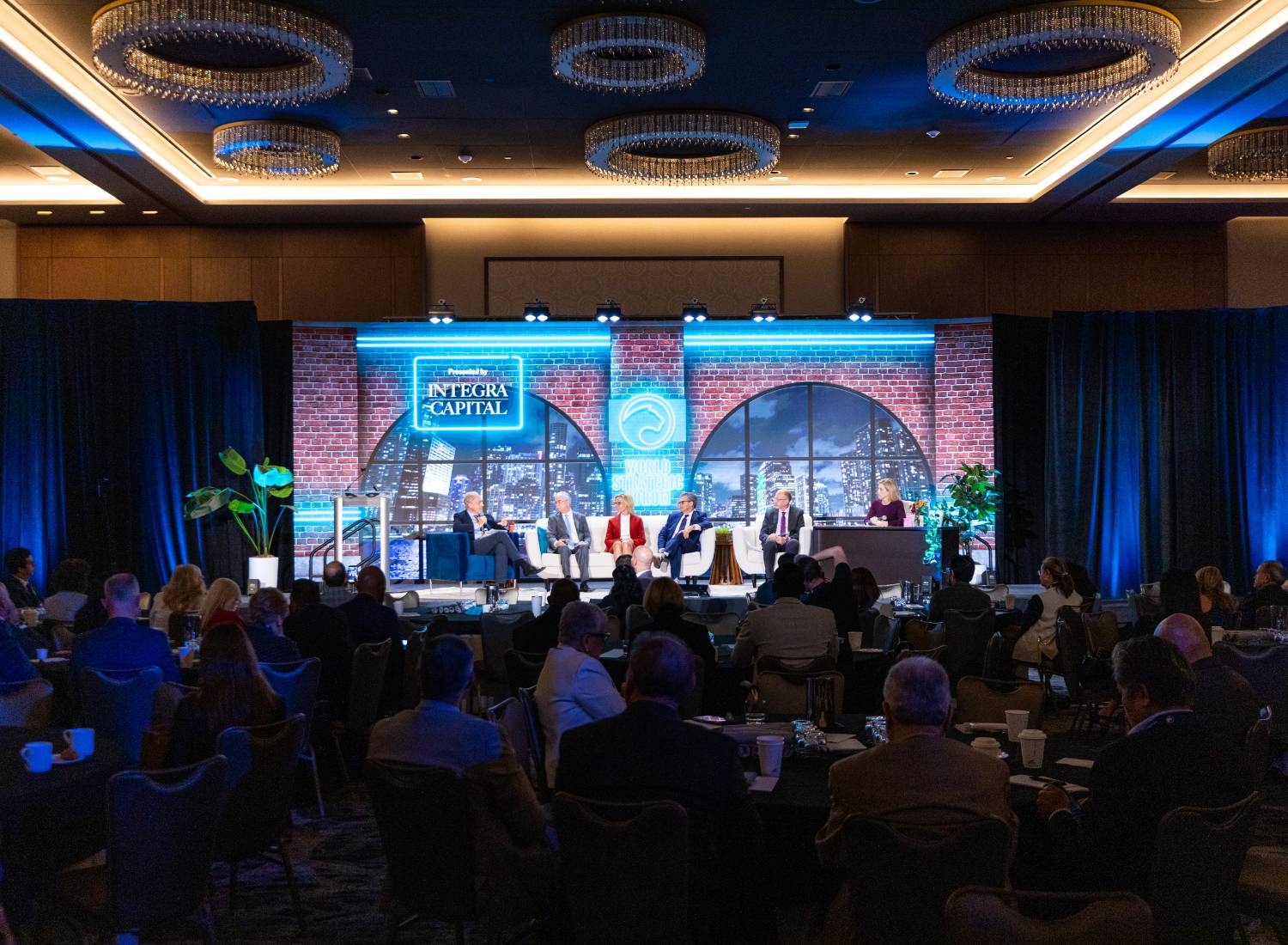
A major highlight of the event was a panel moderated by Abby Lindenberg, founder and CEO of caa. Drawing on caa’s coverage of 18 U.S. markets, Lindenberg guided a dynamic conversation on how global trade realignment, reshoring, and supply chain security are affecting both national policy and local economies.

Trade_alignment_PanelPanelists included Brian Coulton, chief economist at Fitch Ratings; Goldy Hyder, CEO of the Canadian Business Council; Lisa Gordon-Hagerty, CEO of Litore Partners; Robert Grammig, chair and CEO of Holland & Knight; and Bernard Spitz, founder and CEO of BSC. The discussion explored whether the world is witnessing a rationalization of existing supply chains or the emergence of a new global trading order. Speakers highlighted the permanence of elevated tariffs, the growing role of national security in trade policy, and the long-term implications of industrial strategies in the U.S., Canada, Europe and Asia.

“I think we have to be looking at a more complicated global trade picture,” said Coulton, noting that deep macroeconomic forces continue to anchor global trade flows despite geopolitical disruption.

Gordon-Hagerty underscored the need for stronger public–private partnerships to address industrial and energy vulnerabilities. “No one can go it alone. We need to build resilience with our allies,” said Gordon-Hagerty.

Across the Forum, speakers reinforced that supply chain security, technological leadership, and strategic alliances will shape economic resilience in the years ahead.

Images provided by World Strategic Forum

To learn more about the World Strategic Forum, visit their website.

Want more? Read the Invest: Miami report.

Subscribe to Our Newsletters

"*" indicates required fields

Address*
Would You Like To Receive Our National Newsletter?*
Interests
Markets
This field is hidden when viewing the form

Spotlight On: Melissa Seixas, State President, Duke Energy Florida

Melissa_Seixas_Spotlight_OnNovember 2025 — In an interview with Invest:, Melissa Seixas, state president of Duke Energy Florida, shared how storm recovery and rate stability defined 2024, with $1 billion in storm costs offset by projected 2026 bill reductions. Investments in renewable energy and grid hardening, such as smart, self-healing technology, are key to affordability and resilience. “Whatever comes, we want to ensure that the power remains reliable and that we’re ready for whatever Mother Nature throws our way,” Seixas said.


Join us at caa’s upcoming leadership summits! These premier events bring together hundreds of public and private sector leaders to discuss the challenges and opportunities for businesses and investors. Find the next summit in a city near you!


What have been Duke Energy’s key priorities this past year in Florida?

Two priorities really shaped the past year for us. The first was storm recovery. After a tough hurricane season, our focus was standing side by side with customers and communities during the rebuilding process.

That meant being transparent about the cost. We filed for about $1 billion in storm cost recovery, which temporarily increased bills for customers. We brought in 27,000 resources from across the country to support our response. That level of readiness requires investment.

We filed our projected price changes for 2026 on Sept. 1, and we’re happy to say that beginning in March, customers should see about a 22% decrease in bills as the storm recovery charges roll off and other adjustments take effect.

The second priority was executing our settlement agreement with the Florida Public Service Commission. That provided clarity on base rates and future investments in our infrastructure — everything from improving fuel efficiency at our plants to expanding our solar generation.

How is Duke Energy working to keep energy affordable while continuing to modernize its infrastructure?

Affordability is always top of mind. It starts with running our generation fleet as efficiently as possible. To date, we’ve completed upgrades at three natural gas plants across Florida, translating into more than 315 megawatts of capacity added to the electric grid (roughly the output of a small power plant) and an estimated $340 million in annual fuel savings for customers. We’re also investing heavily in solar, with roughly 30 utility-scale plants so far and more coming online every year. Our plan is to generate around 6,100 megawatts of clean energy by the end of 2033. 

That directly reduces fuel costs for customers. In fact, for every 300 megawatts of solar, we save about $1 billion in fuel costs (over the sites’ service lifetimes). We also pass on savings from federal tax credits, which total around $65 million annually from the Inflation Reduction Act (IRA).

Beyond that, we provide customers with tools and programs to help them manage their usage. Whether it’s budget billing or business-specific programs for small and medium businesses, we’re constantly working to give customers control over their energy costs.

Grid resilience and safety are major issues, especially in storm-prone regions like Tampa Bay. How do you cultivate a strong safety culture at Duke Energy?

Safety is woven into everything we do: physically, mentally, operationally. We have workers in hazardous conditions every day, whether it’s energized lines, roadside work, or storm restoration. Thousands of our employees drive tens of thousands of miles a year.

We start every meeting with a safety moment. We talk about emergency exits, AED locations, and how to respond to medical events, whether there are four people in the room or 400.

We also train with public safety agencies — fire, police, emergency management — especially before storm season. When first responders come to our facilities and see how seriously we treat safety, it resonates.

We’re also expanding the definition of safety to include mental wellness. Providing resources for mental health is becoming just as important as traditional physical health. It’s all part of making sure our people are supported, which in turn strengthens how we serve our communities.

What role is technology playing in how you deliver power and interact with customers?

Technology is transforming every part of our operation. One of our biggest advancements is self-healing grid technology. It automatically detects outages, reroutes power to other lines, and restores service usually in less than a minute – sometimes before customers even realize there was a problem.

In Pinellas County, about 90% of customers are already benefiting from it. Think of it like GPS in your car: if there’s an accident, it reroutes you. That’s what our system does when there’s an outage.

We also use drones for infrastructure inspections, especially for high-voltage transmission lines. AI is helping with training, creating realistic simulations that prepare new and existing employees for complex scenarios.

Even with all these advances, we still have people physically climbing poles and maintaining the grid. The goal is to combine hands-on expertise with new tools that make our workforce safer and more effective.

What are you doing to develop future talent for the utility industry?

We’ve built strong partnerships with state colleges — St. Petersburg College, Valencia College, Lake-Sumter State College, Seminole State College — to train the next generation of lineworkers. These programs blend traditional skills with new technology, creating a pipeline of talent ready for the evolving energy landscape.

I recently spoke at a graduation at St. Petersburg College. I told the graduates that whether you end up working for us or for another utility, we’ll all be helping each other. That’s how this industry works. We show up for one another.

And we have internships. These young people really seem to crave – and actually enjoy – an atmosphere of teamwork and collaboration, which is something we demonstrate in our culture every day.

I’m proud to share that we’ve successfully transitioned dozens of interns to full-time roles within just the past three years. They represent a range of engineering and technical disciplines and come from the University of South Florida, University of Central Florida, the University of Florida, Florida State University and Florida Polytechnic University, among others.

Youth Energy Academies are another exciting program we sponsor. They’re two-day events, geared towards middle and high school students, providing them hands-on opportunities to learn about the energy industry.

This summer, Duke Energy Florida helped facilitate Youth Energy Academies across the state. Hundreds of students participated in workshops, listened to panel discussions with lineworkers and other professionals, and got to learn more about the careers offered within our industry. They seemed to have a really great time and learn a lot.

Looking ahead, what are Duke Energy’s top priorities in Florida over the next few years?

We’ll keep focusing on reliability, resilience, safety, and innovation. Florida is growing fast, and we’re preparing for that, whether it’s from residential growth or large-scale energy users like data centers starting to look at the state.

We’re making strategic, forward-looking investments today to meet the evolving needs of tomorrow. 

We’re modernizing and diversifying our infrastructure, creating a more efficient, resilient grid and strengthening our workforce – the foundation of everything we do – so we can continue to power our customers’ lives for generations. 

Whatever comes, we want to ensure that the power remains reliable and that we’re ready for whatever Mother Nature throws our way. Thankfully, she gave us a bit of a break this season.

Want more? Read the Invest: Tampa Bay report.

Subscribe to Our Newsletters

"*" indicates required fields

Address*
Would You Like To Receive Our National Newsletter?*
Interests
Markets
This field is hidden when viewing the form

Miami becomes newest testbed as waymo deploys driverless robotaxi fleet

Writer: Pablo Marquez

MiamiDecember 2025 — Waymo has begun operating fully autonomous robotaxis in Miami, marking a significant step in its national expansion. The driverless phase begins with employee-only rides and is expected to open to the public in 2026.


Join us at caa’s upcoming leadership summits! These premier events bring together hundreds of public and private sector leaders to discuss the challenges and opportunities for businesses and investors. Find the next summit in a city near you!


Waymo says its new generalizable Driver, powered by the company’s AI platform, has reached the level of maturity needed to scale into five new cities: Miami, Dallas, Houston, San Antonio, and Orlando. The company emphasized its “safety- and community-first approach,” including a standardized playbook designed to ensure a smooth transition to driverless vehicles.

The rollout in Miami is notable because the vehicles operate without safety drivers or in-vehicle monitors, a capability that now sets Waymo apart among U.S. robotaxi operators. According to Reuters, Waymo’s fleet exceeds 1,500 vehicles nationwide.

Local media outlets have already documented fully autonomous Waymo vehicles moving through Miami.

In December 2024, Waymo announced it would redeploy its all-electric Jaguar I-PACE fleet on local streets in early 2025 ahead of the commercial launch. Waymo also reaffirmed its partnership with mobility fintech Moove, which will manage fleet operations, maintenance, charging logistics, and depot oversight for the Miami service. The company has framed its Miami expansion as both a technological advance and a climate-conscious move aligned with the city’s clean-energy goals.

“Fully autonomous driving technology offers a safe and convenient option to the people of Miami. I’m so pleased to welcome Waymo to our city. Waymo’s commitment to sustainability with their all-electric fleet is the perfect mobility option to our city as we continue to prioritize low cost, clean energy,” said Francis Suarez, mayor of Miami, back in Dec. 2024.

Waymo leadership has also set ambitious growth targets. At TechCrunch Disrupt, co-CEO Tekedra Mawakana said the company expects to offer 1 million trips per week across its network by the end of 2026. 

The expansion comes amid intensifying competition. Tesla has signaled plans for a robotaxi service in Miami, though a timeline has not been released.

Want more? Read the Invest: reports.

Subscribe to Our Newsletters

"*" indicates required fields

Address*
Would You Like To Receive Our National Newsletter?*
Interests
Markets
This field is hidden when viewing the form

Gratitude in leadership: 3 traits of resilient teams

Gratitude
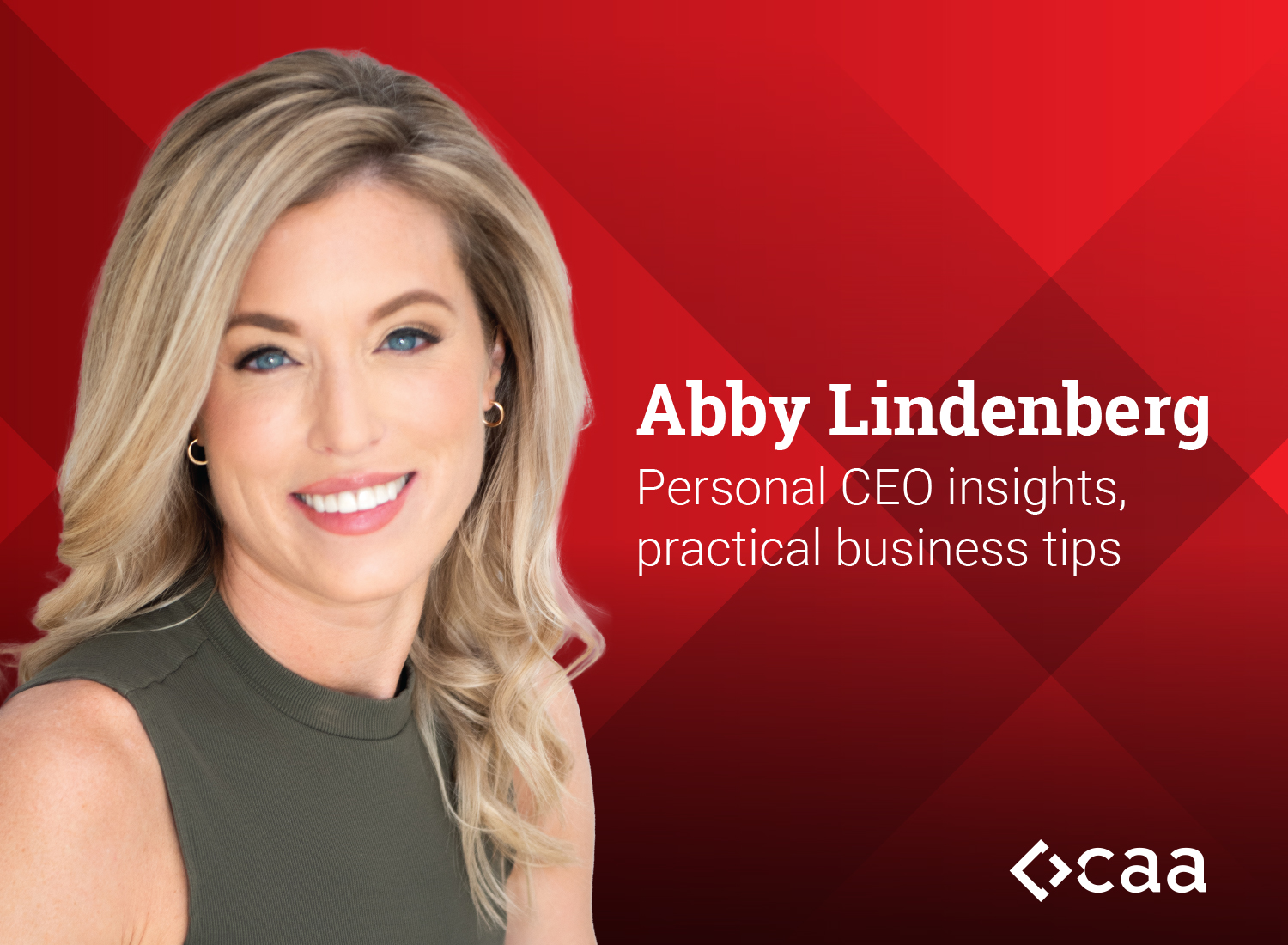
Abby Lindenberg is the founder and CEO of media platform caa.

As we enter the season of giving, I’m reminded that gratitude remains one of the most underrated yet powerful tools in a leader’s toolkit. Thanksgiving naturally encourages reflection, but for those of us guiding teams and organizations, it becomes more than a momentary pause — it becomes an invitation to reconnect with purpose.

In the rush of quarterly goals, client meetings, deadlines, and constant change, it’s easy for leaders to overlook the everyday wins that move us forward. This season nudges us to slow down, look beyond the metrics, and recognize the people, values, and experiences that shape our success. At caa, where our mission centers on thoughtful business reporting and meaningful engagement with local leadership across key markets, this reflection feels especially timely.

When I look back on our journey, the challenges we’ve faced and the resilience we’ve built, there are three qualities I’m most grateful for in my team and in our culture: adaptability, curiosity, and dedication. These traits have not only enabled us to grow as a company but have strengthened the way we deliver insights to the communities we serve.

Adaptability

Any company approaching its first decade knows that the early years can feel like riding a roller coaster. For us, that roller coaster included a global pandemic that reshaped how business is done, the rapid emergence of AI transforming how information is gathered and shared, and the usual growing pains of building something new in a fast-moving world. 

Yet, whenever I speak with fellow CEOs and business leaders across the cities we cover, I’m reminded that our version of the ride has been far gentler than many. The difference — the stabilizing force — has been our team’s adaptability.

Adaptability is more than reaction. It’s a mindset. It is the willingness to welcome new ideas without fear, to pivot when the market demands it, to evolve alongside technology rather than resist it. This flexibility allows us to stay competitive in the economic-development and business-intelligence space. It empowers us to innovate how we conduct interviews, analyze data, and present trends to our global readership. I’m profoundly grateful that adaptability is baked into our company’s DNA. It keeps us resilient, creative, and open to the next opportunity.

Curiosity

Curiosity is a value that has shaped my personal and professional life. I didn’t grow up with a strong culture of travel, but something in me was always drawn to the wider world. That drive led me to study abroad, and eventually to spend 10 years living overseas after college. Curiosity pushed me to experience the world’s tallest towers and its most remote islands. It taught me to ask questions, seek context, and embrace perspectives different from my own.

At caa, I see that same passion in my team every day. Curiosity is essential in our line of work. It guides the interviews our content managers conduct with local government officials, CEOs, industry experts, and community leaders. It ensures the articles and annual reports we produce offer depth, relevance, and clarity for readers making investment decisions or exploring regional business trends. It shows up in brainstorming sessions when everyone is leaning in, debating ideas, and scratching that itch to understand more.

Curiosity is also what allows us to stay ahead in a rapidly evolving business landscape. It keeps us engaged with new economic developments, policy shifts, innovation trends, and community priorities. I’m grateful to lead a team that approaches every conversation and every market with a genuine desire to learn.

Dedication

If adaptability drives agility and curiosity sparks innovation, dedication is what grounds all of it. I’ve always believed that if you’re going to do something, do it right. That philosophy runs deep within our organization. Dedication is visible in the way our content managers prepare for each interview, ensuring they understand the industries and leaders they’re engaging. It’s seen in the tireless work of our executive directors who build relationships in the cities we cover and bring entire communities together at our events. It’s demonstrated daily by our managers who lead with consistency, reliability, and heart.

One of the proudest moments for any leader is realizing the team can operate seamlessly without you in the room. That’s when you know dedication is not just a value, it’s a culture. At caa, that culture is powerful, and it’s something that fills me with pride and gratitude.

Of course, my gratitude list extends far beyond these three qualities. I’m thankful for the support we receive from business communities across our markets, for the thoughtful feedback our readers share, and for the future we are building together. But gratitude isn’t a once-a-year exercise for me, it’s a daily practice. Every day offers something to acknowledge, whether large or small.

Gratitude

So here is my challenge to leaders reading this: Take this season to reflect deeply on what you’re grateful for, but don’t wait until next Thanksgiving to do it again. Build gratitude into the rhythm of how you lead. Notice the people, the progress, and the small moments that shape your organization. Because when gratitude becomes part of your leadership routine, everything else becomes a little clearer, steadier, and more meaningful.

Research underway for the latest edition of Invest: Miami

CAA25_Conexio_Banner

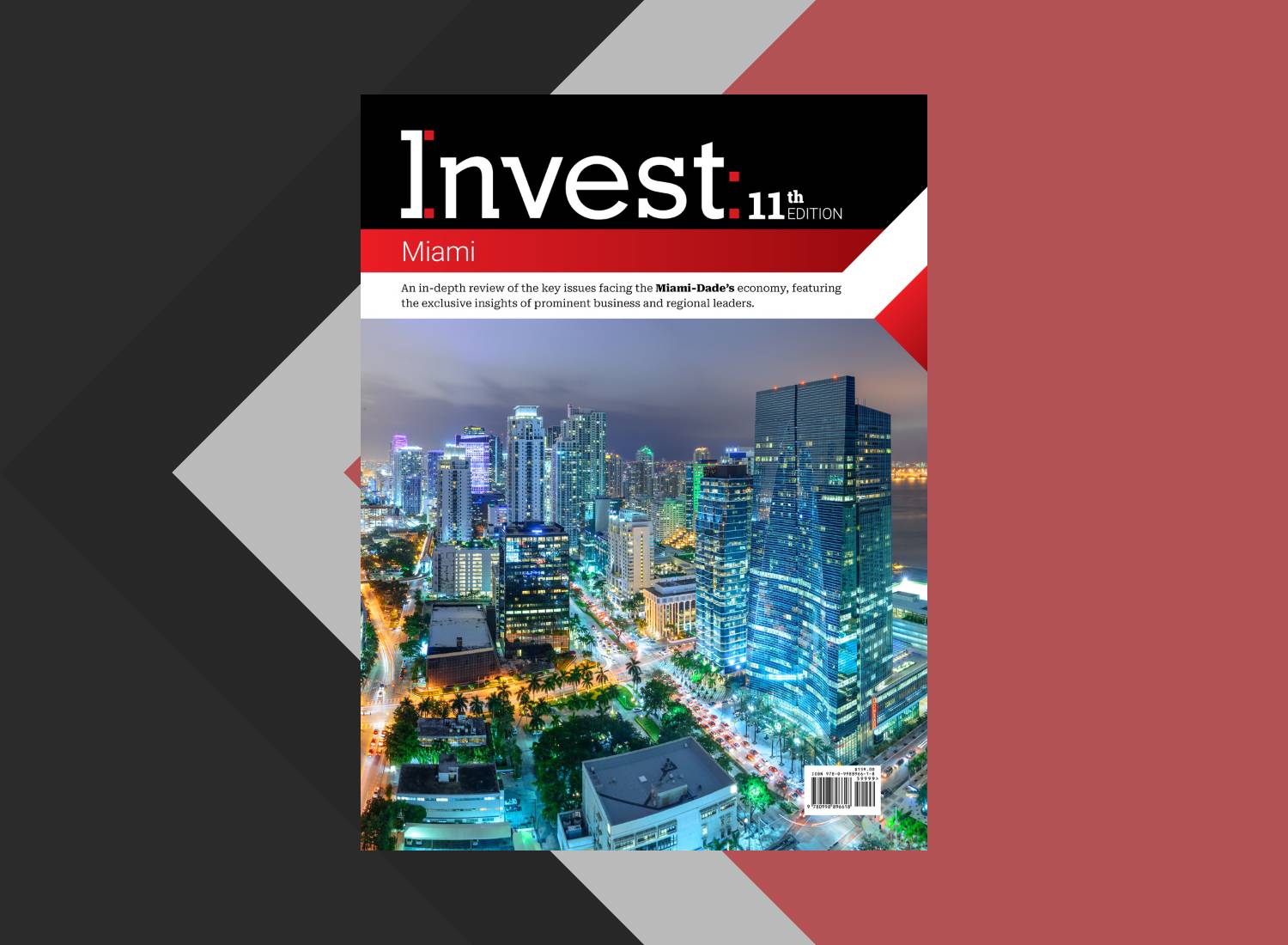
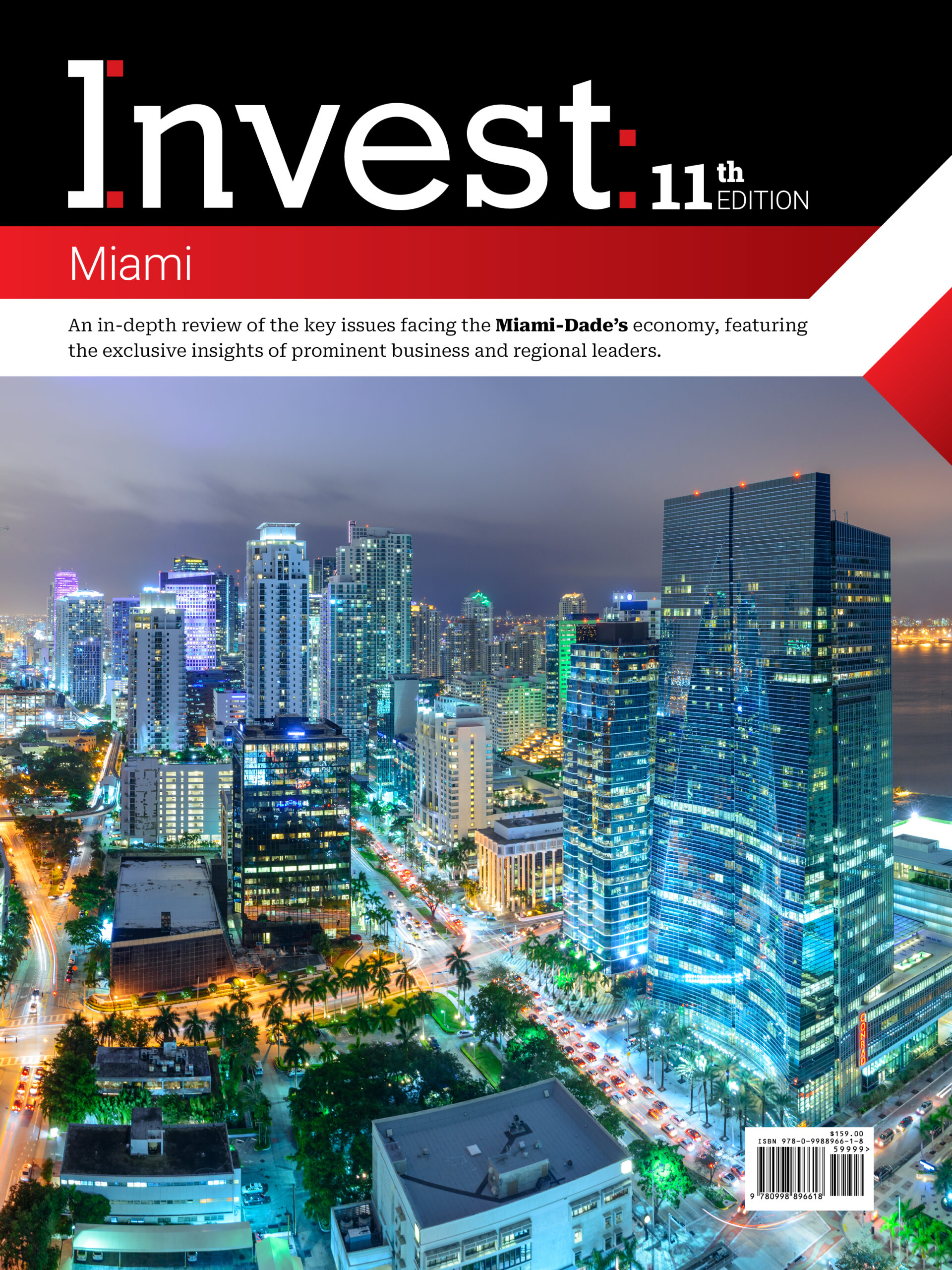
IMIAe11_Cover_Miami November 2025 — While Miami is lauded primarily for its tourism industry, touting miles of beaches, top-tier hotels and restaurants for every palate, it also continues to evolve as one of the Southeast’s most business-driven economies. As the gateway into South America, many industries have planted their flags in Miami, and that strategy has paid off. A strong banking and finance sector, a steady influx of skilled professionals, and growing investment across healthcare, technology, real estate, and aviation drive South Florida. As national and global forces reshape economies, Miami holds steady in its role as a model for regional growth and development.


Join us at caa’s upcoming leadership summits! These premier events bring together hundreds of public and private sector leaders to discuss the challenges and opportunities for businesses and investors. Find the next summit in a city near you!


Currently in production, the eleventh edition of Invest: Miami will bring together insights from more than 200 voices spanning business, government, and education, along with caa’s in-depth analysis of the market’s most attractive industries and emerging economic trends across South Florida.

“As we step into our eleventh year in Miami, our goal to bring real insights to the business and political decision-makers shaping the region’s future hasn’t changed, but it has developed into much more,” said Abby Lindenberg, founder and CEO of caa. “We are becoming a trusted platform at the intersection of business intelligence and strategic collaboration. South Florida is a market where collaboration between research institutions, industry, and government continues to translate ideas into impact.”

According to the U.S. Bureau of Labor Statistics, preliminary data for August 2025 show unemployment rates of 3.7% in the Miami-Fort Lauderdale-West Palm Beach, FL metro area. Meanwhile, according to the Florida Chamber of Commerce, the state anticipated 1.00% to 1.25% annual job growth this year. While a bit on the low side, the projected range fell in line with Florida’s annual job growth pre-pandemic, indicating stabilization after a peak in 2021.

While the region holds steady as the most populous county in Florida with 2.8 million residents, additional data from the Miami-Dade Beacon Council also suggests that the population will decrease to 2.6 million by 2030. That decrease will also impact the workforce, with the number of unemployed residents nearly doubling from 35,629 in 2025 to an estimated 61,198 in 2030.

As Miami looks to balance all aspects of life moving forward, there are also challenges regarding childcare, as 15% of parents in Florida with young children have left the workforce in the past six months, according to the Florida Chamber of Commerce. Additionally, there are also 267,000 disconnected youth, ages 16-24, who are not in school or working. The state is also actively working to tackle education challenges with initiatives such as Future of Work Florida, which is focused on strengthening the talent pipeline, which will enable the workforce to land the high-paying, high-demand jobs of the future.

Invest: Miami will explore these themes and more through exclusive insights from key stakeholders and in‑depth analysis of the challenges and opportunities shaping the Triangle’s economy.

About caa & Invest: Miami

caa is an integrated media platform that produces in-depth business intelligence through its annual print and digital economic reviews, high-impact conferences and events, and top-level interviews via its video platform, Invest:Insights.

Invest: Miami 11th Edition is an in-depth economic review of the key issues facing South Florida, featuring exclusive insights from more than 200 economic leaders, sector insiders, elected officials, and institutional heads. The publication aims to 1) equip local, national, and international investors with comprehensive insights on the region and 2) promote South Florida as a competitive, innovative, and collaborative place to do business.

The report conducts a deep dive into the top economic sectors in the region, including real estate, construction, infrastructure, banking and finance, legal, healthcare, education, and tourism. The publication analyzes the leading challenges facing the market and uncovers emerging opportunities for investors, entrepreneurs, and innovators.

The caa team is currently connecting with stakeholders across the region to gather perspectives and analysis that will define this year’s edition. Invest: Miami is a unique opportunity for the business community to share its story with a national and global audience.

For more information, contact:

Sergio Sandoval

Executive Director

[email protected]

Jerrica DuBois

Senior Editor
[email protected]

Want more? Read the Invest: Miami report.

Subscribe to Our Newsletters

"*" indicates required fields
Address*
Would You Like To Receive Our National Newsletter?*
Interests
Markets
This field is hidden when viewing the form

Hospitals turn to culture and wellbeing as workforce shortages deepen

Writer: Melis Turku Topa

Healthcare_workforce_wellbeingNovember 2025 — Hospitals across the U.S. are beginning to treat the wellbeing of healthcare employees not as a benefit, but as a strategic asset. As labor shortages intensify, culture has become a direct response to risk.


Join us at caa’s upcoming leadership summits! These premier events bring together hundreds of public and private sector leaders to discuss the challenges and opportunities for businesses and investors. Find the next summit in a city near you!


“One of the best ways to win in recruitment is to effectively retain our current employees,” said Nick Barcellona, CFO of WVU Health System, in an interview with Invest:.

Turnover rates show why retention is vital. According to the 2025 NSI Nursing Solutions report, hospital turnover was 18.3% and registered nurse (RN) turnover was 16.4% in 2024. Each 1% increase in RN turnover can cost a hospital about $289,000 a year. That pressure is driving systemwide change.

Workforce shift

The U.S. healthcare workforce is sounding an alarm. Surveys show that over half of healthcare workers plan to change jobs by 2026, while 76% report at least one mental health symptom. In an environment where expertise equals care quality, the retention challenge becomes both financial and operational.

Barcellona highlights the issue across the clinical spectrum:  “We prioritize culture to energize and retain our employees, but the future pipeline is a daunting challenge that will persist across the clinical enterprise — physicians, where the pipeline is acutely strained, nursing, allied health professionals, and administrators. At the same time, employee benefit costs are also rising across all sectors.”

Culture into action

Some health systems are embedding wellbeing into policy and culture. At Empath Health, colleague support is placed at a premium.

“Beyond professional growth, we prioritize colleague well-being. After hurricanes Helene and Milton, we deployed over $500,000 in assistance to help employees with housing, transportation, and emergency needs,” said Jonathan Fleece, president and CEO of Empath Health, in the latest edition of Invest: Tampa Bay.

Support systems like these are becoming models for resilience. They move wellbeing from benefit packages into real-world responses that protect the workforce when it matters most.

Culture as a retention strategy

A growing number of providers treat culture as infrastructure. At Universal Health Services, retention and growth are intentionally linked.

As Marc Miller, president and CEO of Universal Health Services, told Invest:, “Our employee retention and longevity with UHS are a testament to our commitment to meeting them where they are and fostering their professional growth. Promoting from within has been a cornerstone of our success.”

Their approach mirrors national findings. The 2025 Press Ganey Employee Experience report — based on 2.3 million healthcare workers — shows turnover highest among Gen Z at 38%, followed by millennials at 22%. Generational expectations are shifting. Culture, growth-pathways and flexibility are now central to workforce stability.

Investment focus

Employee support research shows workers who feel culturally supported report over 50% higher engagement and are 34% more likely to stay.

Investors and executives are beginning to evaluate culture as part of operational health. The question is shifting away from “do you have wellbeing programs?” to “are wellbeing and culture embedded in daily operations, scheduling, decision-making and leadership models?”

This topic and others were covered on the final panel of Invest: Tampa Bay 6th Edition Leadership Summit, with examples of Tampa Bay’s academic institutions and healthcare systems teaming up to address critical workforce shortages and evolving skill-demands.

Want more? Read Invest: reports.

Subscribe to Our Newsletters

"*" indicates required fields
Address*
Would You Like To Receive Our National Newsletter?*
Interests
Markets
This field is hidden when viewing the form

US trade shifts signal broad economic impacts

IPITe3_Banner_Pittsburgh Zoo & Aquarium

Writer: Mirella Franzese

US_TradeNovember 2025 — When the U.S. introduced major tariffs in April, economists warned it would disrupt global trade norms and weaken growth prospects. But the actual impact on the American economy remains complex, with consequences expected to vary widely across regions.


Join us at caa’s upcoming leadership summits! These premier events bring together hundreds of public and private sector leaders to discuss the challenges and opportunities for businesses and investors. Find the next summit in a city near you!


The U.S. economy is closely tied to trade, and its benefits reach deep into local communities. Expanding the production of goods and services for exports raises American incomes, which make up roughly 20% of the global total, and jobs supported by exports pay up to an estimated 18% more than the national average.

Exports also help lower average production costs through scale, while imports expand consumer choice, keep prices competitive, and increase purchasing power. With 75% of global purchasing power and 95% of consumers located outside U.S. borders, removing trade barriers could boost economic benefits to the nation by an estimated 50%, according to the Peterson Institute.

Regional impact

Trade’s influence is especially visible at the regional level.

In Texas, exports account for nearly 20% of state GDP.  The Lone Star State exported $455 billion in goods in 2024, more than any other state — the Houston-Pasadena-The Woodlands metro contributing $175.5 billion.

In North Carolina, exports sustain thousands of businesses, 87% of which are small and midsize enterprises (SME). As the 15th-largest exporting state, North Carolina shipped $42.8 billion in goods in 2024, including $40.2 billion in manufactured products. 

Florida also depends heavily on global markets. With 16 ports in Florida, the state has access to 96% of the global market, including Brazil – its largest export destination. In 2024, Florida exported $6.1 billion in goods to Brazil, followed by $5.3 billion to Canada, $4.5 billion to Mexico, $3.8 billion to the United Kingdom, and $2.5 billion to the UAE. 

Overall, the state exported a record $72.2 billion of goods, supporting 4.5% of state GDP.  

On the import side, Florida remains the largest consumer market in the country, accounting for 40% of total demand. Imports destined for Florida reached $117.2 billion in 2024, a 4.2% increase compared to the previous year. Key imports included electrical machinery, vehicles, industrial machinery, petroleum products, and medical supplies — inputs that support major sectors such as transportation, construction, manufacturing, and healthcare. 

In Pennsylvania, foreign direct investment is a major source of employment. According to the latest available data from 2022, foreign companies employed 343,600 workers, or 6.4% of the state’s total private sector workforce.

In Tennessee, strong tech-sector growth has driven cross-industry expansion. Manufacturing accounted for $36.4 billion of the state’s $38.9 billion in exported goods in 2024, including significant output in computer and electronic products.

Lingering effects

This year’s tariff policies have disrupted trade flows and discouraged international commerce, as exports have not kept pace with the surge of front-loaded imports. From January through July, U.S. imports increased as companies rushed to place orders early ahead of tariff implementation.

According to the U.S. Bureau of Economic Analysis (BEA), the goods and services trade deficit increased 30.9%, to $154.3 billion, year-to-date, as compared to the same period in 2024. Exports rose 5.5%, to $103.1 billion, and imports grew 10.9%, to $257.5 billion.

The Peterson Institute notes that this reflects a widening gap between national expenditure and national production. 

The overall trade landscape remains volatile. According to the IMF, “temporary factors that supported activity in the first half of 2025—such as front-loading—are fading.”

Imports are expected to decline in the near-term – dropping 22%, or $742 billion – and the average effective tariff rate is likely to reach its highest rate since 1941, according to the Tax Foundation.

For small businesses, tariffs have created barriers to entering foreign markets, said Sandra Marin Ruiz, regional director of the Florida Small Business Development Center (SBDC) at FAU.

“What we have noticed…is a significant gap in awareness,” Ruiz told Invest: “Many businesses do not consider international trade as a viable avenue for growth.”

Trade agreements, product restrictions, and logistics costs often discourage companies from pursuing international expansion.

“For newcomers, navigating these complexities can be expensive and challenging,” added Ruiz.

In response to rising economic pressures, the U.S. has begun adjusting parts of its trade policy.

“I found that conditions reflected in large and persistent annual U.S. goods trade deficits, including the consequences of those deficits, constitute an unusual and extraordinary threat to the national security and economy of the United States that has its source in whole or substantial part outside the United States,” announced President Donald Trump in a White House press release.

Still, even with recent shifts, earlier tariff actions have already set off major economic shifts in motion expected to continue through 2026. 

“The tariff shock is further dimming already lackluster growth prospects,” said the IMF in a report. “We expect a slowdown in the second half of this year, with only a partial recovery in 2026… Even in the United States, growth is weaker and inflation higher than we projected last year — hallmarks of a negative supply shock.”

Want more? Read the Invest: reports.

Subscribe to Our Newsletters

"*" indicates required fields

Address*
Would You Like To Receive Our National Newsletter?*
Interests
Markets
This field is hidden when viewing the form

Adapting care models to rising pressures in Philadelphia

IPHLe6_Banner_Philadelphia_Marriott_Old_City_Hotel

Writer: Eleana Teran

Healthcare_PhiladelphiaNovember 2025 — Greater Philadelphia’s health systems are adapting to rising costs, shifting patient expectations, and workforce pressures. Providers are expanding community-based access, modernizing care sites, and leveraging technology to stay efficient while keeping quality and affordability at the forefront.


Join us at the Invest: Philadelphia 6th Edition Leadership Summit! This premier event brings together hundreds of Southeast Pennsylvania and South Jersey’s regional leaders to discuss the challenges and opportunities for businesses and investors. This year’s theme centers on the regional strengths of the eds and meds. Click here to learn more.


The move toward smaller, more flexible care environments is accelerating nationwide. The ambulatory surgery center market is projected to increase to $155 billion by 2034, up from $105 billion today, as outpatient services continue to expand into diverse settings driven by demand for lower-cost and community-based care.

Meanwhile, hospital finances remain strained. Median hospital operating margins, at 3.3% earlier this year, remain below pre-pandemic levels. Hospital performance is improving modestly. The National Hospital Flash Report shows that adjusted discharges, ED visits, and operating room minutes all increased in April 2025 compared to the same period in 2024, but the gains are driven largely by larger hospitals. Facilities with 300 to 499 beds saw margin growth of more than 30%, while the smallest hospitals, those with fewer than 25 beds, experienced continued financial declines. The Northeast and Mid-Atlantic region recorded a 6% and 7% year-over-year margin decrease, signaling persistent structural pressure in this market.

Affordability remains a major concern for both patients and providers. National out-of-pocket health spending averaged $1,514 per person in 2023, in a market where even insured consumers are bearing increasing financial burdens. Employers expect healthcare costs to rise by 6.7% in 2025, driven by wage inflation and higher care volumes. Delivering care that is closer, faster, and less expensive is becoming a competitive necessity.

Join us at the Philadelphia 6th Edition Leadership Summit! This premier event brings together hundreds of Southeast Pennsylvania and South Jersey’s regional leaders to discuss the challenges and opportunities for businesses and investors. This year’s theme centers on the regional strengths of the eds and meds. Click here to learn more.

Health-system leaders are turning to digital tools and artificial intelligence to bridge the gap. Grant Thornton’s State of Work in America survey found that 93% of respondents in healthcare organizations reported that technology has a positive or slightly positive impact on their day-to-day roles.

Healthcare providers are stepping up efforts to improve efficiency and patient access amid pressures. According to Philips’ 2025 Future Health Index survey, 84% of healthcare professionals believe AI can reduce administrative burden by automating repetitive tasks, 78% see it expanding capacity to serve more patients, and 84% believe it can improve access to clinical research.

Invest: spoke with regional leaders in healthcare delivery to hear insights on how institutions are responding to costs and workforce challenges while innovating care models and operational efficiency.

Kert_Anzilotti_Quote_Stack_PhiladelphiaKert Anzilotti, chief physician executive of ChristianaCare and president of ChristianaCare Medical Group

We are thoughtful about creating a healthcare ecosystem that is sustainable. The two most important things are creating access points closer to where patients live and work and making healthcare affordable. We recently opened a neighborhood hospital, a small-footprint inpatient facility with ancillaries and diagnostics, with only 10 inpatient and 10 emergency department beds. Patients don’t have to travel to a large hospital to get the care they need. This is a sustainable model that becomes part of the community, and we think this is the future of creating health care access points. 

We have a large initiative around ambulatory surgery centers. Our operating rooms at our main hospital are in high demand, and a number of those surgeries can be performed at a lower cost, and in a more sustainable way, at a smaller location convenient to where people live and work. We have significantly increased our urgent care footprint, up to 14 locations, spanning across Delaware, Maryland and Pennsylvania. All these access points are less congested, easier to access, and provide care at a lower cost and in a more sustainable way.

Shelly_Buck_Quote_Stack_PhiladelphiaShelly Buck, president of Riddle Hospital

Over the past year, there have been significant changes in the region’s healthcare landscape. A local healthcare system closed its doors, and about two years ago it had already begun to decrease access. In response, we started preparing for a possible closure, even as we moved forward with a master campus modernization plan that aimed to transition care into our newer facilities. As part of that plan, we built a new pavilion with 78 private acuity-adaptable beds, 10 new operating rooms, a new labor and delivery suite, and two new C-section rooms.

The future of healthcare is changing. Sites of care will continue to evolve and move outside of acute care hospitals. As care delivery and processes improve, I believe it is important to keep finding ways to help people heal in spaces outside of the hospital. At the same time, we need to advance care for higher-acuity and sicker patients, particularly in community hospitals.

As I look across the healthcare sector and the many opportunities we have to do things differently, I get really excited. People want to heal at home, and most of them don’t want to come to the hospital. There is real value there that has yet to be fully tapped into.

Marc_Miller_Quote_Stack_PhiladelphiaMarc Miller, president & CEO of Universal Health Services

For us, it’s about meeting patients where they are or where they want to be. We are actively pursuing various expansion opportunities, particularly in outpatient settings.

We are also expanding our inpatient care offerings due to continued growth and demand. UHS recently opened a new hospital (West Henderson Hospital) in southern Nevada, its largest U.S. market, which has had a strong start. Another hospital (Cedar Hill Regional Medical Center GW Health), the first new one in Washington, D.C. in 25 years, is also performing well and meeting a significant community need. UHS plans to open its latest acute care hospital (Alan B. Miller Medical Center) in Palm Beach Gardens, Florida, in April 2026. This expansion reflects a commitment to meeting inpatient consumer needs and demand in various locations. 

On the behavioral health side, UHS is not only adding new beds in some of its 200+ U.S. facilities and over 100 U.K. facilities but also expanding outpatient programs. These programs include various types of group therapies, intensive outpatient programs, and substance use disorder treatments. There is a continuous need for increased services, and UHS is committed to enhancing its long-standing presence and offerings in this area.

Arsen_Ustayev_Quote_Stack_PhiladelphiaArsen Ustayev, CEO of CareChoice

One of the biggest challenges is funding. The rates we are reimbursed by insurance companies have barely changed over the past 10 years, while the cost of living keeps rising. We want to pay caregivers more, offer strong health insurance, retirement plans, dental coverage, paid time off, and sick time. All of that creates a significant overhead burden, and shrinking margins make it harder to run a high-quality business.

Pennsylvania faces an additional issue. Reimbursement rates here are roughly 20–30% lower than in neighboring states like New Jersey, New York, and Ohio. That puts companies like ours at a disadvantage and makes it more challenging to sustain a strong caregiver workforce. Through state associations, we have been pushing for rate increases so we can continue to invest in our teams and maintain quality care.

We are leaning into technology to respond to these pressures. We have moved to electronic onboarding so caregivers no longer have to come into the office to complete stacks of paperwork. Training and orientations are increasingly remote and digital, which speeds things up. We are also implementing AI for after-hours call answering so our staff can go home at the end of the day and spend time with their families, while clients still receive support around the clock. These tools help us stay resilient and efficient despite the economic and workforce challenges.

Want more? Read the latest Invest: Philadelphia report.

Subscribe to Our Newsletters

"*" indicates required fields
Address*
Would You Like To Receive Our National Newsletter?*
Interests
Markets
This field is hidden when viewing the form

Spotlight On: Jennifer Wehring, Executive Director, Morristown Partnership

Jennifer_Wehring_Spotlight_OnNovember 2025 — The Morristown Partnership’s proactive approach aims to adapt the city’s infrastructure to meet the changing needs of its workforce, said Executive Director Jennifer Wehring. In an interview with Invest:, Wehring also touched on the top goals for the Partnership in the coming years. “It’s about building on Morristown’s strengths and pursuing new opportunities,” she said.


Join us at caa’s upcoming leadership summits! These premier events bring together hundreds of public and private sector leaders to discuss the challenges and opportunities for businesses and investors. Find the next summit in a city near you!


What changes over the past year have most impacted the Morristown Partnership?

Over the past year, the greatest change impacting the Morristown Partnership SID has been the increase in growth throughout downtown, which has created a clear rise in demand for services. As new residents, employees, and visitors continue to choose Morristown, the SID has updated its membership to reflect new development and is delivering visible improvements such as sidewalk cleaning, light pole repainting, and beautification projects. We are also developing new programs to meet this growing demand, from enhanced services to event programming, while supporting quality of life through initiatives in partnership with the Town and the Morristown Bureau of Police.

At the same time, hybrid work schedules and corporate relocations have reshaped weekday traffic patterns and changed how people move around downtown. Because more employees and visitors are walking, biking, and using transit, the Partnership is investing in the downtown experience to ensure that streets, sidewalks, and public spaces feel safe, welcoming, and accessible. Infrastructure changes, including traffic pattern adjustments near NJDOT 287, have supported these habits, and our focus is on matching that evolution with services that make navigating and enjoying Morristown better for everyone.

Today, Morristown is home to approximately 20,000 residents, 21,000 employees, and nearly 3 million annual visitors, creating a combined daily population of nearly 45,000. This continued growth reinforces the vitality of the district and underscores the Partnership’s role in ensuring that Morristown remains a thriving destination for residents, businesses, and visitors alike.

How are the private and public sectors working together to achieve common goals?

Our community, businesses, local government, and administration have been at the forefront of making sure projects move forward in Morristown. The local planning and zoning process ensures that investments meet community needs. An affordable housing trust fund applies to all projects, requiring developers to contribute to new affordable housing in town. Through redevelopment projects, 1% is allocated to the arts, funding public art installations downtown.

When appropriate, PILOT programs are considered to create additional resources for Morristown. Developers and the town also partner on infrastructure improvements like sidewalks and utilities that benefit residents, employees, and visitors. Corporate partners give back by volunteering and supporting the nonprofit community, which strengthens the quality of life. When these incentives are used appropriately, they help bring new resources into Morristown that are reinvested locally in the arts, housing, and infrastructure. These efforts also align with regional priorities, strengthening Morristown’s role as a hub that supports the county and state.

What is the main goal of your organization?

Our role in Morristown is to create and sustain strong connections among local stakeholders, including property owners, businesses, residents, and community organizations. We bring people together through events, initiatives, and partnerships that directly strengthen downtown. The strength of the Partnership comes from these relationships, whether it is working with the town on public improvements, supporting local nonprofits, or collaborating with property managers and business owners to address shared challenges.

While our focus is Morristown, we recognize that our downtown’s success is closely tied to the region. We maintain strong ties with Morris County’s economic development agency, the chamber, and statewide networks such as Downtown New Jersey because activity in nearby communities has a direct impact on our own. Ultimately, our goal is to connect people and organizations in Morristown while leveraging regional partnerships to ensure our downtown continues to grow and thrive.

What would you consider to be the top priorities or goals for Morristown over the next two to three years?

We focus on preserving our historic community while embracing new investment. George Washington spent two winters here, and that history remains deeply valued even as significant corporate investment has made Morristown increasingly attractive to new residents from Manhattan, the boroughs, and beyond.

Our top goals for the next two to three years include targeted recruitment for vacancies, closer collaboration with property owners and brokers, and enhancing the downtown experience through activation, beautification and quality-of-life improvements. Retail and office activity are closely connected: a lively retail and entertainment scene supports the daytime workforce, and a strong office presence sustains local businesses in return. Morristown offers office solutions for every user, from corporate to shared and creative spaces, and that strength creates opportunity for continued growth.

The Partnership’s role as a connector will remain essential to ensuring retail, office, and community priorities move forward together. Downtown Morristown delivers workforce access, transit, culture, and amenities within steps of the historic Green, positioning us strongly for the future.

Want more? Read the Invest: New Jersey report.

Subscribe to Our Newsletters

"*" indicates required fields

Address*
Would You Like To Receive Our National Newsletter?*
Interests
Markets
This field is hidden when viewing the form