

San Antonio scales water resilience strategy
Key points:
- • SAWS transformed San Antonio from a city dependent on one aquifer into a diversified water system supported by multiple supply sources.
- • Water security now plays a direct role in economic development, corporate site selection, and long-term growth planning.
- • Utility leaders must balance billions in infrastructure upgrades with affordability concerns for residents.
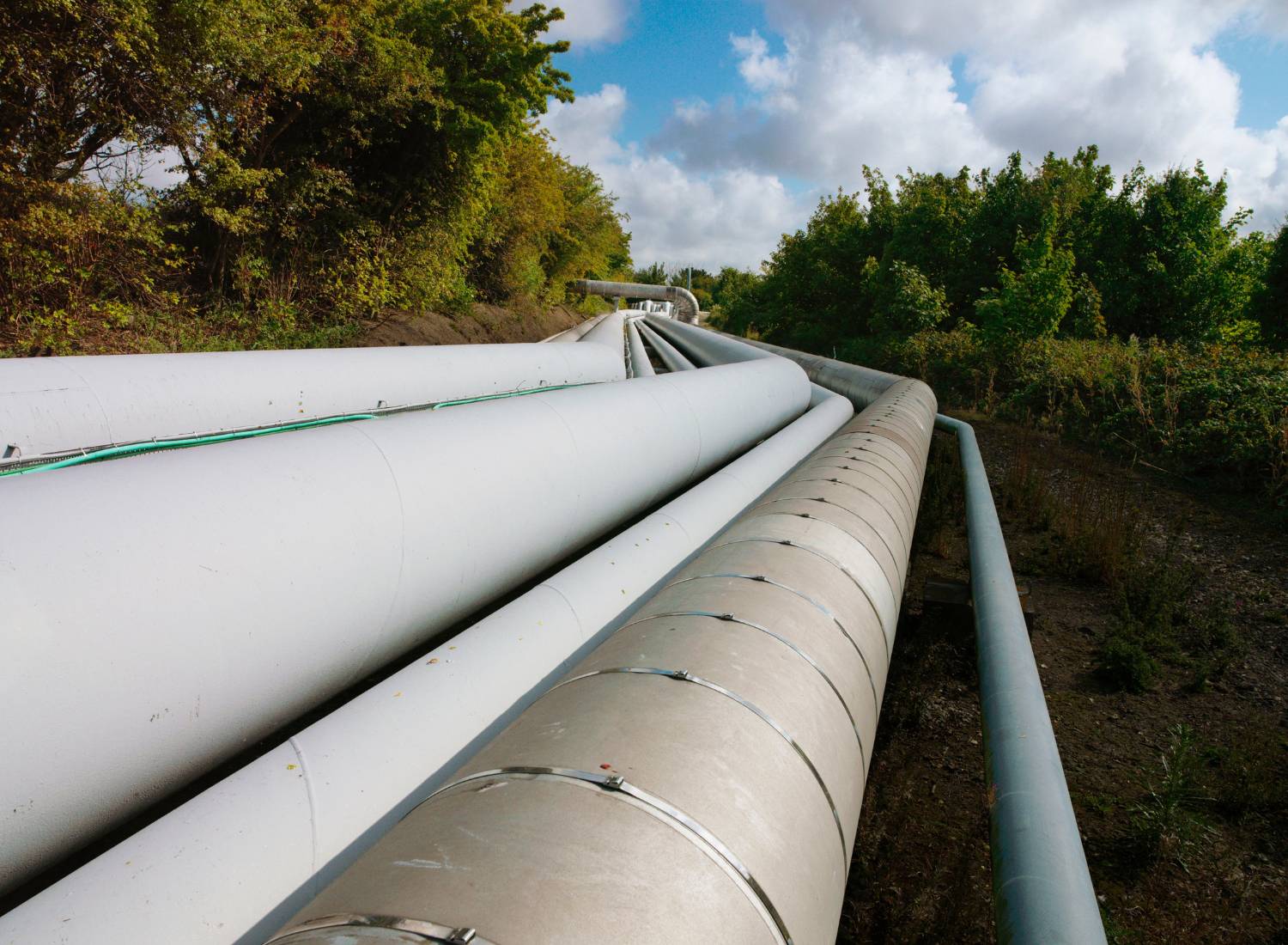 June 2026 — San Antonio’s water resilience strategy has become a competitive economic asset as drought conditions intensify across Texas and water availability increasingly influences investment decisions. The city’s decades-long push to diversify supply sources and reduce consumption has helped position San Antonio as one of the state’s most water-secure major metros.
Join us at caa’s upcoming leadership summits! These premier events bring together hundreds of public and private sector leaders to discuss the challenges and opportunities for businesses and investors. Find the next summit in a city near you!
“There is an increased need to diversify water resources,” John Beckham, managing director of the North American Development Bank told Invest:. “San Antonio is ahead of the game in that regard, but some communities south of San Antonio, including business and trade partners in South Texas and northern Mexico, are not as far along in investing in better utilization of their water resources.”
San Antonio Water System, known as SAWS, spent more than 15 years building a framework designed to withstand drought, population growth, and climate volatility. That strategy emerged from a critical turning point in the early 1990s when concerns about overreliance on the Edwards Aquifer forced policymakers to rethink the region’s long-term water future.
Today, the Edwards Aquifer supplies roughly half of San Antonio’s water needs. Alternative sources now provide the balance through projects that include the Regional Carrizo Project, the H2Oaks desalination facility, the Vista Ridge Pipeline, aquifer storage and recovery systems, recycled water programs, and additional groundwater resources.
SAWS has described the shift as a deliberate effort to combine conservation, diversification, and regulation into a single long-term management approach. The result has been a significant reduction in water consumption. Per-capita daily water use fell from approximately 225 gallons in the mid-1980s to a record-low 111 gallons in 2025, among the lowest levels reported by major Texas cities.
That progress has become increasingly important as drought conditions persist across large portions of Texas and the broader Southwest.
The city’s experience also aligns with broader concerns emerging across the business community. According to an analysis from Environment+Energy Leader, water availability has become a growing factor in industrial site selection, capital planning, permitting timelines, and long-term operating costs as companies evaluate expansion opportunities in water-stressed regions. Water access increasingly ranks alongside labor, logistics, and energy availability in major location decisions.
Water as an economic asset
Water security carries direct economic implications for San Antonio. Local leaders frequently cite reliable water access as a critical advantage for attracting employers, developers, and investors. The issue gained urgency years ago when business leaders expressed concern that prolonged water uncertainty could undermine growth prospects and discourage corporate investment.
“San Antonio is open for business, but growth must happen in a way that does not place strain on existing utilities and infrastructure,” said Brett Finley, president and CEO of the Metro SA Chamber. “That includes roadway infrastructure and publicly owned utilities on the water and electric side. Transmission, energy generation, and the sustainability of our water system are all topics of conversation.”
SAWS responded by pairing infrastructure investments with aggressive conservation programs. Water-saving rebates, landscape conversion incentives, irrigation consultations, and affordability programs became central components of the city’s approach.
The utility set a goal of securing 1 billion gallons of annual water savings through conservation programs. The utility reported 1.7 billion gallons of water savings in 2020.
Through SA Climate Ready, San Antonio established a framework focused on climate adaptation, conservation, economic resilience, public health, and resource management. The initiative supports the city’s goal of balancing continued growth with long-term environmental stewardship.
As water availability continues to play a growing role in development and investment decisions, regulators in several states have increased scrutiny of long-term water supplies for major projects, particularly in manufacturing, semiconductor production, logistics, and data centers. Earlier this month, Gov. Abbott directed Texas regulators to evaluate the impact of large data centers on local infrastructure and natural resources, including water supplies.
The next infrastructure challenge
Success has introduced a new set of challenges. SAWS leaders now face growing pressure to maintain aging infrastructure while preserving affordability. The utility estimates more than $3.2 billion in capital projects over the next five years, including major upgrades to water and wastewater facilities.
A rate study conducted by Carollo Engineers concluded that significant increases in water and wastewater rates may be necessary through 2029 to support system health and infrastructure investments.
City Council members have expressed caution, acknowledging the need for upgrades while also recognizing the financial strain many residents face amid broader economic uncertainty. Utilities nationwide face a similar challenge, as water resilience requires substantial capital and ongoing investment in aging pipelines, treatment facilities, storage systems, and drought-resistant supply projects long after initial construction.
Industry observers increasingly point to San Antonio as a model for balancing those competing priorities.
A recent analysis by Texas Water Intelligence examined San Antonio’s water management strategy as a potential model for other Texas communities facing growth and water supply challenges. The report highlighted the city’s efforts to diversify water sources, reduce per-capita consumption through conservation, and pursue long-term planning to support future growth.
The strategy also reflects larger global discussions surrounding water infrastructure. The 2026 United Nations Water Conference identified climate-resilient water systems as a priority area for investment, innovation, governance reform, and economic development. The organization estimates that global water investment needs significantly exceed current funding levels. Beckham said the challenge extends beyond San Antonio.
“We are investing significantly in water delivery and clean water, and in August 2025, we launched a water resiliency fund focused on diversification and conservation. The goal is to increase or optimize supply, so water is used more effectively.” Beckham added.
Want more? Read the Invest: San Antonio report.