
How Metro Atlanta’s specialized districts are reshaping economic development
Key points:
- • Metro Atlanta is attracting record investment through innovation, infrastructure, and workforce development.
- • Projects such as Rowen, Curiosity Lab, and Gwinnett Place are boosting the region’s competitive position.
- • Business and civic leaders see collaboration as key to driving metro Atlanta’s growth.
 June 2026 — Metro Atlanta climbed four spots to rank No. 5 nationally for corporate facility investment in 2025. Georgia set a state record with $26.3 billion in new business investment commitments during FY25, supported by 423 facility expansions and new locations. As companies increasingly weigh workforce, research assets, and infrastructure alongside traditional incentives, regions are competing on a broader set of factors that shape long-term investment decisions.
Join us at caa’s upcoming leadership summits! These premier events bring together hundreds of public and private sector leaders to discuss the challenges and opportunities for businesses and investors. Find the next summit in a city near you!
Metro Atlanta entered 2026 as the Southeast’s most diversified commercial construction market. Industrial rent growth reached 8% over the prior 12 months, the highest among major U.S. markets. Data center construction starts totaled 2.8 million square feet, placing the region among the top five markets nationally. The region is home to 18 Fortune 500 companies and 57 colleges and universities feeding directly into the labor market. That combination is what makes metro Atlanta competitive across multiple sectors at once.
Early 2026 brought another sign of the region’s growing appeal to corporate investors. UCB selected Rowen in Gwinnett County for a $2 billion biologics manufacturing campus — one of the largest life sciences investments in Georgia’s history. The 460,000-square-foot facility is projected to generate more than 330 permanent high-skilled positions, approximately 1,000 construction jobs, and an estimated $5 billion in long-term economic impact. According to UCB, Gwinnett’s collaborative innovation ecosystem was a deciding factor.
Metro Atlanta’s development initiatives are centered on that approach. From Curiosity Lab at Peachtree Corners to the Atlanta Beltline and Gwinnett Place redevelopment, these projects are expanding innovation infrastructure and strengthening long-term competitiveness through what the region builds.
Focus: Atlanta spoke with executives and civic leaders across the region’s innovation corridors to gain their perspectives on business strategy, workforce investment, and long-term economic positioning across the region.
 Melissa Meeker, CEO, The Water Tower
For our campus, I have seen an uptick in people requesting office space with us. The first floor of our building is where we do our programming, workforce development, R&D, and lab work, while the second and third floors are private tenants. We have nine companies on campus. Multiple companies have come forward asking whether we have space, whether we are going to build Building B, and how they can get on campus. I do not know if that means they are downsizing from somewhere else or if they want to be on a vibrant campus. I am going to go with the latter! It is a great trend and really exciting.
It should grow even more with the announcement that UCB has selected Rowen, in Gwinnett County, for its new manufacturing campus. That is a significant investment in the innovation corridor that is growing in the county between Peachtree Corners, Rowen, and The Water Tower.
 Mike Mason, Mayor, City of Peachtree Corners
When Peachtree Corners first became a city, we recognized the need to strengthen and modernize our office and technology ecosystem. Over time, that effort evolved into Curiosity Lab, which today serves as a hub for innovation and emerging technologies.
What makes it unique is that companies can test technologies in a real-world environment. We own the streets, sidewalks, streetlights, and infrastructure within the test area, which allows companies to move quickly from concept to testing. That flexibility attracts organizations working in autonomous vehicles, connected infrastructure and smart city technologies, robotics, cybersecurity, and related fields.
We have seen interest from companies and organizations throughout the United States and internationally. The French American Chamber of Commerce relocated its headquarters to Curiosity Lab, and we have welcomed cybersecurity startups, technology companies, and international delegations interested in seeing how the model works.
The program continues to evolve as new technologies emerge and companies look for places where they can test and refine their products in a practical setting.
 Clyde Higgs, President & CEO, Atlanta Beltline
Many people locally think about the Beltline as a place to walk, spend time with family, and experience joy. That is exactly how we want them to think about it. But corporations and employers view it as a workforce development strategy.
In the days of remote work and trying to get people back into offices, companies can locate along the Beltline and use that as a way to attract employees. We have large companies such as BlackRock, McKinsey, OneTrust, and Intuit, but we also have smaller businesses, restaurants, lounges, and retail shops. Companies are starting to look at the Beltline as a way to attract employees to their place of business, and it has proven to be so.
The Eastside Trail is still the biggest driver because it is the most mature section of the Beltline, but we are encouraged by what we see on the Westside. The Westside is emerging in a significant way, and it has a lot of diversity in the business mix with retail, eateries, restaurants, light manufacturing, and commercial space.
 Joe Allen, Executive Director, Gwinnett Place Community Improvement District
Global Villages remains the guiding redevelopment strategy for the Gwinnett Place Mall site and has been officially adopted by Gwinnett County. The vision aims to create a mixed-use international district that reflects and honors our area’s diversity through housing, jobs, entertainment, culture, and public spaces. Momentum is growing, with nearby properties like Mall Corners, which is now under new ownership, making significant updates, including a new food hall concept. Gwinnett County’s continued investments in the central business district are positioning the mall site as one of metro Atlanta’s most significant redevelopment opportunities. The planned transit center redevelopment will further support a more connected and vibrant district.
Looking ahead, the CID is particularly excited about attracting technology, innovation, and other knowledge-based industries. Continued redevelopment, quality-of-life improvements, and strong regional access position the district to compete for future investment and talent.
Our collaborative approach has been a key factor in Gwinnett’s success in the past, and it will be equally important moving forward. By building upon our strengths in retail, dining, professional services, technology, international commerce, and quality-of-life amenities, we believe Gwinnett Place is well-positioned to remain one of the county’s most important economic centers while evolving into an even more vibrant and connected destination for future generations.
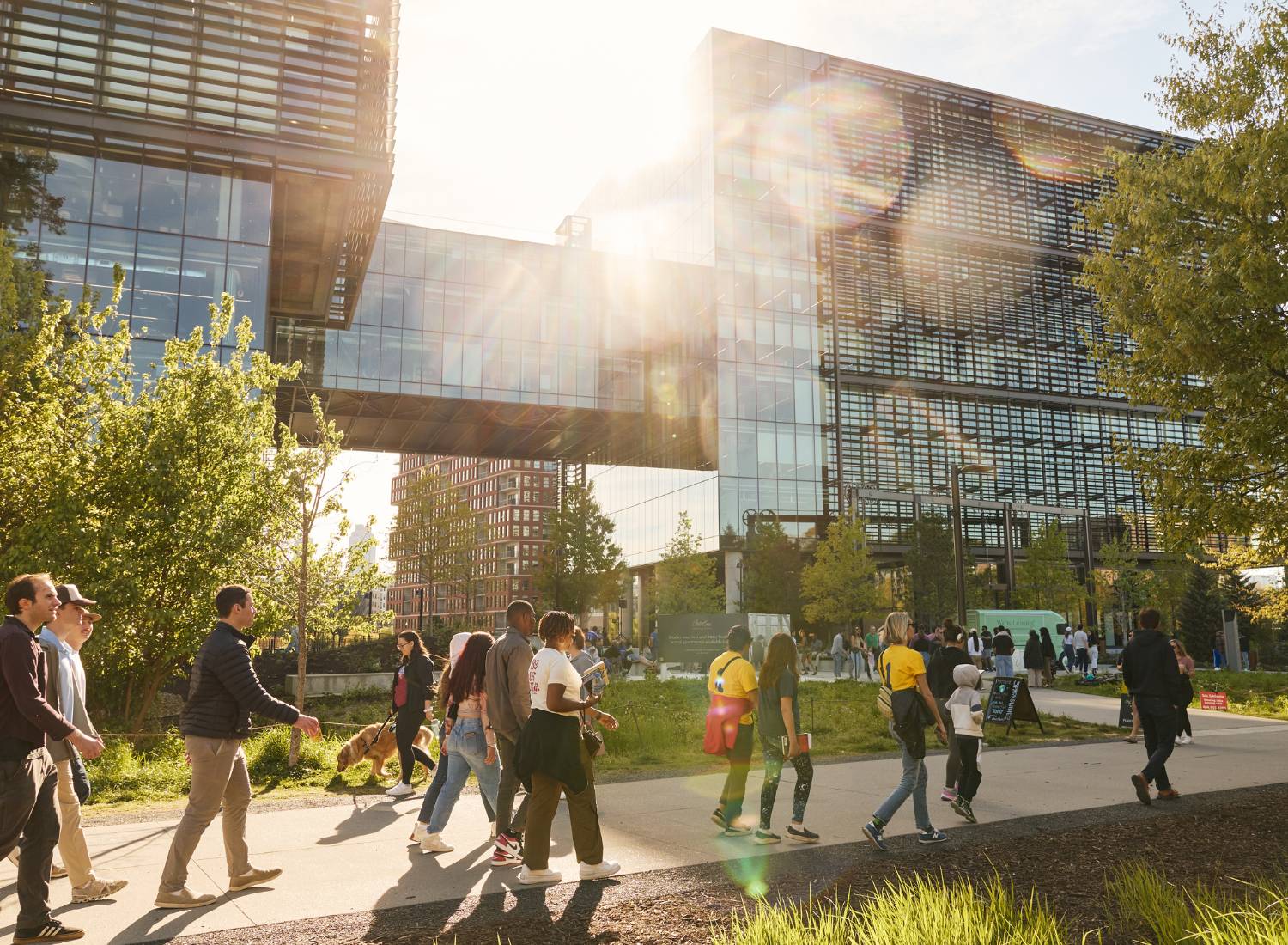
Main photo credit: Atlanta Beltline
Want more? Read the Focus: Atlanta report.