


Spotlight On: Suresh Ramalingam, Executive Director, Winship Cancer Institute of Emory University

Suresh_Ramalingam_Spotlight_OnOctober 2025 — Suresh Ramalingam, executive director of Winship Cancer Institute of Emory University, spoke with Focus: about becoming a worldwide leader in cancer research. “We are winning the war against cancer, and Winship Cancer Institute has played a key role. What we are doing today will make an even bigger impact tomorrow,” Ramalingam stated.

What changes over the past year have most impacted the center, and in what ways?

As a leader in healthcare research and education, Emory has continued to grow in the region as a major contributor in the Southeast United States. In the last year, we have been impacted by the change in the geopolitical environment. There is a shift in focus of the new government as it relates to biomedical research and healthcare. The CDC and NIH are going through a lot of changes. Through all of this, we are proud that our research programs in the Cancer Center span the spectrum of understanding cancer risk factors, prevention, early detection, innovative treatments, and helping cured patients re-incorporate themselves into regular life. As circumstances evolve, we constantly refine and enhance these programs to better serve our patients.

How would you summarize the most meaningful progress at Winship over the past year?

At the heart of everything we do at Winship Cancer Institute is improving the lives of our patients. As we have grown, we have enhanced our patient care programs to improve patient experience. When somebody is told they have cancer, they don’t want to wait for 10 or 20 days to meet their doctor. We make a concerted effort to ensure that patients are seen quickly after they call us. We have significantly bolstered our patient navigation program. When patients call us, an expert will walk them through the initial steps to get them into the system and provide the support they need during a complex treatment journey. We also continue to grow our multidisciplinary programs. To take care of patients with cancer, a team of experts is needed. When patients visit us, they have access to all of our team members at the same visit, from surgeons, radiologists, oncologists, pharmacists, nurses, patient navigation, nutrition, and rehabilitation. On the research side, we have continued to grow. In the past 12 to 18 months, our researchers have published papers on new ways to treat cancers such as multiple myeloma and lung cancer. Our team of researchers has conducted research on new drugs and treatment methods. Our research on improving the effectiveness of immunotherapies has seen incredible advances. We are seeing the impact of our research not only directly helping our patients, but also helping patients worldwide.

How does Winship navigate the challenge of bringing cutting-edge therapies to patients while managing costs and expanding reach?

We not only need to continue to make advances in cancer treatments, but also must ensure that the existing advances reach every patient with cancer. We study barriers that limit patients from getting top-notch care. In addition to financial barriers, health literacy is a common barrier. Infrastructure and logistical barriers, such as transportation, are issues. Our programs are designed to reach patients in different ways to understand their needs and best leverage the resources available in and outside the institution. We launched a mobile prostate screening program that takes screenings to the communities. When detected early, prostate cancer can be cured in the vast majority of the patients. We invested in AI and signed on with a technology platform that helps identify financial resources available to patients, making it easy for our navigators to look across the universe of available resources and tailor them to our patients. With Medicaid expansion still uncertain in Georgia, we remain concerned about its impact on patient access and are exploring ways to mitigate that. We partner with other institutions and stakeholders to continually look at ways to reach our patients.

What areas of cancer research or care delivery hold the most promise for changing patient outcomes in the next few years?

We are in an incredibly exciting time in biomedical research. The advances we’ve seen in cancer care in the past 15-20 years have been transformational. Over 3 million lives have been saved over the past three decades in the United States because of the advances, but more work remains to be done. Prevention is the best form of cancer care. The three biggest risk factors for cancer are smoking, diet, and alcohol. Smoking cessation can result in major decrements in cancer occurrences. What we eat and our level of physical activity affect our risk factors. HPV vaccination is an area of focus. We can prevent cervical cancer and certain forms of head and neck cancer by vaccinating eligible children in their early teens. On the innovation side, we are in the era of AI. We are integrating AI in many ways, such as designing new drugs, driving our biomedical research in our laboratories, accelerating patient care, coordinating patient care, and using data more effectively to inform the care of patients. We must invest in basic science and fundamental, lab-based research that helps us understand how cancer cells behave, what makes them metastasize, and how to overcome deficits in the immune system. We also need to address cancer at a population level, studying the impact of cancer in our communities at a higher level, and how we can intervene.

How do you see Winship expanding its role in supporting patients and families after treatment?

There are many components to survivorship. First is the patient’s ability to integrate back into the regular flow of life. Cancer treatments have financial implications, and many patients are left financially behind. They may also be at risk of other medical problems due to their treatments. Survivorship is a comprehensive approach to address these issues to the best extent possible. Our survivorship programs start with physical rehabilitation, psychosocial counseling, and social work. We also have patient forums where patients can learn from each other. We ensure patients get appropriate follow-up, such as additional scans and blood tests. The goal is to package these elements in a way that is easy for a patient to navigate. We continually learn from our own research and from colleagues across the country to integrate best practices into our workflows.

In the next 5-10 years, how do you envision Winship’s role evolving in shaping not only Georgia’s cancer landscape, but the national conversation on oncology?

Winship’s mission is to discover cures for cancer and inspire hope for our patients. We have grown significantly in the past 10-15 years, and our research has a global impact. We will continue to be even greater contributors to patient outcomes and reduce the burden of cancer worldwide. We have the intellectual ability to lead through the people we have in our cancer programs. Emory University is a top-class institution with experts in many fields that may not directly intersect with cancer, but who can contribute to how we approach cancer. Being part of a world-class institution and health system, in a city with so many partners, allows us to be leaders in the field. Our partners include Georgia Tech, Morehouse, Georgia State, Clark Atlanta University, and Augusta University. These collaborations strengthen research and clinical innovation while expanding our impact beyond Georgia. Winship researchers and clinicians are already on national and international forums, societies, and consensus groups, providing their input into various aspects of cancer research and care. These forums will continue to be leveraged to advocate for the patients we serve. We are winning the war against cancer, and Winship Cancer Institute has played a key role. What we are doing today will make an even bigger impact tomorrow.

What is the importance of collaboration and partnership in cancer research and advancement?

At a time when federal support for biomedical research looks less certain, stakeholders need to come together. This is an opportunity where various groups within Georgia, including the state government, corporate entities, and payers, can come together to accelerate the momentum in the fight against cancer. Cancer affects 40% of all men and a nearly equal number of women. The only way to overcome that is by working together across various boundaries and borders. The onus is on all of us to come together and find innovative ways to support cancer research and care.

Want more? Read the Focus: Atlanta report.

Subscribe to Our Newsletters

"*" indicates required fields
Address*
Would You Like To Receive Our National Newsletter?*
Interests
Markets
This field is hidden when viewing the form

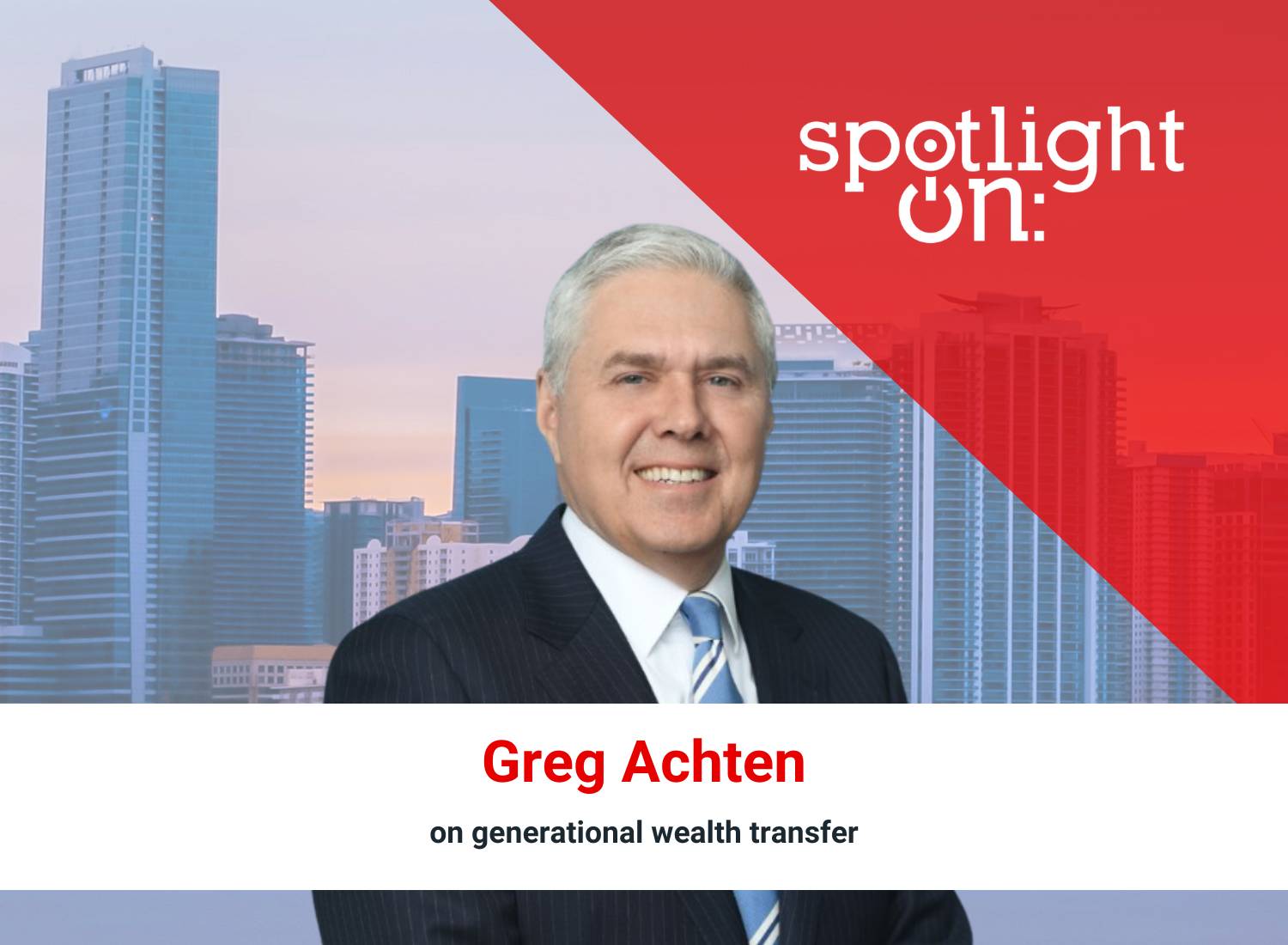
Spotlight On: Greg Achten, Managing Director and Market Executive for the South Market, UBS

Greg_Achten_Spotlight_OnOctober 2025 — In an interview with Invest:, Greg Achten, managing director and market executive for the South Market at UBS, discussed evolving client sophistication, generational wealth transfer, succession planning, and regional growth. “Owners often underestimate how much more value they can realize with proper planning,” he said.

What opportunities and challenges are shaping the South Market today?

The challenges we face are similar to those across the broader wealth management industry. Clients today are far more sophisticated than they were 20 or 30 years ago. In the 1980s, people had to wait for the newspaper or call their advisor just to get market quotes. Now, information is instantly available — real-time quotes, news, and research, all accessible on their phones.

Because of that, the value we deliver as advisors must be more sophisticated as well. The world is more complex, with clients navigating AI, cryptocurrencies, tariffs, and more. Even though clients are more educated and informed, they still need advice and guidance.

Our geography is also a big advantage. People are moving to cities like Atlanta and Nashville, drawn by warmer weather and a high quality of life. These cities are vibrant, growing, and full of opportunity.

How are client expectations evolving, particularly among high-net-worth and ultra-high-net-worth individuals?

Clients today expect more from us. We’re in the midst of a massive generational wealth transfer, with some estimates saying close to $100 trillion will change hands by 2030. Many business owners are preparing for transitions, whether passing the reins to family or pursuing a sale. At the same time, they’re navigating heightened risks like cybersecurity threats and market volatility, largely driven by a handful of stocks. 

Our approach centers on financial planning, focusing on liquidity, longevity, and legacy. Liquidity is about what clients need today to meet day-to-day expenses, longevity addresses retirement and long-term goals, and legacy is about what clients want their wealth to accomplish after they’re gone. This opens the door to more sophisticated conversations, including philanthropy and community impact.

What trends are emerging in succession planning and liquidity events among business owners in the region?

A lot of business owners are often focused on daily operations and growth, but many don’t plan for what comes next. Some assume they know what their business is worth and who might buy it, but that’s often based on assumptions rather than analysis.

There are two types of buyers: strategic buyers, who are in the same industry and want to expand, and financial buyers, like private equity firms, that aim to grow and eventually sell the business. Owners often underestimate how much more value they can realize with proper planning.

That’s where we come in. We provide access to investment bankers, either from UBS or from our network of boutique firms, to assess businesses, identify value drivers, and explore different exit options, such as outright or partial sales, or even ESOPs.

When owners plan early and run a competitive sale process, they often achieve a significantly better outcome.

How are higher interest rates, inflation, and shifting investor sentiment impacting client behavior?

For over a decade following the global financial crisis, interest rates were unusually low, benefiting borrowers, but made it difficult to generate income from fixed-income investments.

Now, higher rates are reshaping the landscape. In high-demand markets like Nashville and Atlanta, tight inventory and higher rates make moving complex. Purchasing a home today likely comes with twice the interest rate it had before. However, higher rates also create opportunities. Clients can now earn 4% to 5% on cash or money market accounts, favoring low-risk positions. 

We expect the Fed to continue lowering rates, which will reduce those returns. As rates fall, cash may re-enter the market. The economy remains strong, and while hiring has slowed slightly, the U.S. remains close to full employment. We continue to see robust corporate earnings, supporting continued equity market growth.

How are clients approaching long-term trends like artificial intelligence, energy transformation, and demographic shifts?

Diversification across asset classes, sectors, stocks and the economy remains essential. 

Artificial intelligence has been a major market driver recently, and companies involved in building AI infrastructure have seen tremendous growth. The key question is how traditional companies will adopt AI for efficiency.

From a diversification standpoint, it’s important not to chase short-term performance. While AI-focused stocks have gained significantly, putting too much into any one area increases risk. 

Our goal is to help clients maintain balanced allocations across asset classes and sectors, managing risk while still capturing long-term opportunities.

How is UBS investing in talent development and advisor growth across the South Market?

We put a strong emphasis on education, both for advisors and support staff. Everything starts with understanding each client’s unique goals, then building a personalized financial plan. That applies whether someone is just beginning to invest or managing a complex ultra-high net worth portfolio.

We’re also investing in technology and AI to improve advisor and client experiences. One of the key teams driving this at UBS is our Smart Technologies and Advanced Analytics Team (STAAT). STAAT provides advisors with detailed insights into client behavior and preferences, enabling more relevant advice and stronger relationships.

We continue to train our teams on financial planning tools, investment strategies, and connecting clients to UBS’s investment banking capabilities, ensuring the best possible guidance and solutions.

What are your top priorities for UBS in the South Market over the next three to five years?

We aim to grow at a measured pace. UBS has around 6,000 financial advisors in the Americas, with almost 300 covering six states in the South Market. Capturing the increasing wealth moving into this region is a priority, as is welcoming new advisors relocating here. 

UBS’s global reach is a significant advantage. When major events occur, we can quickly draw on insights from our teams worldwide and share timely analysis with clients. 

Our focus is to apply global expertise locally, connecting our intellectual capital, research, and platform with what clients are trying to achieve.

How does UBS support clients in achieving their philanthropic goals?

Philanthropy is a key part of legacy planning. We work closely with high-net-worth and ultra-high-net-worth clients to help them shape and implement their charitable goals.

One way we do that is through the UBS Optimus Foundation, which focuses on health, education, environmental sustainability and humanitarian aid. UBS works with social impact and philanthropy partners to provide customized strategies and expert guidance to help clients maximize impact and achieve meaningful, measurable outcomes. If clients want to make significant contributions in these areas, UBS will often co-invest alongside them.

We also help facilitate family conversations about values and legacy. Parents want to ensure their children understand and align on the “why” behind their philanthropic goals. We facilitate those discussions and, in doing so, often earn the trust that leads to long-term relationships.

Locally, we live those values as well. Our teams across the South Market take part in hands-on community projects during the summer as part of our firm-wide “Season of Service.” In 2025, nearly 80% of our employees volunteered with charities, prepared meals, assembled care kits, and more – reflecting our commitment to the communities we serve.

What role does the UBS Tower in Nashville play within the broader organization?

While our focus here has been on wealth management, it’s important to highlight the broader presence UBS has in Nashville. The UBS Tower in Nashville is home to over 1,400 employees supporting the entire U.S. business, including teams in compliance, cybersecurity, financial planning, banking, and other critical functions. Nashville has become a major operational hub and strategic location for UBS, strengthening our success across the South Market and beyond.

Want more? Read the Invest: Nashville report.


The UBS Optimus Foundation is a global network of separately organized and regulated, tax-exempt, charitable organizations, founded by UBS, that make grants and other financial contributions to implementing partner organizations aligned with their values and objectives.

The information contained in this article is not a solicitation to purchase or sell investments. Any information presented is general in nature and not intended to provide individually tailored investment advice. The strategies and/or investments referenced may not be suitable for all investors as the appropriateness of a particular investment or strategy will depend on an investor’s individual circumstances and objectives. Investing involves risks and there is always the potential of losing money when you invest. Investors should be aware that alternative investments are speculative, subject to substantial risks (including the risks associated with limited liquidity, the use of leverage, short sales and concentrated investments), may involve complex tax structures, strategies and may not be appropriate for all investors. Asset allocation and diversification strategies do not guarantee profit and may not protect against loss. The views expressed herein are those of the author and may not necessarily reflect the views of UBS Financial Services Inc.

As a firm providing wealth management services to clients, UBS Financial Services Inc. offers investment advisory services in its capacity as an SEC-registered investment adviser and brokerage services in its capacity as an SEC-registered broker-dealer. Investment advisory services and brokerage services are separate and distinct, differ in material ways and are governed by different laws and separate arrangements. It is important that you understand the ways in which we conduct business, and that you carefully read the agreements and disclosures that we provide to you about the products or services we offer. For more information, please review client relationship summary provided at ubs.com/relationshipsummary, or ask your UBS Financial Advisor for a copy.

© UBS 2025. All rights reserved. The key symbol and UBS are among the registered and unregistered trademarks of UBS. UBS Financial Services Inc. is a subsidiary of UBS Group AG. Member FINRA/SIPC.


Subscribe to Our Newsletters

"*" indicates required fields

Address*
Would You Like To Receive Our National Newsletter?*
Interests
Markets
This field is hidden when viewing the form

Cybersecurity and AI investments set the stage for America’s tech resilience

Writer: Mirella Franzese

Data_centerOctober 2025 — America’s largest bank by assets, JPMorgan Chase, is set to invest $1.5 trillion over 10 years into U.S. industries considered “critical to national economic security and resiliency”, including technologies like AI, quantum computing, and cybersecurity.  

The firm announced it will inject $10 billion into select middle-market and large corporate enterprises in direct equity and venture capital investments. But this investment comes at a time when technology is becoming increasingly ingrained in the American economy, to a somewhat unprecedented degree. 

“Technology is a sector that represents 33% of the S&P 500. The only other time a particular sector represented that high of a percentage was in 2000, when tech was around 30%,” Lawson Allen, president and chairman of Lee, Danner & Bass, Inc., told Invest:

Today’s tech segment is more stable, however, and will likely continue to represent a large part of the market looking ahead, as Allen notes. “Before the dot-com bubble burst, many companies didn’t have earnings but were trading at excessive prices,” he said. “The difference is that today (tech) companies have real earnings and free cash flow.” 

JPMorganChase’s commitment, therefore, highlights a targeted approach to strengthening domestic capabilities in sectors that both the U.S. economy and American investors have become relatively dependent on. 

However, there are growing concerns about national security and competitiveness in tech, and what it will mean for America’s future risk landscape. Cybersecurity is one of the biggest threats to both public and private organizations. 

“We are particularly concerned about the credible threat from nation-state cyber actors to U.S. critical infrastructure,” wrote the U.S. Department of Homeland Security in its 2025 Threat Assessment report

Cyberattacks are now more frequent and more costly, according to an IBM report. In 2025, 97% of organizations reported an AI-related security incident and lacked proper AI access controls, with data breaches costing them an average of $4.4 million. 

In the tech industry, there is added scrutiny and pressure on corporations to deliver returns, which makes safeguarding investments through the protection of infrastructure data and information critical. 

As Allen observed, “Technology will be a part of everything we do moving forward…We’re entering a period when people will ask more about how these companies monetize investments and deliver returns to their shareholders.”

According to PwC’s 2026 Global Digital Trust Insights survey, AI is the top cybersecurity investment priority for companies, as only 6% are considered “very capable” to withstand cyber-attacks across all vulnerabilities.

Cybersecurity’s imperative extends well beyond singular investment concerns; the economic and operational costs associated with breaches are escalating. In the energy sector, which is fundamental for AI data center growth and infrastructure, vulnerabilities pose a threat not only to company assets but also to national resilience.

The energy sector’s integration with AI devices has exponentially increased attack surfaces. For instance, a ransomware attack on a utility could disrupt the power supply, impacting millions and causing widespread economic damage.

“Cybersecurity is a significant concern for electric utility leaders,” said Chris Jones, president and CEO of Middle Tennessee Electric, in an interview with Invest:. “Ensuring the safety of our team and protecting the systems we own, as well as the information of our members and employees, is essential.”

Energy providers also face difficulty with securing adequate talent resources in the cybersecurity field, according to Jones. “The federal government estimates there are more than 500,000 vacancies across the country in cybersecurity-related roles. This is a substantial gap, and the talent pool is not deep enough to meet the demand,” he added.

JPMorganChase’s trillion-dollar investment into cybersecurity and other core competencies, however, does open up possibilities. For investors, this landscape offers significant opportunities in sectors that underpin technological advancements — particularly in cybersecurity solutions, AI platforms, data center infrastructure, and workforce development. And as technology becomes more ingrained in every facet of the economy, cybersecurity measures will be essential for achieving economic resilience, independence, and defense on a national scale.

Want more? Read the Invest: reports.

Subscribe to Our Newsletters

"*" indicates required fields

Address*
Would You Like To Receive Our National Newsletter?*
Interests
Markets
This field is hidden when viewing the form

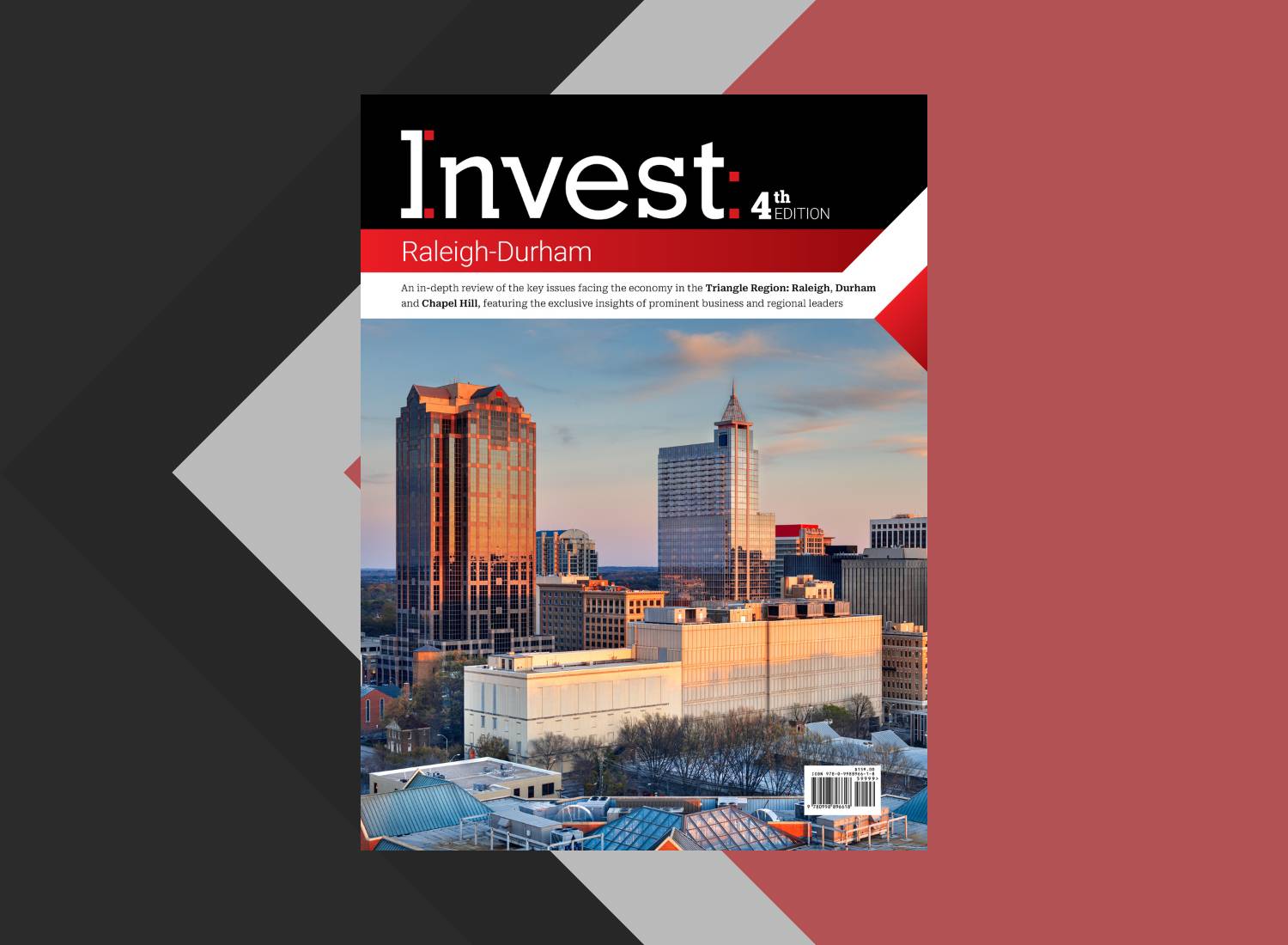
Research underway for the latest edition of Invest: Raleigh-Durham

CAA25_Conexio_Banner

IRDUe4_Cover October 2025 — Raleigh-Durham continues to evolve as one of the Southeast’s most balanced economies, driven by a strong research base, a steady influx of skilled professionals, and growing investment across technology, life sciences, and advanced manufacturing. While growth across the Triangle may be more measured than in other fast-rising Sun Belt metros, its stability, educational depth, and collaborative business environment continue to position it as a model for sustainable regional development.

Currently in production, the fourth edition of Invest: Raleigh-Durham will bring together insights from more than 200 voices spanning business, government, and education, along with caa’s in-depth analysis of the market’s most attractive industries and emerging economic trends across the Triangle.

“Raleigh-Durham’s success is grounded in balance — growth paired with intention,” said Abby Lindenberg, founder and CEO of caa. “It’s a market where collaboration between research institutions, industry, and government continues to translate ideas into impact. That steady, connected growth is what makes this region stand out.’”

According to the U.S. Bureau of Labor Statistics, preliminary data for August 2025 show unemployment rates of 3.5% in the Raleigh-Cary metro area and 3.8% in the Durham-Chapel Hill metro area. Meanwhile, according to the North Carolina Department of Commerce, in 2Q25 the state reported the addition of 75,000 jobs year over year. The Triangle has also recorded steady capital investment, with 225 economic development projects announced between 2019 and 2024, representing more than 42,000 jobs and $27.6 billion in new investment.

Despite softening in some parts of the industrial market, other sectors are showing strength. In 3Q25, the office market recorded 10,780,031sq.ft. of direct office availability. Industrial vacancy has risen slightly, but construction pipelines remain active, and preleasing is healthy as tenants pursue high-quality logistics space. The region’s life sciences sector also continues to attract major investment, including Biogen’s $2 billion expansion in Research Triangle Park and Hatteras Venture Partners’ $200 million funds close — strong signals of confidence in the market’s innovation base. 

Invest: Raleigh-Durham will explore these themes and more through exclusive insights from key stakeholders and in‑depth analysis of the challenges and opportunities shaping the Triangle’s economy.

About caa & Invest: Raleigh-Durham

caa is an integrated media platform that produces in-depth business intelligence through its annual print and digital economic reviews, high-impact conferences and events, and top-level interviews via its video platform, Invest:Insights.

Invest: Raleigh-Durham 4th Edition is an in-depth economic review of the key issues facing the Triangle, featuring exclusive insights from more than 200 economic leaders, sector insiders, elected officials, and institutional heads. The publication aims to 1) equip local, national, and international investors with comprehensive insights on the region and 2) promote Raleigh-Durham as a competitive, innovative, and collaborative place to do business.

The report conducts a deep dive into the top economic sectors in the region, including real estate, construction, infrastructure, banking and finance, legal, healthcare, education, and tourism. The publication analyzes the leading challenges facing the market and uncovers emerging opportunities for investors, entrepreneurs, and innovators.

The caa team is currently connecting with stakeholders across the region to gather perspectives and analysis that will define this year’s edition. Invest: Raleigh-Durham is a unique opportunity for the business community to share its story with a national and global audience.

For more information, contact:

Alina Manac

Senior Executive Director

[email protected]

Jerrica DuBois

Senior Editor
[email protected]

Want more? Read the Invest: Raleigh-Durham report.

Subscribe to Our Newsletters

"*" indicates required fields
Address*
Would You Like To Receive Our National Newsletter?*
Interests
Markets
This field is hidden when viewing the form

Three signs Jacksonville’s economy is outpacing the nation

Writer: Pablo Marquez

JacksonvilleOctober 2025 — Steady population growth, a surge in corporate business relocations, and new construction along the city’s riverfront are indicators of the growth taking place in Jacksonville and Northeast Florida.

Below we highlight these key areas, along with insights from industry leaders in the latest Invest: Jacksonville report that shed light on what makes this metro area one to watch.

Population Growth

Jacksonville and the Northeast Florida area are growing in terms of population. The city of Jacksonville currently ranks No. 15 in the list of the top 20 fastest-growing metropolitan areas in the United States. Post-pandemic, the area experienced rapid population growth. From 2020 to 2022, the population in the city area grew from 949,611 to 971,319 — a 2% increase, while the metro area population expanded 5%, from 1.53 million to 1.61 million. 

Forecasts for growth over the next four years are just as strong. From 2023 to 2028, Jacksonville is expected to grow by 11%, faster than any other major Florida metro as well as state and national averages.

According to data gathering platform Statista, Jacksonville’s population grew 20% between 2010 and 2023, adding 326,701 new residents. That pace picked up rapidly in 2023, when the population reached 1.71 million, adding about 103 new residents per day. The U.S. Census Bureau ranked Jacksonville No.10 nationwide for largest population gains between July 2023 and July 2024. The city was one of two Florida cities ranked on PODS’s list of top cities people are moving to. (PODS is a national moving & storage company, which regularly collects move-in rates in the U.S.)

“With 1,200 people moving to Florida daily, not all can live on the Atlantic or Gulf Coasts; they will need to move inland. Just as Clay and St. Johns counties have grown, we are the next to experience population growth. We are already benefiting from the overall population growth and relocations occurring in Florida,” said Mark Litten, vice president of economic development for the Putnam County Chamber of Commerce, in an interview with Invest:.

Corporate relocations

More than 150 corporate, regional and divisional headquarters now operate in the Jacksonville region. As long as the city continues to offer a favorable business climate, entrepreneurial spirit, a young and skilled labor force, and other competitive advantages, the demand for corporate relocations to the area will likely continue. Another factor is that Jacksonville has close proximity to the logistical infrastructure that facilitates operations for those businesses that operate across state as well as internationally. In 2024, Jacksonville was ranked as the second-hottest job market in the country by the Wall Street Journal. And more recently in July 2025, FloridaCommerce announced the Jacksonville metro area led all metro areas in job gains over the year in the education and health services sector, adding 8,600 jobs in June 2025.  

“Population growth creates opportunity. As new businesses come to Jacksonville, they need a good bank and trusted advisors to take care of them and help them grow. We appreciate all efforts in recruiting these businesses to Jacksonville, viewing it as an opportunity to add value,” said Tim Hamilton, market president and director for Valley National Bank in Northeast Florida, in an interview with Invest:.

Riverfront development

Jacksonville’s riverfront is seeing plenty of growth from new developments. There are multiple parks and public facilities under design or construction that will run throughout the city’s downtown riverfront. 

A primary example of this trend is the ongoing construction efforts of the Riverfront Plaza, a playground and green space along the St. John River bank. New projects are also expected to be underway in the area when the City Council approves the renovated designs for Shipyards West and Metropolitan Park.

Another major development is the construction of the $215 million Four Seasons hotel along the Downtown Northbank, slated for completion in 2026, right across from the Jacksonville Jaguars’ planned ‘Stadium of the Future.’

Update: This article was originally published in September 2024, and it has been updated in October 2025.

Want more? Read the Invest: Jacksonville report.

Update Date: This article was originally published in September 2024, and it has been updated in October 2025.

Subscribe to Our Newsletters

"*" indicates required fields

Address*
Would You Like To Receive Our National Newsletter?*
Interests
Markets
This field is hidden when viewing the form

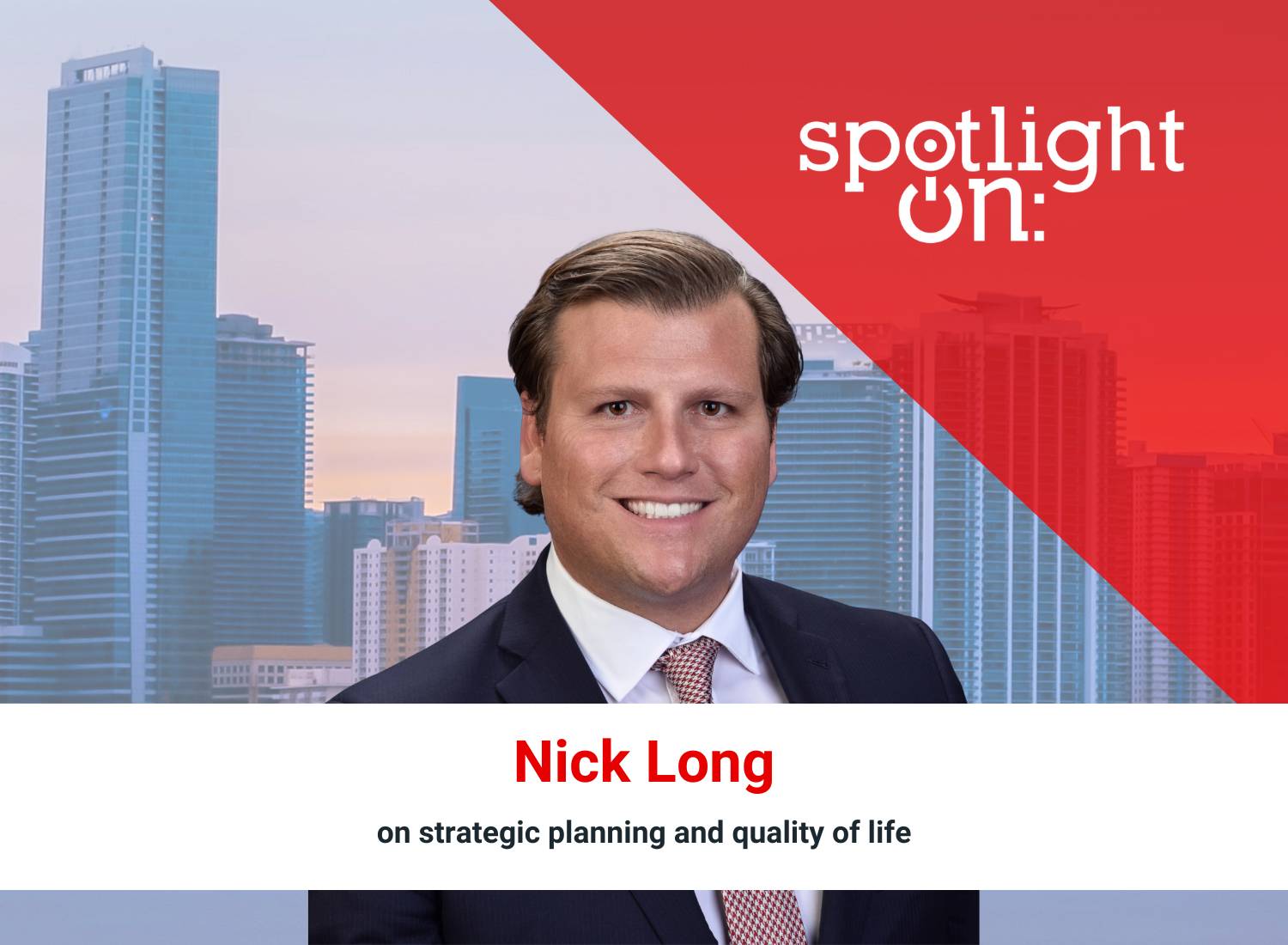
Spotlight On: Nick Long, Mayor, League City

Nick_Long_Spotlight_OnOctober 2025 — For Nick Long, the mayor of League City, to grow sustainably is a concept that goes beyond just the environment. “We need to make sure that the infrastructure is high quality” and the cost of it is “not being subsidized by the taxpayers so that we can continue to lower the property taxes,” he said to Invest:.

What are some of the main highlights, any key milestones for the city this past year?

It was another busy year. We put a little bit over 1,200 homes on the ground. We expect to do between 1,200 and 1,400 again this year. It’s a pretty robust growth, and that will continue between 1,000 and 1,500 homes for about another decade. With that rapid growth, we’re reinvesting in drainage and transportation. Those are the two big things: building out the roads and continuing to work on the interconnectivity back to Houston and Harris County.

We’re also working on a large bridge project going over Clear Creek, which will help with the overall connectivity, and then continuing to work on bringing forward the Grand Parkway, which is the biggest transportation issue that we’re dealing with right now.


Join us at the Houston 2nd Edition Leadership Summit! This premier event brings together hundreds of Houston’s business and regional leaders to discuss the challenges and opportunities for businesses and investors. This year’s theme centers on Houston’s role as a leader in world innovation. Buy your ticket now!


Could you share with us some of the primary objectives of your strategic plan?

On the development side, we’ve spent a lot of time in the last couple of years making sure that new development pays for itself and that we’re allocating enough money toward transportation, drainage, and infrastructure to support that new development. The whole southwest side of the city is being developed. We’re only about 60 % built out. The population right now is around 120,000, and at peak build-out, we’ll be somewhere around 225,000. There’s still a lot of room to grow there. But as we’re developing that Southwest side, we’re working not only on housing and transportation but also preparing the Grand Parkway for commercial centers as well. Everything from light industrial to commercial and office space will go on the Grand Parkway and the I-45 area.

Are there any additional ways in which League City is working to enhance the quality of life for these residents?

Quality of life comes in a variety of different pieces. Transportation and drainage are a big part of that. But we’re also working with various partners on grid resiliency and have recently done a couple of projects to move that forward. Quality of life can also mean parks and recreation. So, working on building new ball fields and parks for children, but then also passive nature parks, which serve two purposes. One is to preserve green space and some recreation, but then also help with drainage and preserve green fields that can serve the drainage purposes as well.

Can you discuss the programs in place to encourage entrepreneurial activity here in the city?

We’ve repurposed some of our real estate throughout town that is owned by the city for the development of business incubator space, which has been successful. It spawned a couple of businesses that started small, and now they’ve grown to mid-size businesses related to everything from biosciences to aerospace. It has also given people an opportunity, with lower cost for rent, to start those businesses here. As they grow and develop, they move out of the developer stage to do commercial real estate around the city and create jobs and innovation. The city has also been focused on supporting local businesses and setting up our purchasing requirements to incentivize the city to use local businesses where we can.

Are there any specific partnerships to align and support the workforce skills needed for the businesses in place?

It’s generally a pretty highly educated workforce, with a lot of engineers in both aerospace and petrochemicals. For us, it’s about making sure that those people move back to League City, and they start their life here and develop that out. At the same time, we’ve been working with UTMB through their expansion in League City to develop the commercial projects that appeal to people who are coming into the residency program at UTMB. We are also looking to build out a city center that’s integrated with the new UTMB campus on some of our land, where it would be commercial and residential, bringing in restaurants and shops to service that large expansion by UTMB.

What distinguishes the city from other cities nearby?

We look at that as a big part of the Grand Parkway coming through. Our part of the Grand Parkway, being the furthest Southeast point, connects the three major ports in the Houston area: Freeport, Galveston, and Houston. It’s about equal distance from all three. We look at it as an opportunity for some light industrial and corporate headquarters that rely on those ports to be located in Houston. It gives us a geographic advantage and the ability to move between those three ports. That’s where we think we can develop that industry further.

How are you ensuring affordable housing options and workforce housing?

I think we look at it a little bit differently. There’s a variety of housing options throughout the Houston area, and they are certainly more affordable. We’re probably targeting more of the higher-end to upper-middle type housing. That speaks to the quality of the school district. Clear Creek is looked at as a top performer throughout the Houston region, and it drives that premium in the area.

As we’re going towards build-out, that land just becomes more and more expensive. The housing stock is going to be from about $450k to $750k, more in that range. Not really workforce housing or a starter home, but I would say your second home, for people that are a little bit more established in their career and a little bit maybe starting their families out. That’s what we’re targeting, and I think for workforce housing, there are better locations that are throughout the Houston area.

How are you collaborating with other municipalities, with the county, and with the state to continue to push forward improvements for the region?

There are so many little cities like ours and the big one to the north of us. A lot of the problems we have to tackle are in conjunction with other cities and counties. We’re in two counties, Galveston and Harris, and we work with those pretty closely on a variety of issues, whether that’s transportation or drainage. Those two issues particularly can only be solved in conjunction with the larger entities and with everybody working together. We work a lot with Harris County Flood Control, and we do the same thing with Galveston County. They’ve been good partners in moving those projects forward. We also work closely with BAHEP, Bay Area Houston Economic Partnership, on the economic development side to particularly target industries and work with what the future is going to be and where that’s going to stand.

What is your outlook for the city, and what are some of your top priorities for the next couple of years?

Our top priority is to grow responsibly and sustainably, and not from an environmental side, although that’s part of it. What I mean is that as we’re growing these subdivisions, putting them in, we need to make sure that the infrastructure is high quality, that the codes are set in such a way that it’s not going to increase flooding, and that the economic incentives are set up in such a way that new development pays for itself. It’s not being subsidized by the taxpayers so that we can continue to lower the property taxes; not only the rate, but the actual dollar amount people are paying. Also, having it built in such a way that we’re not taxing people out of their homes, and that high-quality government services are still being provided. We have to provide the services that people value and still create that cohesive community without putting an undue burden on the taxpayers.

Want more? Read the Invest: Houston report.

Subscribe to Our Newsletters

"*" indicates required fields
Address*
Would You Like To Receive Our National Newsletter?*
Interests
Markets
This field is hidden when viewing the form

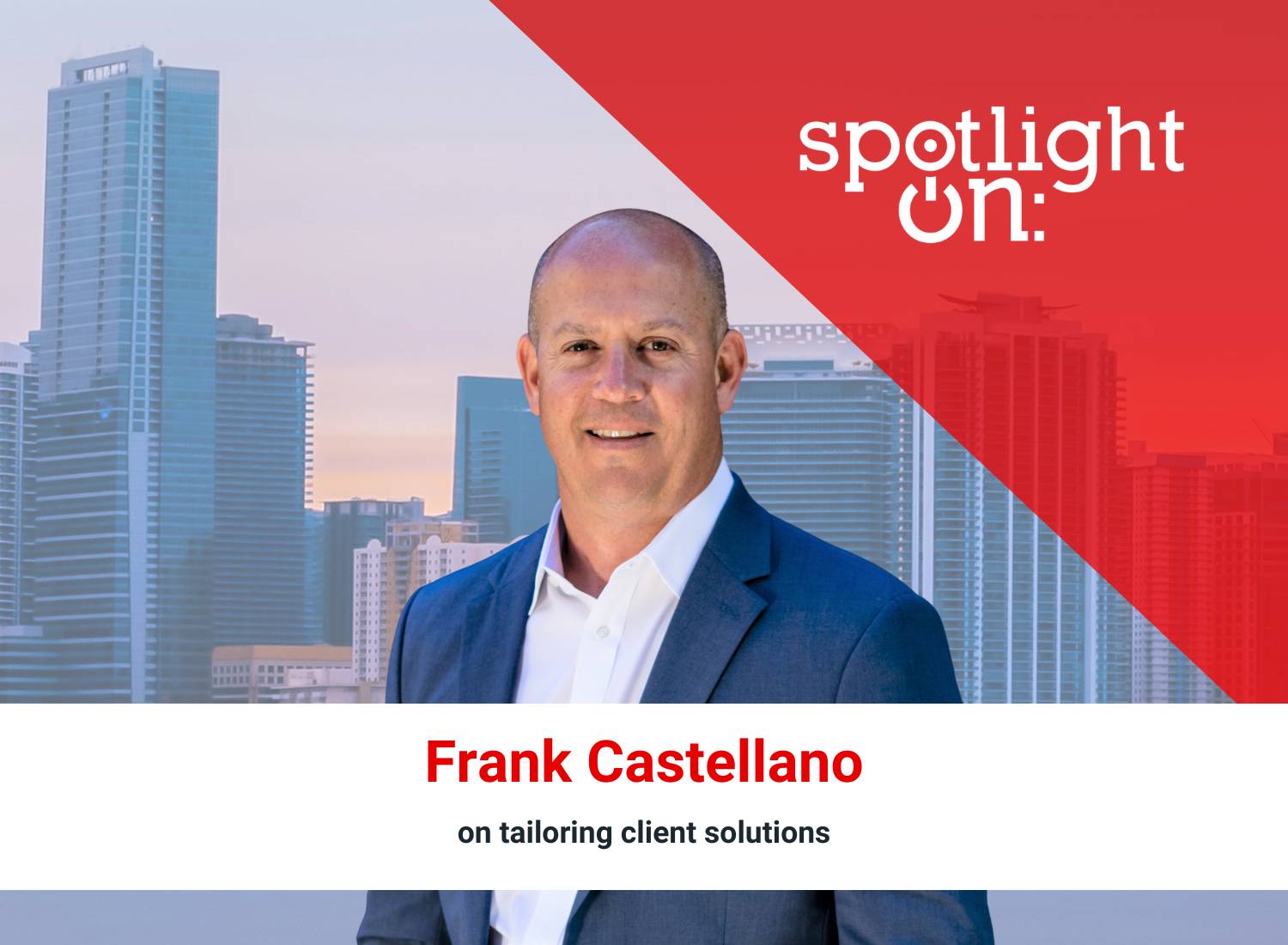
Spotlight On: Frank Castellano, Executive Vice President – San Antonio, Brown & Brown Insurance

Frank_Castellano_Spotlight_OnOctober 2025 — In an interview with Invest:, Frank Castellano, executive vice president of Brown & Brown Insurance, highlighted San Antonio as a strategic hub for South Texas’ growth, calling it “a large metro with a small-town feel.” He emphasized tailored client solutions and noted continued expansion driven by both talent development and deeper community engagement.

Why is San Antonio a key location for Brown & Brown?

We see San Antonio as the gateway to South Texas. Brown & Brown has retail offices in all four of Texas’ major metros — Houston, Dallas-Fort Worth, Austin, and here in San Antonio. But this market is unique. It’s a large metro with a small-town feel. People here prefer doing business with people from their own community, and that matches the way things operate throughout South Central Texas, from here to Laredo and the Valley. There’s also great opportunity across sectors like transportation, supply chain, and tech, making this a diverse and expansive market.


Join us at the San Antonio 4th Edition Leadership Summit! This premier event brings together hundreds of San Antonio’s business and regional leaders to discuss the challenges and opportunities for businesses and investors. This year’s theme centers on how the region is balancing economic growth and authenticity. Buy your ticket now!


What growth milestones have you seen over the past year?

The biggest milestones have been our growth and expansion deeper into South Central Texas. We’ve grown with our clients, many of whom are expanding into larger markets and even into other states. One client we started working with three years ago has grown more than 50% and we have grown alongside them, assisting with solving their problems. We’re also preparing to relocate our San Antonio office, which will give us space to add more teammates and better serve the market.

What are some key challenges and opportunities your clients are facing today?

We’re problem solvers, and clients come to us with specific issues. Cyber liability is a major concern. It’s growing fast, and many clients want help navigating the risks, especially those vulnerable to lawsuits. We’ve partnered with and own a cyber-focused subsidiary to support this need. In transportation, the exposure is high, and businesses are looking for ways to protect themselves, especially against lawsuits. Lastly, our heavy focus on public entities, specifically school districts and municipalities, as they see their exposures grow while managing them through tight budgets. The core is understanding what our clients do, regardless of their size or industry, and building tailored solutions from there.

How is technology transforming your business?

It’s changing how we operate every single day. Clients expect fast, seamless service, whether it’s issuing certificates or managing claims. We’ve had to evolve and embrace digital tools to meet those expectations and stay ahead of the curve.

What trends are you seeing in the property and personal insurance markets?

In Texas, we’re still facing capacity issues when it comes to property insurance. But we’ve started to see some leveling off — rates are stabilizing depending on exposure. It’s not relief, but it’s not the drastic rate increases we saw before. On the personal insurance side, like homeowners, we’re even seeing a slight decline in rates, which is good news for consumers, though restrictions are still aggressive.

How would you describe the broader economic climate?

On a national level, the past year brought concerns around inflation and interest rates, and many businesses were hesitant to invest. That sentiment is still present, but there’s more consistency now. Here in San Antonio and across Texas, we’ve been in a better spot. There’s a general sense of optimism, even if some concerns remain.

What is your approach to talent recruitment?

It’s something every broker is talking about. We’re all looking for top talent. A lot of experienced professionals are retiring, and there’s a gap before the younger generation fully steps in. We focus on culture first — what we offer, how we support growth. We’re recruiting from local universities, bringing in young professionals, and helping them see the full potential of this industry. I view it as a candy store — there are so many options you can go with in the insurance field.

How did you get into the insurance field, and what has kept you here?

I have a finance degree and kind of defaulted into insurance, like many people. But once I got in, I realized how many great people there are, the stability it offers, and how meaningful a career it can be. In many ways, it’s recession-proof, it’s full of purpose, and it’s a great way to make a living. There’s real purpose in the work, and I’m passionate about what we do.

What are your top priorities moving forward?

We’re growing both internally and externally. That means hiring more teammates, market expansion, and continuing to grow organically. We’re also looking at acquisition opportunities, but culture is the first filter — we only partner with agencies that align with our core values. Externally, we’re committed to growing our presence in the community, increasing brand recognition in San Antonio and across South Texas. We’ll soon be relocating our office, which will give us space to bring in more teams and expand further.

It’s about staying on the course, continuing to educate our team, helping them become better individuals and problem solvers. That’s how we grow: by investing in our people and staying focused on solving the real problems our clients face.

Want more? Read the Invest: San Antonio report.

Subscribe to Our Newsletters

"*" indicates required fields

Address*
Would You Like To Receive Our National Newsletter?*
Interests
Markets
This field is hidden when viewing the form

Houston’s transformation into an innovation powerhouse

Writer: Andrea Teran

IHOU24October 2025 — On Thursday, Nov. 20, more than 250 of Houston’s leading voices from across the business, civic, and institutional sectors will convene at the JW Marriott Houston by The Galleria for the release of the second edition of Invest: Houston, the city’s comprehensive annual economic review published by caa. The Invest: Houston Leadership Summit, running from 8 to 11 a.m., will offer an in-depth look at the forces driving the region’s economic evolution, while also fostering high-level dialogue on the opportunities and challenges ahead.

This year’s summit carries the theme, Houston: Cradle of innovation for the world, and will explore how the city’s longstanding strengths in infrastructure and logistics are intersecting with technology and education to shape Houston’s next era of growth.


Join us at the Houston 2nd Edition Leadership Summit! This premier event brings together hundreds of Houston’s business and regional leaders to discuss the challenges and opportunities for businesses and investors. This year’s theme centers on Houston’s role as a leader in world innovation. Buy your ticket now!


The program will include a keynote address from Houston Mayor John Whitmire, who will outline his administration’s strategic priorities and how his office is supporting innovation throughout the region.

“We’ve been discovered,” Whitmire told Invest:, referencing the expansion of TMC³, Chevron’s headquarters relocation, ongoing port growth, and the upcoming 2026 World Cup.

The event’s first panel, “Laying the Groundwork: How technology reshapes sustainability to fuel Houston’s next chapter,” will examine how Houston’s public and private leaders are responding to the dual pressures of modernization and sustainability. The discussion will bring together Ryan Ezell, CEO of Flotek Industries, Parker Meeks, CEO of Utility Global, Brandon Meyers, Joeris General Contractors’ vice president for Houston, and Ricky Sakai, senior vice president of investment and business development for Mitsubishi Heavy Industries America, with Seyfarth Shaw partner Suzanna Bonham moderating. Panelists will discuss how digital tools, clean energy solutions, and forward-looking innovation are being leveraged to sustain Houston’s global economic relevance.

The summit’s second panel, “Inspiring the Next Generation: How Houston’s K–12 system is cultivating future innovators,” will bring together superintendents Walter Jackson of La Porte ISD, Ken Gregorski of Katy ISD, Rebecca Brown of Dickinson ISD, and Randal O’Brien of Goose Creek CISD. The panel will be moderated by the CEO and founder of caa, Abby Lindenberg. This conversation will explore how districts are integrating education, career readiness, and equity-driven strategies to ensure students are prepared for an innovation-first economy.

More than a market report launch, the Invest: Houston Leadership Summit is a platform for strategic dialogue, long-term thinking, and regional alignment. As Houston navigates a pivotal moment in its growth, the summit provides space for the region’s leaders to align on priorities, challenge assumptions, and turn insight into action.

About caa & Invest: Houston

caa is an integrated media platform that produces in-depth business intelligence through its annual print and digital economic reviews, high-impact conferences and events, and top-level interviews via its video platform, Invest:Insights.

Invest: Houston is an in-depth economic review of the key issues facing the Houston economy, featuring the exclusive insights of prominent regional leaders. Invest: Houston is produced with two goals in mind: 1) to provide comprehensive investment knowledge on the region for local, national, and international investors, and 2) to promote the region as a place to invest and do business.

The report conducts a deep dive into the top economic sectors in the region, including technology, real estate and construction, infrastructure, banking and finance, healthcare, education, and tourism. The publication is compiled from insights collected from more than 200 economic leaders, sector insiders, political leaders, and heads of important institutions. It analyzes the leading challenges facing the market and uncovers emerging opportunities for investors, entrepreneurs, and innovators.

For more information, please contact:

Alina Manac

Senior Executive Director

305-731-2342

Want more? Read the Invest: Houston report.

Subscribe to Our Newsletters

"*" indicates required fields
Address*
Would You Like To Receive Our National Newsletter?*
Interests
Markets
This field is hidden when viewing the form

Why mental health is still being overlooked in the workplace

Writer: Mirella Franzese

CorporateOctober 2025 — Nearly 75% of U.S. workers experienced at least one symptom of a mental health condition in the past year. Yet most employers are ill-equipped to address this crisis, even as they acknowledge its impact on performance.

The results are clear: lower morale, teams suffering from higher rates of turnover, burnout, and depression, as well as struggles with attracting and recruiting talent in the midst of a national labor shortage. In a competitive market, lack of preparation doesn’t just mean lower performance or higher turnover — it means a measurable impact on returns.

“The workplace isn’t neutral in this story — 84% of workers say their work conditions directly contributed to a challenge,” mental health nonprofit One Mind’s chief strategy and growth officer Sarah Tol told Invest:. “So the workplace becomes one of the most critical systems where support must be delivered.”

While behavioral health is a top priority for more than half of American executives, just 1 in 4 organizations have a formal mental health strategy in place and few leaders actively participate in mental health initiatives, according to One Mind’s 2025 Mental Health at Work Index annual report

“There’s increased awareness from employers to do more to support the mental health of their employees, but as that interest grew, there was insufficient research on how to respond,” Tol told Invest:. “The leaders know it is important. They want to do it. The challenge is how to do it.” 

While 90% of U.S. businesses offer mental health benefits, most are critically underinvesting in prevention measures, such as creating a safe workplace environment. The report suggests employers are treating mental health symptoms once they arise through provisions such as access to therapy and community mental health teams, rather than creating protections and promotions that prevent harm in the first place.

“Employers are inundated daily with benefits, perks, and assistance programs, but they are not integrated. It’s hard to know what makes an impact directly on the employees,” added Tol.

This imbalance is more pronounced at small and midsize businesses. Although larger employers are able to provide better benefits and resources, smaller companies aren’t necessarily able to offer the same opportunities. According to Tol, this creates an equity gap in support, which, over time, can widen to threaten corporate performance.

Data from the Mental Health at Work Index clearly shows that organizations with superior mental health strategies are almost twice as likely to be recommended as a great place to work by employees, leading to voluntary turnover rates that are almost 50% lower. Additionally, employees who work at a company that supports their mental health are twice as likely to report “no burnout or depression,” as cited by Mind Share Partners.

Tol sees this as an opportunity to change the narrative surrounding behavioral health within corporations. 

“It’s this shift — from treatment to prevention — that defines the next phase of workplace mental health leadership. Balancing the employer-employee dynamic starts with recognizing that both have a shared stake in creating a healthy workplace.”

Managers, for one, play a pivotal role in this recalibration: “They’re not therapists, but they are connectors. They need to know how to listen, how to respond, and how to guide people to the right supports,” said Tol.

One Mind and SW/PA Coalition put together a Manager’s Checklist, which outlines fundamentals to promote behavioral well-being in the workplace. These include well-being activities, benefits reminders, regular check-ins regarding workload, and work-life balance.

These types of “well-being investments” solve critical gaps in hiring and retention, according to Ellen Kelsay, president and CEO of Business Group on Health. “By viewing these initiatives as having a direct impact on overall employee health, employers also boost workplace engagement, participant outcomes and business performance, among other benefits,” Kelsay told HR Drive.

However, mentally healthy workplaces are not just critical for employers and employees, but rather for driving long-term economic resilience, retention, and growth.

In a shrinking labor pool, organizations that invest in well-being are the ones that will retain and attract the best people,” said Told. “In this time of uncertainty with the geopolitical environment, we need to maintain that sense of urgency around workplace mental health. We need to ensure that the attention doesn’t fade … by tying well-being directly to economic impact, we can help organizations to keep this on the leadership agenda.”

Want more? Read the Invest: reports.

Subscribe to Our Newsletters

"*" indicates required fields
Address*
Would You Like To Receive Our National Newsletter?*
Interests
Markets
This field is hidden when viewing the form

Spotlight On: Urich Bowers, Chief Consumer Banking and Strategy Officer, Northwest Bank

Urich_Bowers_Spotlight_OnOctober 2025 — In an interview with Invest:, Urich Bowers, chief consumer banking and strategy officer at Northwest Bank, said that strategic investment in technology, community presence, and personalized service are driving growth and deepening customer relationships. “That’s why our focus is on being truly omnichannel, offering customers access to banking services whenever, wherever, and however they choose,” Bowers said.

What changes over the last year have impacted Northwest Bank, and in what ways?

It has been a very exciting year for Northwest. We’re undergoing significant transformation, all of it positive. Over the past year, we’ve had additions to our leadership team, bringing in additional bench strength and different perspectives. 

We’ve also made considerable investments in our commercial banking verticals to become a more diversified institution. We’ve been transforming our retail organization to be more sales-enabled and customer-centric, enhancing the overall banking experience for our customers.

Recently, we completed the conversion of Penns Woods Bank, which is based in the northeastern and central parts of Pennsylvania. This acquisition has helped us fill in our regional footprint, and culturally, it’s a great fit. It gives us added scale, which allows us to continue investing in core technologies, commercial verticals, and our retail franchise.

We’ve also started a de novo expansion of our financial center network. We’ve created a new architectural model with an environment that’s welcoming, flexible, and sales-enabled. Its open design represents the evolution of our financial centers into a hub for a more advisory, hospitality-led experience in the heart of the community. It features self-service kiosks for simple transactions, while still offering the option of speaking to a traditional teller for more personalized needs.

Our recent bank conversion and expansion generated stronger employee engagement across all markets, including Pittsburgh. Our employees see the bank investing in its future, which builds excitement and motivation. This renewed energy is translating into real business outcomes, with customer growth and improved performance in our retail banking segment.

Which consumer banking initiatives have helped drive recent growth?

We deliver large-bank capabilities with a personalized, community-oriented approach.

Our team knows our customers by name. I’ve visited local small businesses — like coffee shops or restaurants — owned by our clients. I often hear how we were the bank that helped them get started, supported their growth, and provided impeccable service. That kind of feedback really reinforces why we do what we do.

We’re offering great value for our customers. We provide access to 55,000 surcharge-free ATMs, checking and savings accounts with no monthly fees, and early pay features, among other benefits.

We continue to look for ways to innovate and expand our offerings. In today’s rate-sensitive environment, customers are more aware of the value they’re receiving, and we’ve remained competitive on that front. Our strong rates and excellent customer service have helped us grow both our relationships and our deposit base, especially in Pittsburgh and our other key markets.

How are you attracting top talent and creating meaningful career pathways that make Northwest stand out as an employer?

Pittsburgh is truly a hotbed for talent, thanks to its many highly ranked universities and its status as a financial services hub. Several large and midsized banks are headquartered there, which creates a competitive but rich recruiting environment.

We’re exploring ways to reinvent our development program for new college graduates and early-career professionals. We want to create a structured onboarding and growth path for them within the organization.

Pittsburgh also serves as one of our two hub locations. We have operations in both Bellevue and Downtown, with 19 financial centers and about 200 employees. That proximity to talent and strong networking among employees help significantly with recruiting.

There’s also a unique loyalty in the Pittsburgh population. Recruiters often find that residents are reluctant to leave, and if they do, they tend to return. So having two hubs in the area gives us a real advantage, enabling people to live and work in a place they’re deeply connected to.

What trends are you seeing as most important, and how is Northwest adapting?

Banking continues to be an incredibly competitive space, with digital banks, direct banks, national players, regional banks, and credit unions all in the mix. That’s why our focus is on being truly omnichannel — offering customers access to banking services whenever, wherever, and however they choose.

Interestingly, even as digital usage increases, the importance of physical financial centers remains high. While many customers open their accounts online, research shows that the visibility of a physical branch still influences their choice of bank. Branches also provide a vital space for customers to have personal conversations about financial wellness or to get assistance with more complex issues.

Even among younger, digital-native customers, we see a trend where they’ll open an account in a branch and then manage it entirely online. So having that physical presence is still essential. It supports customer acquisition, even if most of the relationship lives in the digital space.

So we’re investing in both digital platforms and our branch network. Simplicity, speed, and choice are crucial, especially since deposit products tend to be commoditized. What sets us apart is the level of service and hospitality we provide, treating customers the way they want to be treated.

How do you connect with community needs in places like Pittsburgh, specifically in areas like financial education, housing, or access to credit?

Our communities are the lifeblood of our organization — when they thrive, we thrive. That’s why we take a hands-on approach to community involvement. We’re very active in affordable housing initiatives and financial literacy programs. Our employees also volunteer extensively with local nonprofits.

We have a foundation through which we make targeted investments that align with our mission. For example, we pledged $300,000 to the Hilltop Economic Development Corporation, supporting Mount Oliver and Knoxville communities. We also run educational events like “Business and Brews” in Elizabeth — an idea from one of our financial center managers — where we invite customers and potential clients to learn about financial wellness in a casual, approachable setting.

We also partner with institutions like the University of Pittsburgh at Bradford. We contributed to the construction of their George B. Duke Engineering and Information Technology Building. These efforts all tie back to our mission to strengthen the communities we serve, whether through direct investment, education, or volunteerism.

What are the top goals and priorities for the bank’s consumer banking strategy over the next two to three years?

We’re going to continue investing in core technologies that support an omnichannel experience and help our employees be more effective. Tools like automation and AI will play a big role, especially in the back office and contact center, streamlining transactions and improving issue resolution.

We also plan to keep expanding our physical footprint. We’ll be opening three new financial centers in the Columbus, Ohio market in 2026. Recently, we opened our first new financial center in six years in Fishers, Indiana, and we’re actively exploring partnerships and potential relocations or renovations in Pittsburgh, which remains a core market for us. 

We’re always evaluating how we can revitalize areas through our financial center investments. It’s not just about putting up a building, it’s about contributing to the community around it and supporting the local economy, which ultimately benefits everyone.

Want more? Read the Invest: Pittsburgh report.

Subscribe to Our Newsletters

"*" indicates required fields

Address*
Would You Like To Receive Our National Newsletter?*
Interests
Markets
This field is hidden when viewing the form
