
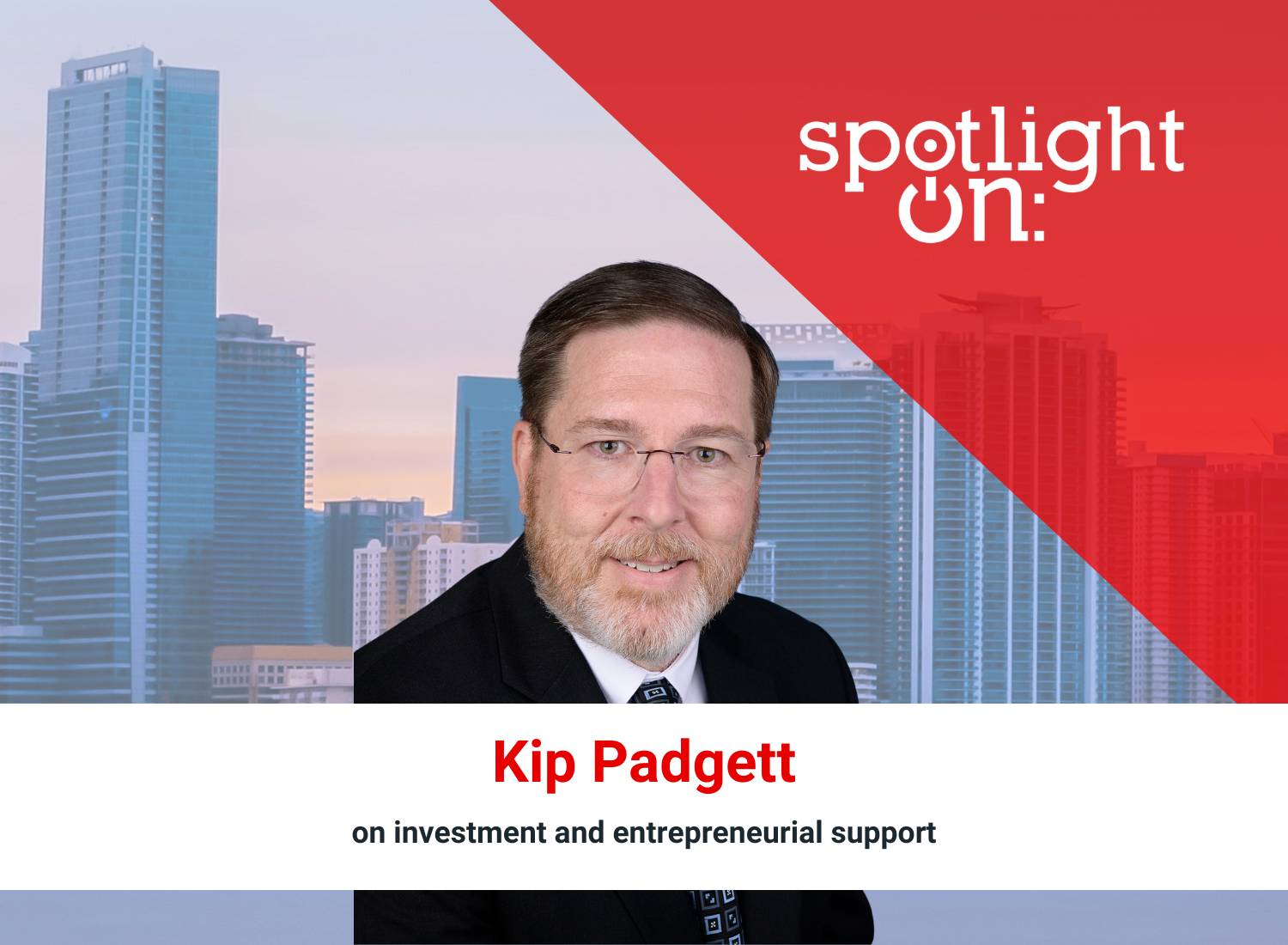
 December 2025 — In an interview with Invest:, Kip Padgett, town manager of the Town of Wake Forest, highlighted the town’s commitment to strategic growth through partnerships, infrastructure investment, and entrepreneurial support. “A key measure of success will be the number of businesses that choose to locate here. We’re investing in infrastructure and quality-of-life projects to support that goal,” Padgett said.
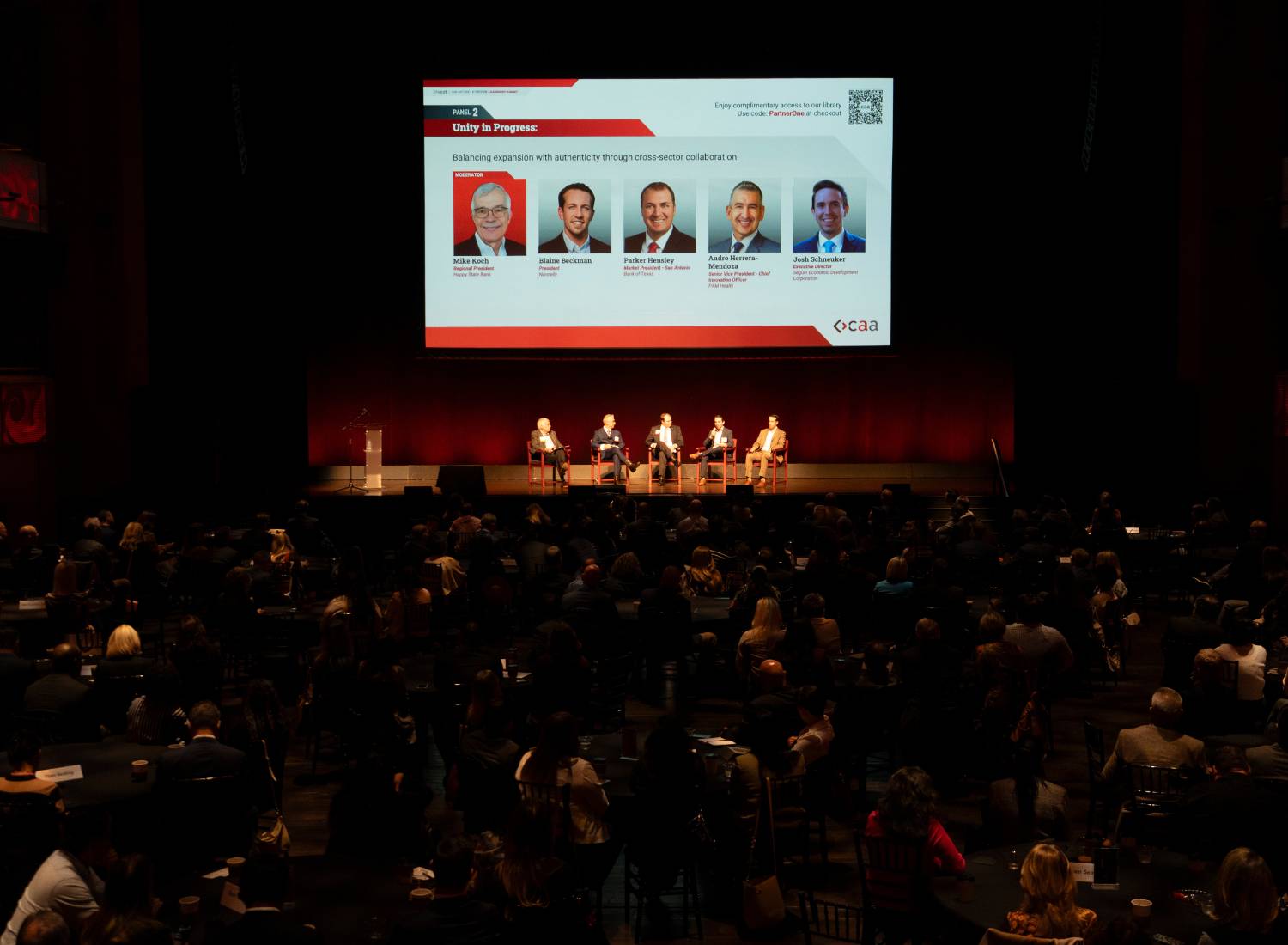
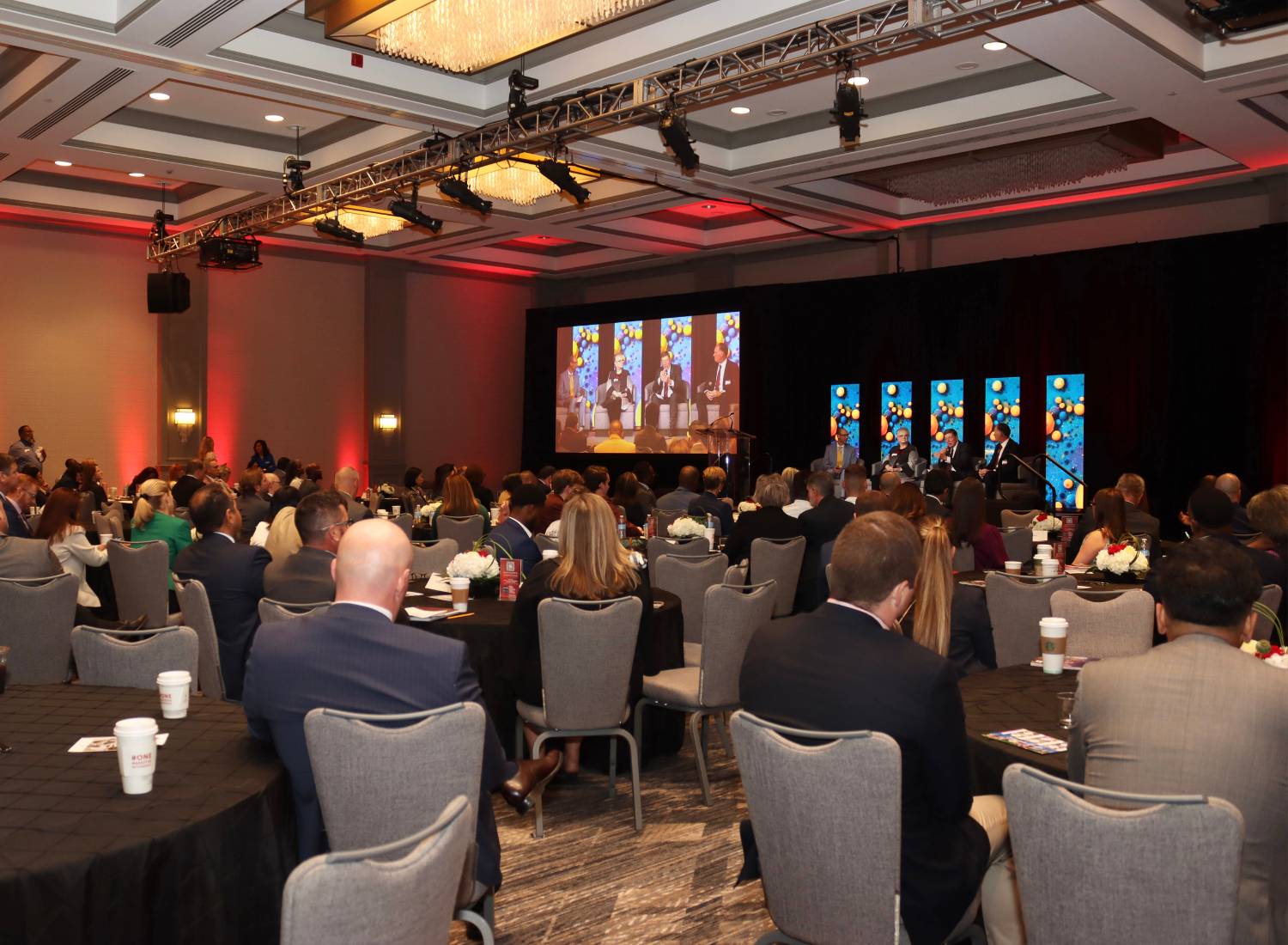
Join us at caa’s upcoming leadership summits! These premier events bring together hundreds of public and private sector leaders to discuss the challenges and opportunities for businesses and investors. Find the next summit in a city near you!
Reflecting on the past year, what major changes or developments have had the most meaningful impact on Wake Forest’s trajectory?
We’ve focused on supporting our business owners, as entrepreneurship is important to us. We support our local Rotary Club on an initiative called Launch Wake Forest. Through this program, the Rotary Club mentors aspiring business owners, helping them develop viable business plans. It’s a collaboration with Wake Tech and our town, and we’ve built upon it by launching the Founders Program.
The Founders Program supports entrepreneurs who already have established businesses, helping them refine their operations and skills. We bring in a successful entrepreneur as an Executive in Residence to mentor participants. We also collaborate with UNC Chapel Hill’s School of Business; one of their professors works closely with the entrepreneurs to tailor guidance to their needs.
At the end of the program, we host a pitch event similar to Shark Tank. Entrepreneurs present their ideas to a panel of judges, and I’m one of them. The winner receives a financial award to further develop their business.
What opportunities do you see right now to attract businesses to the region?
We’re always focused on being business-friendly and welcoming to new enterprises. We have both an economic development director and a downtown development director, and their mission is to support and attract businesses to Wake Forest. One of our key partnerships is with Southeastern Baptist Theological Seminary, which owns about 169 acres of mostly vacant land. We’re collaborating with them to market and develop this area, especially targeting commercial, retail, and office space.
Our development services team also plays a big role — when someone is interested in developing property here, we help streamline the process to make it as efficient as possible. Throughout the year, we support businesses via our Chamber of Commerce and various town-led initiatives.
What progress has been made on affordable housing, particularly considering labor shortages, rising costs, and supply constraints?
Affordable housing remains a challenge. To address this, the Board of Commissioners allocates one penny of the tax rate each year to build up an Affordable Housing Fund. This fund enables us to make strategic public investments that can help attract private development.
We’re exploring land assemblage opportunities and partnering with land trusts to encourage developers to include affordable housing components in their projects. But it’s difficult. As construction costs and supply chain issues persist, achieving affordability becomes harder. We’re trying to be strategic, assembling land and working with partners to fill the affordable housing gap as effectively as possible.
How has Wake Forest managed demands for roads, utilities, and public safety while preserving the town’s character?
Transportation is a huge focus for us, especially with all the growth we’re seeing. The Board of Commissioners allocated an additional penny and a half on the tax rate specifically for transportation initiatives. We also work closely with the North Carolina Department of Transportation (NCDOT) since they own many of our roads.
We’re concentrating on key corridors like Capital Boulevard and Ligon Mill Road, which are vital for future commercial development. Internally, we’re entering year three of a major street repaving initiative — about a $12 to $15 million investment to bring all municipal roads up to standard.
Looking ahead, we’re leveraging partnerships at the state and regional levels to bring more transportation projects to life, including improvements to the corridors I just mentioned.
How are you working with public and private leaders to bring this vision to life and attract more private investment?
The S-Line passenger rail project is a great example. We’re working with NCDOT, which has been successful in securing grants to upgrade the rail line, including a new passenger rail station in downtown Wake Forest.
They applied for additional grants but needed a local funding match, which we provided. That collaboration led to a successful grant award to help construct part of the train station. We also work closely with the Central Pines Regional Council, which brings together local governments to discuss and address regional issues. The S-Line has been in the works for years, and there’s a lot of excitement about it finally becoming a reality in the near future.
How are quality-of-life investments, like parks and community events, enhancing livability for both long-time residents and newcomers?
We host a number of popular events downtown. Our Parks and Recreation Department just wrapped up Boo Bash, our Halloween event, which brought in about 7,500 to 8,000 people.
Our marquee event is Friday Night on White. On the first Friday of each month from April through September, we close off downtown streets and bring in live bands. These events draw 12,000 to 15,000 attendees. It’s also an economic development strategy — people might window shop during the event and return later to make purchases, introducing them to all that downtown has to offer.
Joyner Park is our signature green space, and we continue to invest in greenways as well. We’re also constructing phases two and three of the Dunn Creek Greenway. Our residents value outdoor amenities, so expanding parks, trails, and green spaces remains a top priority.
What other initiatives are in the pipeline over the next few years that you’re most excited about?
We’re focused on completing key connections in our greenway system. Once we finish Dunn Creek and Smith Creek, we’ll have a continuous trail connection from Raleigh in the south to Franklin County in the north — right through Wake Forest.
We’re also building a new skate park alongside what is called a pump park. I didn’t know what it was at first, either, but it’s basically a bike course for racing and tricks. We hope it becomes a destination for skating competitions and attracts visitors. The facility will also include basketball courts and be located near Joyner Park, which already draws a lot of foot traffic.
How are you preparing for the growth that’s likely to follow the connection to Raleigh?
It’s a multifaceted approach. Many of our residents commute to Raleigh or RTP, so we’re focused on expanding local amenities like parks, greenways, and family-friendly spaces to enhance quality of life.
But we’re also looking at how to reduce commutes by creating more local job opportunities. That’s where our economic development strategy comes into play, including programs like the Founders Program. We want residents to launch and grow their businesses here instead of having to travel elsewhere for work.
How is performance measurement shaping outcomes across departments?
Everything we do ties back to our strategic plan, which the elected officials adopt. It outlines five key goals. Our annual budget is aligned with those goals, and we track performance metrics accordingly.
For example, we measure fire department response times — our department is ISO-rated 1, which is the highest rating and can result in lower insurance rates for commercial properties. We track police response times, how quickly building inspections are completed, and how efficiently the planning department processes development applications. It’s a full-circle process that ensures alignment between our strategic goals and daily operations.
Looking ahead to the next two to three years, what outcomes will define Wake Forest’s success, and what are your top priorities to achieve them?
A key measure of success will be the number of businesses that choose to locate here. We’re investing in infrastructure and quality-of-life projects to support that goal.
Transportation is a top priority, just like fiber internet was a few years ago. We completed a “middle-mile” fiber project by partnering with a private provider; we collaborated on jointly digging the trench and then separately installed both our municipal fiber and their commercial fiber. That partnership expanded access to neighborhoods and made fiber more available to businesses, particularly downtown and along major corridors.
We’re hoping to replicate that kind of success with transportation, working with NCDOT and pursuing public-private partnerships. For example, we’ve partnered with developers to complete road connections during construction projects, reimbursing them later. It’s often more efficient and cost-effective that way. We believe that small wins like these are essential to achieving our broader vision for Wake Forest.
Want more? Read the Invest: Raleigh-Durham report.
Subscribe to Our Newsletters
"*" indicates required fields