
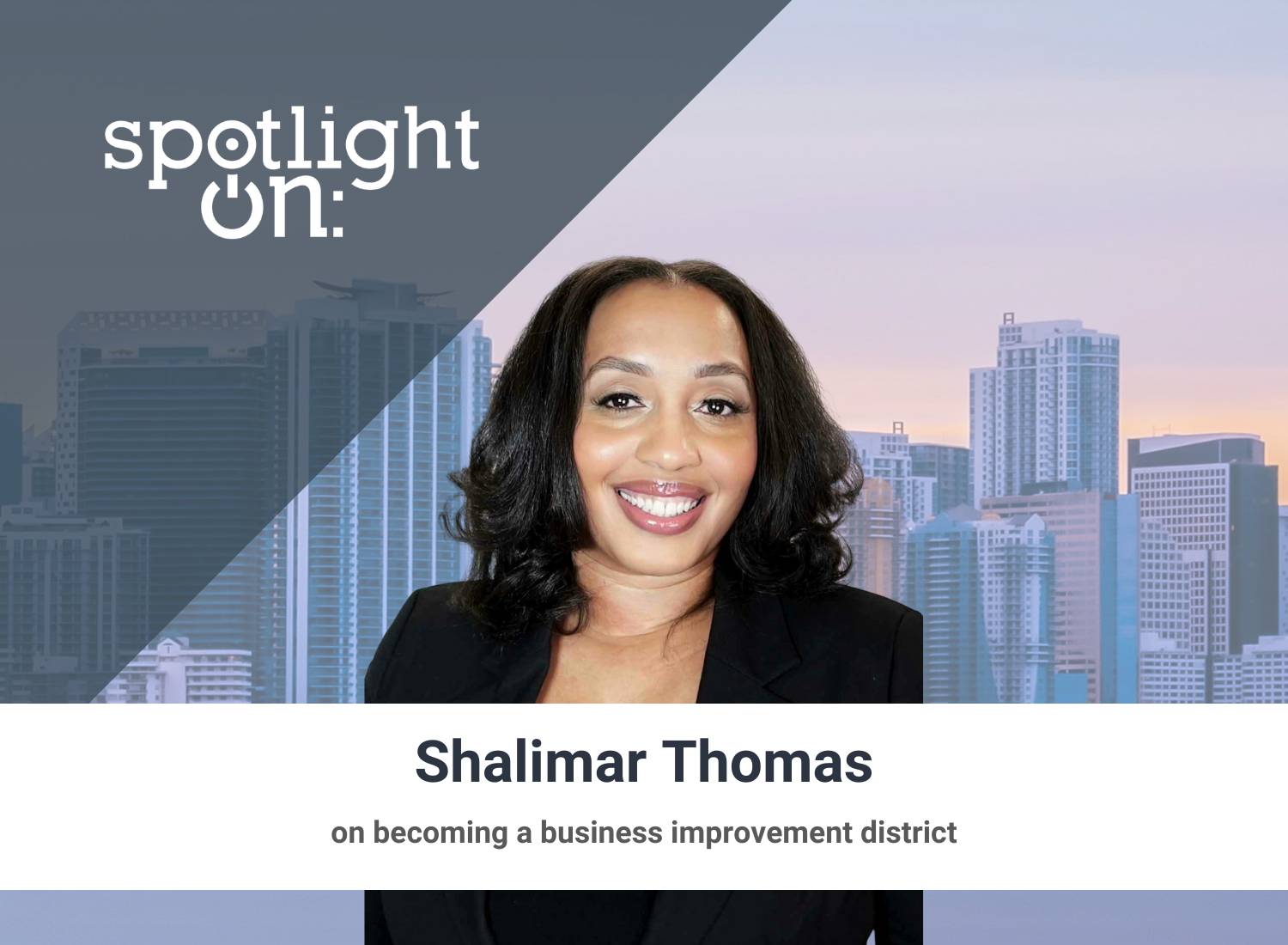
 November 2025 — In an interview with Invest:, Shalimar Thomas, executive director of nonprofit The North Broad Renaissance, said that securing a Business Improvement District (BID) designation has been a transformative development for the organization. Thomas also discussed the impact of economic shifts on its programs and priorities. “North Broad is in a unique position because our coverage area spans from very affluent neighborhoods to areas that are heavily impacted by poverty. What we’re seeing right now feels very similar to the early days of the pandemic: a sense of uncertainty,” she said.
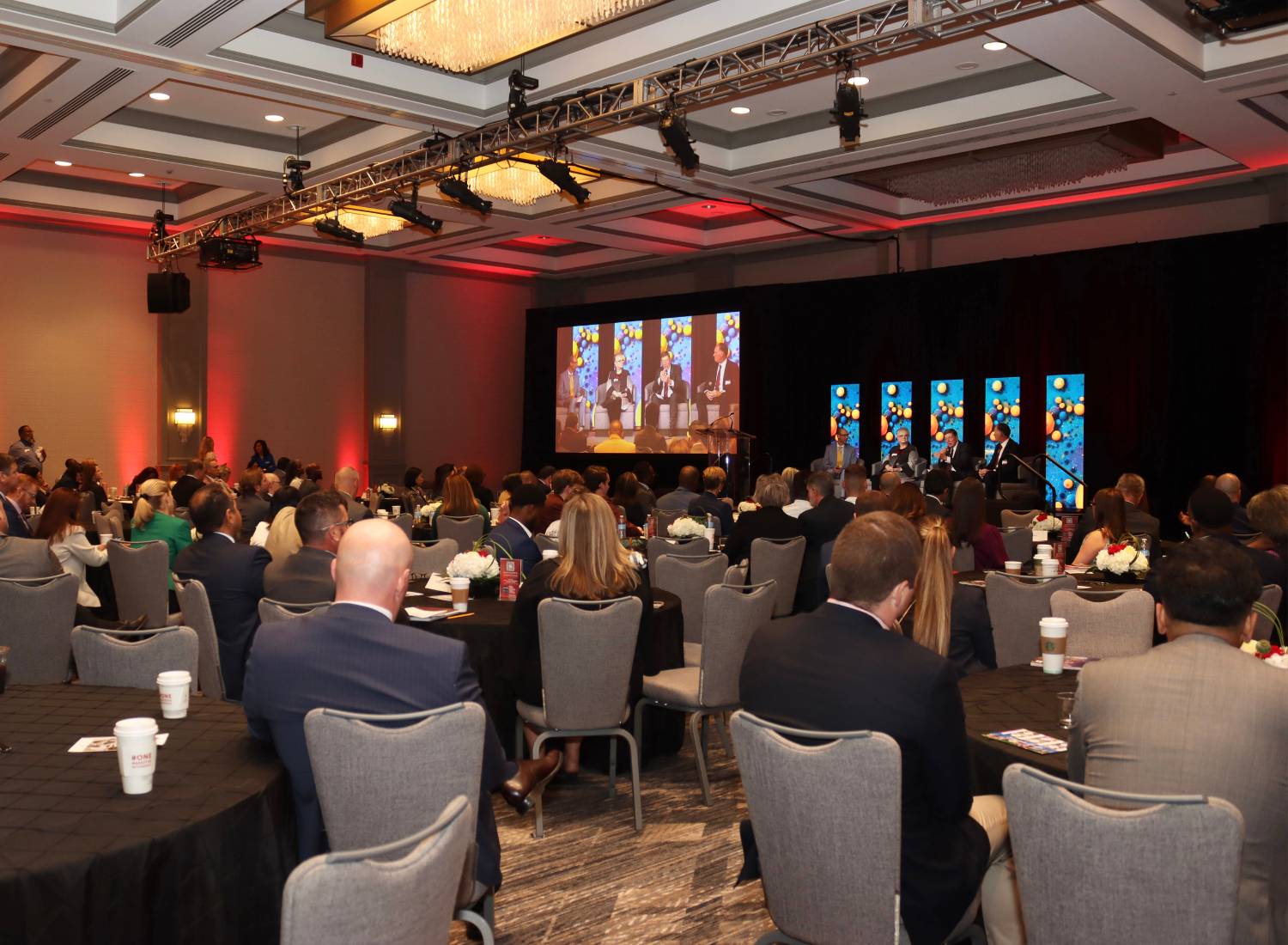
Join us at the Invest: Philadelphia 6th Edition Leadership Summit! This premier event brings together hundreds of Southeast Pennsylvania and South Jersey’s regional leaders to discuss the challenges and opportunities for businesses and investors. This year’s theme centers on the regional strengths of the eds and meds. Click here to learn more.
What changes over the past year have most impacted your work, and how, if at all, have those changes influenced your day-to-day decisions?
The most significant change was getting the Business Improvement District (BID) approved and the ordinance passed. Before becoming a BID, we operated as a Special Service District (SSD). As an SSD, we still followed the same model: putting the community first, staying engaged, seeking feedback, and implementing what residents asked of us. However, the key difference was how we funded our work. As an SSD, all expenses were on us, covered through fundraising, grants, and sponsorships. About three years in, we began exploring the BID model, where property owners within a defined boundary pay an assessment based on property value to help fund our work.
We finally got it passed in November 2022. Now, with those assessments coming in, we have a more solid financial foundation to support our programs. We intentionally started the BID small to avoid overwhelming stakeholders who may not yet fully understand what a BID is. It currently sits in the center of our service area, with plans to expand.
This base funding has taken a load off me as executive director. I can now shift from constantly focusing on fundraising to developing our strategy and building out our five-year plan. That’s been the biggest and most impactful change.
How have the current economic conditions shaped the way you prioritize programs and allocate resources along the corridor?
North Broad is in a unique position because our coverage area spans from very affluent neighborhoods to areas that are heavily impacted by poverty. What we’re seeing right now feels very similar to the early days of the pandemic: a sense of uncertainty.
Organizations like Invest Philly have the privilege of daily conversations with finance experts who understand Wall Street. But in our community, people are in survival mode, trying to understand how these economic shifts impact them directly.
For example, we buy t-shirts locally for our summer events. When we approached our vendor this year, he was affected by new tariffs, so we negotiated pre-tariff pricing. We know that next year might be different, but we’re committed to supporting him. So now we are asking ourselves: How can we adjust our budget to continue supporting local vendors who need to raise prices because of these real economic pressures?
For nonprofits like ours, it all comes down to funding and how we bring in more of it. Our opportunities lie in sponsorships and grants, particularly state-level, since many federal grants have been cut. Fortunately, we weren’t heavily dependent on federal grants, so the blow wasn’t as severe.
Right now, we’re in problem-solving mode — figuring out how to stay afloat while remaining impactful and compliant. That might mean adjusting how we run our programs next year. For example, our “Summer Abroad” series aims to increase foot traffic and engage businesses, but we may need to rethink how we deliver that impact more cost-effectively.
At the core, our focus is staying mindful of real issues like rising costs due to tariffs or development delays due to funding shortages, rather than perceived ones. We’re also seeing some wins, like new businesses opening. So we’re constantly assessing what’s truly happening, and where we should focus our energy.
How is the BID adjusting its business retention and attraction strategies, and where have you seen the most traction in stabilizing or growing commercial activity?
This really connects to our founding purpose. North Broad has historically been a pass-through corridor, not a destination. We were working toward changing that narrative, trying to make it a place where people intentionally come to live, work, or visit.
Business attraction and retention are fairly new focus areas for us. And I’ll be honest, there’s a learning curve. One example: We were working with Temple University to bring in Iron Hill Brewery, which aligned with our goals to increase foot traffic and vibrancy. Then suddenly, Iron Hill announced it was closing all its locations. I was shocked. How did no one see this coming? How were we having conversations about opening a location while the business was shutting down? What I’ve learned is that businesses often don’t feel comfortable talking about their financial struggles. There’s a stigma or fear that prevents transparency, and we’re trying to break that barrier.
Our biggest challenge is getting in front of businesses before they choose a location. Too often, we see a business move in, and we know the location isn’t ideal. But someone convinced them to take it, and soon after, they’re gone. We want to shift that.
We need businesses to see us as a resource, not just to keep the corridor clean and safe, but to help them succeed. That might mean connecting them to organizations that can offset build-out costs or offer marketing support. But to do that, we need honest conversations early on.
Many just don’t know what a BID is or what we can offer. So we’re working to raise awareness. We want to create a culture where businesses trust us enough to say, “Here’s what we’re struggling with,” so we can support them.
How are residents and neighborhood voices shaping your initiatives, and where have their insights helped shift or strengthen your strategy?
Our work is entirely community-driven. Before launching anything, we engage with the community. Even when updating our five-year plan, we held committee meetings and invited residents to participate based on their interests.
We said, “Here’s our goal — creating more green space, for example — what does this look like to you?” The input we received shaped our strategic direction. When you see goals like safety, beautification, or marketing, it’s all grounded in resident feedback.
That said, our biggest challenge is engagement. It’s similar to voter turnout: Despite all the outreach, sometimes only a small percentage show up, and yet they influence the entire direction. We’re constantly thinking about how to increase participation.
We go door to door, we follow up, we leave materials — whatever it takes. One of my favorite stories is Tropical Smoothie. We couldn’t get past the staff to the owners, but we didn’t give up. Once we finally made that connection, it led to one of our strongest partnerships.
Sometimes, people just say they’re not interested, and that’s OK, too. At least they know we exist, and if they change their minds, we’re here. We also engage through newsletters, social media, and in-person outreach. Our goal is to make sure that if someone needs us, they know how to reach us.
What feels most urgent to get right now in order to realize the long-term vision for the corridor?
When people ask about my five-year goals, my answer is simple: to complete this five-year plan. Our current plan runs through 2029. In 2028, we’ll revisit what we accomplished and what we didn’t, then go back out to the community to start the process again.
From my own perspective, I want to see North Broad benefit not just from foot traffic, but from people actually going into the businesses. I’ve seen crowds out on the street, but watched them walk right past stores. Why is that happening? How do we change that?
Ultimately, I want to see a corridor where anchor institutions, local businesses, and nonprofits — everyone — grow together, recognizing each other’s contributions and working in partnership.
Want more? Read the Invest: Philadelphia report.
Subscribe to Our Newsletters
"*" indicates required fields