
Inside the race to attract the next generation of CPAs

IHOUe2_Banner_Doeren_Mayhew

Writer: Mirella Franzese

WorkforceOctober 2025 — Hundreds of thousands of job openings in the accounting profession are expected every year over the next decade, but they will likely remain empty. Once considered a stable and predictable career path, auditing and accounting continue to face significant talent gaps that threaten to disrupt the industry.

In fact, recent surveys and industry reports show that the number of accounting majors has declined over recent years as barriers like lengthy study requirements for CPA licensure keep students out of the profession. At the same time, many Boomer-era accountants are aging out of the profession or taking up new jobs. Between 2021 and 2023, more than 300,000 accountants retired or transitioned out of their roles, according to data from the U.S. Bureau of Labor Statistics, cited by GHJ. In the last decade alone, CPA candidates have fallen 27%, and many firms are reporting difficulties in hiring sufficiently experienced professionals at all levels, according to Auxis. The finance profession has also been impacted: over 90% of leaders struggle to find enough qualified accounting professionals. 

The talent crisis is also compounded by widespread competition for the remaining qualified recruits. Firms are not only competing with each other but also with other industries that are investing heavily in digital transformation, data analytics, and strategic advisory roles — areas increasingly integrated into modern accounting practices. 

With fewer students pursuing degrees in accounting, CPAs across the U.S. are rethinking their hiring strategies to attract and retain the next generation of professionals. Legislative changes — such as in Georgia and Pennsylvania, where the requirements to become a CPA have recently been eased — highlight efforts to open new pathways into the profession. Still, the talent pool remains limited, while demand is expected to grow, and firms are feeling the strain of this shrinking pipeline. Here is what industry leaders are doing to bridge the talent gap.
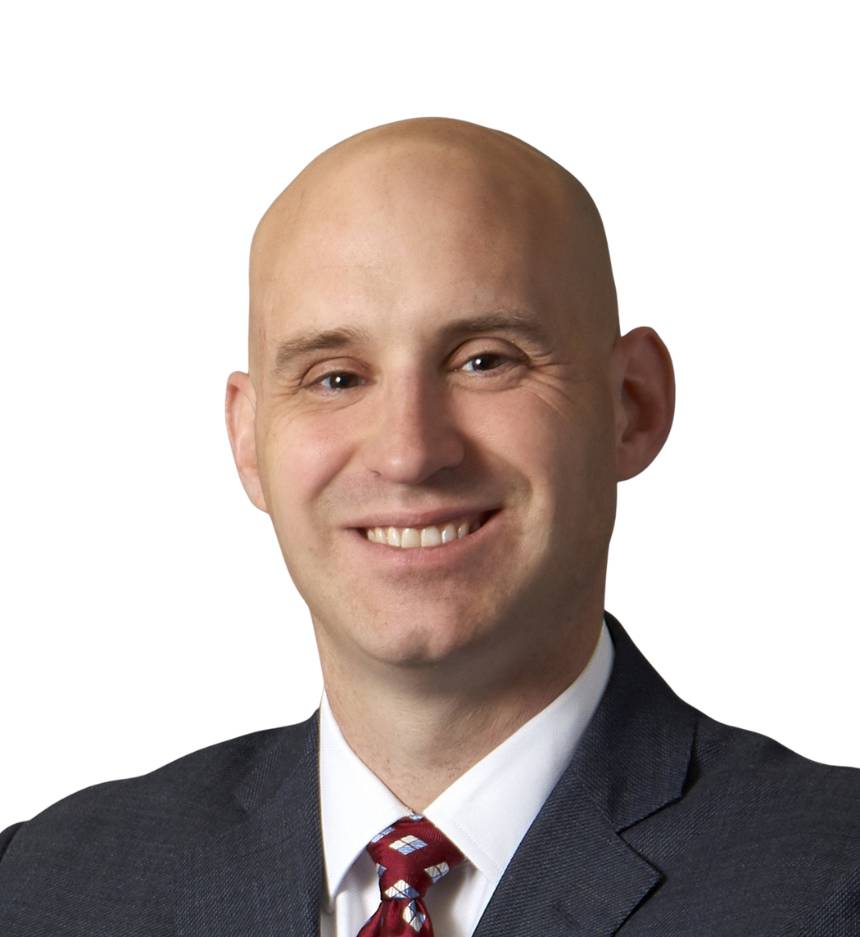
Andy_Young_Quote_StackAndy Young, Assistant Managing Partner, Forvis Mazars

Our industry, for a number of years, has had some challenges with fewer college students choosing to major in accounting. Pennsylvania recently passed a lower-hours threshold to be able to sit for the exam and become a CPA — one of many states to do so in an effort to open up more pathways to earning a CPA license. Although there was some good news recently showing that accounting majors were up 12% nationally in 2024 compared to 2023, the fact remains that fewer young people are earning accounting degrees than when I started with the firm. That trend has caused many firms of all sizes to rethink how they hire. At Forvis Mazars, we prioritize trying to get our talent up to speed and supporting their continued growth and development from day one. Today, these young professionals have to know what quality work looks like a lot quicker. Technology such as AI is taking some of the load off, but we lean into that with our people, letting them show off their skills and talent to our clients much earlier on. The fun part is the relationships that we build with our clients, and making sure that they see that from the get-go is critical. That’s why we feel like we can attract and retain high-quality employees.
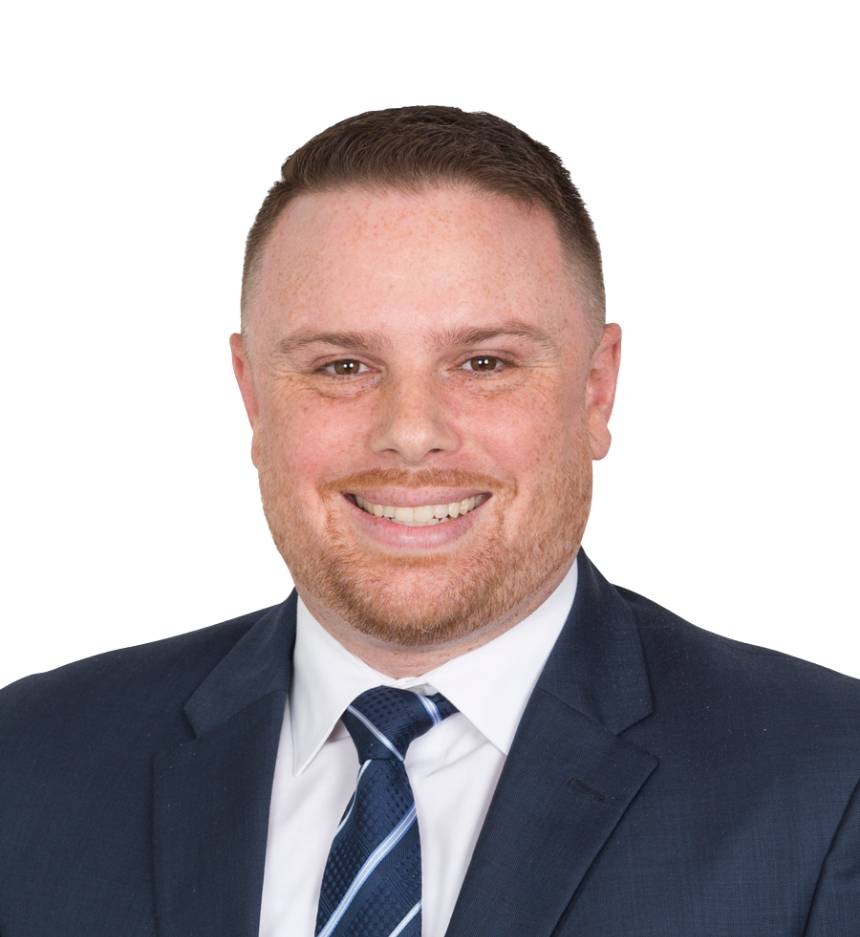
Paul_Gabriele_Quote_StackPaul Gabriele, Partner – Private Client Services, EisnerAmper

The industry faces a talent shortage as fewer students are pursuing accounting degrees and CPA licensure. This decline is concerning, but it also presents an opportunity to rebrand the profession. Traditionally, accounting was perceived as monotonous, but today, it involves client communication, financial analysis, and leveraging AI and other technologies. We need to better communicate that accounting is a dynamic, leading-edge, fulfilling career path. We hope to reverse the trend by showcasing the exciting aspects of the profession, such as strategic advisory roles and innovation-driven work, to the next generation of graduates.

Yessica_Perez_Quote_StackYessica Perez, Tax Partner, Calvetti Ferguson

Finding CPAs has become more challenging. It’s a more limited pool now, but cities like Houston, DFW, and Nashville still offer strong talent. We actively encourage our employees to earn their CPA licenses. We provide bonuses and incentives for those who pass within their first year, along with access to learning tools and support for exam preparation. To retain talent, we focus on making employees feel valued and invested in. We prioritize learning, growth opportunities, and recognition. Pairing that with competitive compensation helps us maintain low turnover and a strong, motivated team.

Alan_Wink_Quote_StackAlan Wink, Managing Director – Capital Markets EisnerAmper

Younger people today have a different view of the world compared to other generations. Due to their knowledge and involvement with technologies, there is almost a need for instant gratification, and sometimes the accounting profession does not provide them with that. We are having the same issues that other accounting firms are facing in relation to finding and retaining talent. We also need to consider the impact of AI on the accounting profession. We are in the first inning of the AI game, and it will impact many professions. The value will come in interpreting the data to make informed decisions. Becoming an expert in data analysis will be key to being successful.

Mary_Roberts_Quote_StackMary Roberts, Director, BakerTilly

The accounting industry is not going away anytime soon, but the industry has a few challenges that appeal to college students looking to enter the accounting profession. However, I do think that is changing. For example, the legislation in Georgia has recently reduced the requirements to become a CPA. In addition, accounting is more than just auditing and tax — our professionals serve clients with a number of advisory services and are truly business consultants.  Baker Tilly believes that the accounting industry is exciting, challenging, and growing — all of which should appeal to professionals who want to have satisfying, long-term, successful careers.

Want more? Read the Invest: reports.

Subscribe to Our Newsletters

"*" indicates required fields

Address*
Would You Like To Receive Our National Newsletter?*
Interests
Markets
This field is hidden when viewing the form

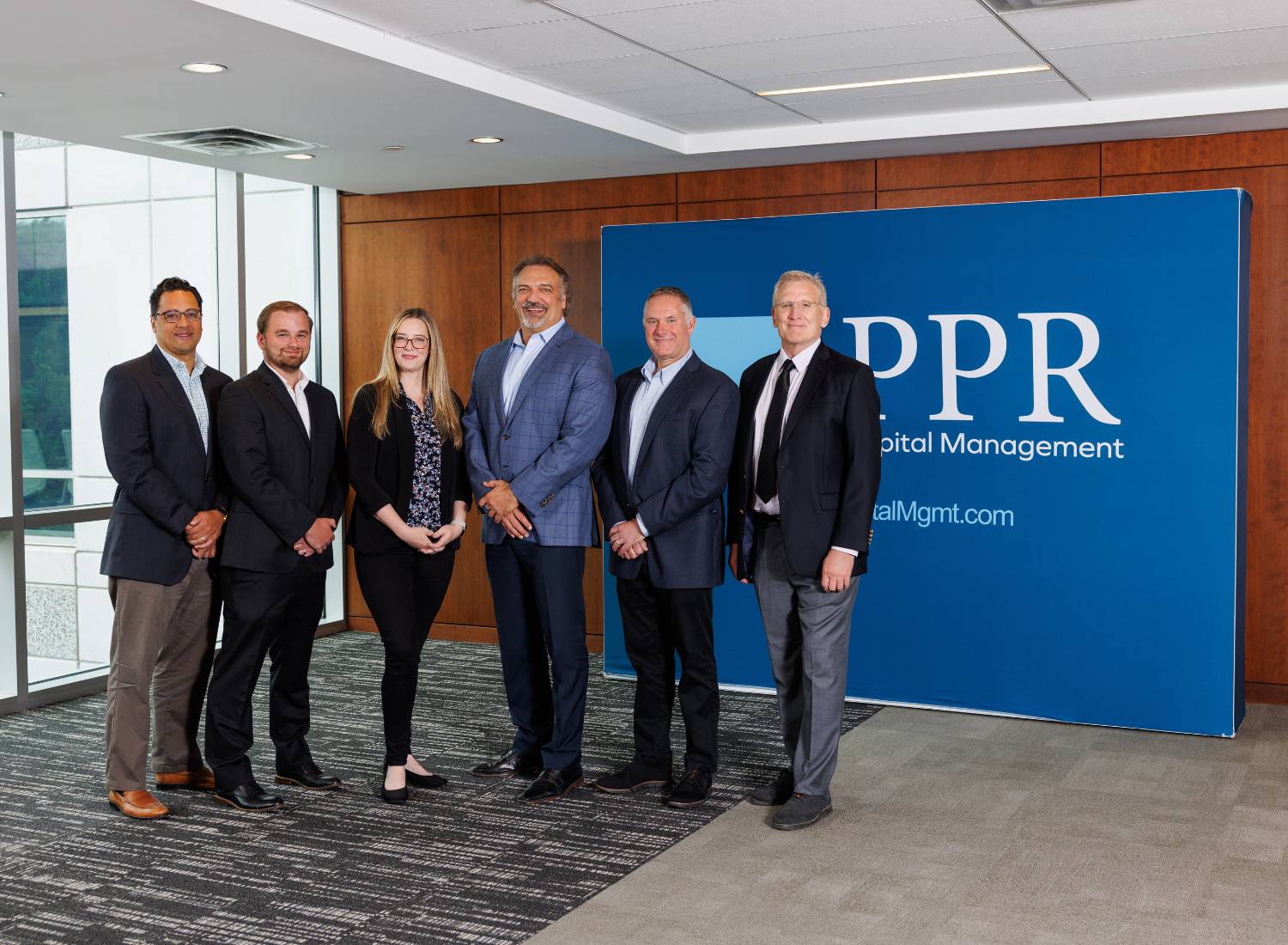
Spotlight On: Steve Meyer, CEO, PPR Capital Management

Steve_Meyer_Spotlight_OnOctober 2025 — In an interview with Invest:, Steve Meyer, CEO of PPR Capital Management, discussed strategic growth and the company’s commitment to community impact and innovation. “The foundation, the strategy, the people, and our trusted investors all contribute to what I believe is a compelling growth story with real purpose behind it”, he said.

What did you see as the greatest opportunities when you stepped into your role at PPR?

When I joined in 2022, PPR already had a strong foundation and a team of excellent, driven people. The team is collaborative and focused on our core mission of helping to build wealth and prosperity to our shareholders and investors, while making a positive impact on the communities in which we live, work and invest..

Coming from a much larger diversified financial services company at which I had worked for several decades, the partners and I knew I brought a fresh perspective. At the same time, we all knew there was a clear path ahead to build on PPR’s core strengths. Not knowing the intricate nuances of the real estate space was initially a challenge, but it also meant no idea was off limits. Some ideas might have seemed unconventional, but several turned out to be exactly what we needed. It quickly became clear we had to accelerate growth, double down on what we do well, build where we hadn’t yet invested and focus heavily on the customer experience. That became the foundation for our multi-year strategy, PPR Next.

A key reason that strategy has gained traction is alignment. Everyone at PPR, from the leadership team to frontline staff, understands how their work ties into our broader goals. That kind of shared clarity is a real driver of momentum.

We’re also uniquely positioned. While currently focused on real estate, PPR is an alternative private equity manager serving retail investors, and for 18 years we’ve raised capital from accredited individuals rather than institutions. Serving the mass affluent is where the industry is heading, and we’ve already built the infrastructure to support it.

At the same time, there’s a generational wealth shift underway, with close to $150 trillion in motion, and much of it is flowing into the retail space. PPR is positioned right in the center of that transition. This year alone, we expect to raise 50% more capital than in 2024.

The foundation, the strategy, the people, and the investors all contribute to what I believe is a compelling growth story with real purpose behind it.

PPR_Capital_Management

What major trends are you seeing in private equity real estate, nationally and in your target markets?

One of the biggest drivers right now is the growing push to bring private equity to the retail market. That expansion is fueling growth for us and for others leaning into this space.

In real estate specifically, we’ve seen a correction after years of overheated investment in the multifamily space, often at the top of the market. Many asset management firms are now facing distress. We avoided that multifamily trend by sticking to our roots in nonperforming loans and adhering to our tight risk management process.

As the landscape evolves, multifamily and related assets are becoming attractive again in certain markets. We’re re-engaging where we see opportunity and where we can add value.

There’s also a continued shortfall in affordable and workforce housing, with the U.S. lacking about 5.7 million units. The issue is especially urgent in the Sun Belt and mid-Belt, where corporate relocations to cities like Dallas and Austin Texas have outpaced housing supply. That gap is a big part of our investment focus.

One solution and investment opportunity we’ve leaned into is Build-to-Rent. It’s well suited to both workforce housing and emerging demographics. For example, I have twin 27-year-olds who are ready to leave apartment living but can’t afford to buy. Build-to-Rent creates single-family homes built specifically for long-term rental, offering an affordable option for young professionals, families, and older adults seeking more space without homeownership.

It’s become a strong contributor to our growth, and we see continued opportunity ahead.


Join us at the Philadelphia 6th Edition Leadership Summit! This premier event brings together hundreds of Southeast Pennsylvania and South Jersey’s regional leaders to discuss the challenges and opportunities for businesses and investors. This year’s theme centers on the regional strengths of the eds and meds. Click here to learn more.


How do current macroeconomic conditions affect your investment decisions?

We see both upside and risk. Rates are likely trending down, which is generally positive, but the broader question is whether the economy is strong enough to support that shift. Unemployment is a key concern for firms like ours, and inflation remains sticky enough to impact Fed decisions.

We don’t assume we have all the answers, but we do benefit from having a highly regarded economist and forecaster on our team. With more than 35 years of experience Spencer Staples, our chief economist and chief investment officer, provides. insight that is central to how we plan and respond.

Falling rates typically lift valuations and unlock more investment opportunities in multifamily and affordable housing. But if those rate cuts are paired with a slowdown in the economy or rising unemployment, the gains can be undercut.

We’re not a firm that jumps in just because rates are dropping. Others might go full throttle. We take a cautious, comprehensive view by watching interest rates, jobs data, inflation, and broader economic signals, and make decisions accordingly.

That’s where Spencer’s guidance is so valuable. He tracks trends across multiple sectors, helping us avoid blind spots. Our posture right now is to move forward with select opportunities, but always with discipline and caution.

How does PPR balance financial performance with its mission and social impact?

It’s central to how we operate. The company was founded on values that continue to shape our culture today. One of the things that drew me to PPR was the shared belief that clients, the company, our team, and the community all matter.

As a private equity real estate firm, financial performance is clearly essential, but it isn’t ultimately meaningful if the communities where we work and invest are being left behind. That’s why purpose is woven into everything we do.

When I joined, one of the first changes we made was to clarify what PPR stands for: Purpose, Prosperity, and Relationships. Those three words capture both how we operate and why.

Giving back and building community relationships has always been part of the company. But I wanted to make it more structured and sustainable. That’s why we launched the PPR Prosperity Foundation, our formal vehicle for charitable giving. We fund it through firm profits and invite contributions from employees, investors and outside donors. Its mission centers on affordable housing, support for low- and very-low-income families, and veteran housing.

Supporting veterans is a personal priority. Too many return from service without stable and/or affordable housing. That’s unacceptable. Freedom comes with responsibility, and we take that seriously.

Our team has fully embraced this mission. They give their time, expertise, and resources. We see the impact in the communities we serve.

This shows up most clearly in our nonperforming loan business. We buy loans that have stopped performing, which gives us control over the properties. In today’s market, we could foreclose and sell for a strong return, often at or above market value.

But over 80% of the time, we choose loan modification instead. We work to keep people in their homes, even if it means slightly lower returns for us. Investors still receive the fixed return they signed up for when they invested. The haircut comes from our side – without sacrificing returns to our investors – and we believe it’s the right thing to do.

That’s where our mission aligns with our model. We prioritize people and purpose, while still delivering strong, consistent performance.

What do you think about the role of technology in supporting growth and decision-making?

In my previous role, I led a tech-first firm, so technology has always been core to what I’ve done. At PPR, we see ourselves as tech-enabled. Technology supports what we do, but our mission and people always come first.

We’ve developed a range of tools, one of which is GPS surveillance on all our properties and targets. This gives us insight into migration trends and traffic flows, helping us make more informed investment decisions. Our internal systems also improve how we source, assess, and manage assets.

I’m a strong advocate for AI. It boosts efficiency and helps process data at scale giving us valuable insights, but it doesn’t replace people. In our business, empathy matters — and that comes from experience, not algorithms. When working with homeowners, communities or investors, human understanding is essential.

That’s why we take a deliberate approach to AI. We research thoroughly, focus on specific use cases, and ensure the tools we adopt enhance our team’s effectiveness. In investor services, for example, AI is helping us improve communication and responsiveness. We’re currently on our third targeted use case. The goal isn’t to replace people. It’s to help them do their work better, optimize performance, and to deliver more value to our clients and investors.

What are your top priorities and opportunities over the next few years?

We are taking a multi-phase approach and we’re currently in the “evolve and diversify” phase of our strategy. That means refining who we are, improving how we operate, and expanding both our investment targets and our investor base. We’ve made strong progress, and the focus will soon shift towards building scale and expansion.

One major opportunity is the ongoing shift toward retail access to alternatives. That trend is gaining traction and while we’re already positioned well in that space, we plan to continue building on it.

Looking ahead, we’ll move into the next phase of our plan, which we call “expansion and platform.” Today, our client base consists of more than 2,000 accredited investors and we’ve another 12,000 in our pipeline. That gives us a strong base from which to grow.

The idea is to open a broader set of investment options, not just the ones PPR manages directly. We want to give our investors access to other high-quality alternatives, while still offering the education, context, and support they need to make good decisions.

We’re not trying to do everything ourselves, we know that no firm can do everything well. We’ll stick to what we do best and in areas outside our expertise, we’ll look to partner with other firms that share our values and meet our standards. Our role will be to curate, educate, and provide access — building a more complete platform for long-term investor success.

Want more? Read the Invest: Philadelphia report.

Subscribe to Our Newsletters

"*" indicates required fields
Address*
Would You Like To Receive Our National Newsletter?*
Interests
Markets
This field is hidden when viewing the form

Most US employees won’t go back to the office, survey shows

FATL24_Banner_The_Water_Tower

Writer: Mirella Franzese

Remote_WorkOctober 2025 — The majority of U.S. workers plan to leave their jobs if required to return to offices, according to a new report. Despite increasing resistance to in-person work, some of America’s largest corporations are doubling down on office space and collaborative environments to attract talent — but many now face renewed hiring challenges and increased competition. 

According to The FlexJobs 2025 State of the Workforce Report, 76% of employees said they would quit if forced back to in-person work, based on a survey of 3,000 professionals in the United States. That represents a 20% increase from the previous year. 

By comparison, just 2% of workers surveyed prefer working in an office full-time to remote or hybrid. 

For FlexJobs career expert Toni Frana, growing resistance to in-person work is unsurprising, especially given the perks of work-life balance, flexibility, and cost savings.

Yet major tech and finance corporations continue to push for in-person work. 

“Remote and hybrid work remain popular due to cost savings in areas like real estate. However, many companies are realizing the downsides: loss of connectivity, innovation, and collaboration,” said Troy McLellan, president and CEO of the Boca Raton Chamber of Commerce, in an interview with Invest:. “This has led larger employers to encourage or mandate a return to the office.”

Big names like Bank of America, Verizon, Amazon, Intel, and Microsoft have all issued public return-to-office mandates.

JPMorgan Chase is among the latest additions to the list. The bank recently announced the opening of a new $3 billion headquarters in Manhattan in an effort to recruit employees through flexible workspaces, smart technology, and advanced infrastructure. In fact, the tower is expected to house up to 10,000 workers — but getting them back in may not be quite so easy.

While JPMorgan Chase continues to invest billions of dollars in office renovations and expansions across the United States, other Fortune 500 companies are betting on a hybrid work schedule to attract talent. 

According to Build Remote’s database — which tracks every publicly stated “return-to-office” policy — 83% of Fortune 500 companies employ a hybrid approach. By comparison, just 12% are office-first.

The majority of American workers prefer hybrid setups, according to Wendy Brooks, senior manager of corporate partnerships at Genesys Works, a nonprofit organization that offers career pathways for underserved high school students.

“Before the pandemic, in-office work was the default. Then in 2020, everything went remote. By 2022, hybrid models started to emerge, and they’ve remained the standard,” Brooks told Invest:. “Hybrid work is likely here to stay. Many have found remote work to be more productive.”

The challenge is that industry adoption still varies widely, especially in sectors like legal and hospitality, where there is heightened demand for the return to the office. This can make hiring more difficult. 

“The desire for remote work means that we have had to work harder to find employees who understand how important it is for them to primarily work in our offices,” said Gary Botwinick, co-managing partner at the legal firm Einhorn, Barbarito, Frost, Botwinick, Nunn & Musmanno PC, in an interview with Invest:. 

However, as Botwinick notes, working in an office is essential for training and upskilling young talent. “Certainly, for younger attorneys, they must be in the office so they can be properly mentored.”

Still, most employees struggle to adapt after years of remote work and flexible lifestyles, McLellan said, which can put undue stress on entire industries.

“Certain positions are challenging to recruit for,” added Joanna Sanchez, general manager at the W Hoboken hotel. “Over the past few years, people have been looking for more flexible, remote-type work. In hospitality, we are a 24/7 business that requires in-person work. Competing with other businesses that do offer a remote or hybrid schedule can be a challenge,” Sanchez told Invest:.

To bridge this “remote” divide, multinational law firm Ogletree Deakins is advising clients on maintaining connection and culture even through physical distance.

“Physical distance can lead to disengagement, so we advise clients to create intentional opportunities for interaction. For example, some companies host virtual happy hours or offer incentives like free meals for in-office attendance to encourage in-person collaboration. The critical factor is intentionality,” said Ogletree Deakins’ Office Managing Shareholder Luther Wright, in an interview with Invest:. 

Activities such as structured team-building and open communication channels can help with cohesion, as Wright noted, which remains a challenge for both online and in-person teams.

“Whether employees are remote, hybrid, or fully in-office, companies must actively foster connections … proximity alone does not guarantee engagement. Success depends on deliberate efforts to build relationships and align team members around shared goals, regardless of their physical work environment,” said Wright.

Firms like Smolin are finding ways to meet the needs of their employees through key investments in tech and infrastructure, which allow for different modes of work. 

“Many professionals now seek hybrid or fully remote work arrangements,” Smolin CEO Paul Fried told Invest:. “This shift has forced businesses, including our clients, to invest heavily in IT infrastructure to accommodate remote work. At Smolin, we have made substantial investments in our IT systems to ensure seamless remote operations.”

Education leaders are likewise preparing for the continued shift to remote and hybrid models. “We’ve adapted accordingly,” added Brooks. “Our students are trained to succeed in both remote and in-person environments.”

Want more? Read the Invest: reports.

Subscribe to Our Newsletters

"*" indicates required fields

Address*
Would You Like To Receive Our National Newsletter?*
Interests
Markets
This field is hidden when viewing the form

Spotlight On: April Bailey, Market President, Amegy Bank – Central Texas

April_Bailey_Spotlight_OnOctober 2025 — In an interview with Invest:, Market President April Bailey of Amegy Bank-Central Texas highlighted the bank’s expansion with a new downtown San Antonio headquarters in 2025, increasing its footprint by 35%. Bailey emphasized a focus on digital innovation, talent retention, and their commitment to community-centered banking.

How has the past year shaped Amegy Bank’s growth, and what does it say about the industry?

One of our notable successes includes the announcement that we’ll be relocating our Central Texas headquarters to downtown San Antonio in Summer 2025, expanding our market footprint by 35%. Spurred by Amegy Bank-Central Texas’ desire to grow alongside the clients and communities we serve, this strategic move will put Amegy Bank in the heart of San Antonio, stimulate further economic activity downtown, and expand local access to industry-leading financial solutions and services, while providing state-of-the-art facilities that are centrally located for our bankers and clients. Because of this announcement and other exciting news, the past year has been transformative for Amegy Bank in Central Texas. We have seen significant growth, particularly in our commercial banking sector, driven by the robust economic activity in the San Antonio-Austin corridor. This growth reflects the overall health of the banking industry in our region, which has been buoyed by strong business investments and a resilient local economy.

What industry trends are shaping your strategy?

As interest rates have risen and stabilized at more traditional levels, banks and their customers across the industry have been adjusting to higher loan rates. To stay ahead of digital innovation across the banking sector, Amegy Bank invested in and implemented advanced digital banking solutions to meet the evolving needs of clients, streamline operations, and enhance customer experience.

What challenges is the banking sector facing, and how is Amegy Bank responding?

One of the big challenges we face is keeping up with the ever-changing regulatory landscape, including new rules and compliance requirements. On top of that, the banking industry is competitive with traditional banks and fintech companies vying for market share. This competition also extends to attracting and retaining top talent, which is crucial for staying ahead. At Amegy Bank, we address these challenges by creating a positive, community-focused work environment and offering professional development opportunities. By staying agile and investing in our workforce, we turn these challenges into opportunities for growth and innovation.

What’s your outlook for Amegy Bank and the Central Texas economy?

Looking ahead, we’re optimistic about Amegy Bank’s growth and the broader banking industry in Central Texas. The region’s strong economic landscape, with ongoing investments in infrastructure and technology, supports our expansion in commercial and personal banking services, especially in the San Antonio-Austin corridor. Significant population growth and a robust job market, along with rising median household incomes and a diverse economic base, make Central Texas an attractive area for businesses and residents. The broader Texas economy is also experiencing unprecedented growth, driven by sectors like energy, technology, and manufacturing, each enhancing our outlook as we invest in our workforce and leverage new technologies to meet our customers’ evolving needs. By staying agile and focusing on community engagement, Amegy Bank is well-positioned to navigate the competitive landscape and capitalize on the region’s economic strengths.

Want more? Read the Invest: San Antonio report.

Subscribe to Our Newsletters

"*" indicates required fields
Address*
Would You Like To Receive Our National Newsletter?*
Interests
Markets
This field is hidden when viewing the form

Spotlight On: Jochen Reiser, President, The University of Texas Medical Branch & CEO, UTMB Health System

Jochen_Reiser_Spotlight_OnOctober 2025 — In an interview with Invest:, Jochen Reiser, president of The University of Texas Medical Branch and CEO of the UTMB Health System, discussed the organization’s role in Texas’ proposed $3 billion Dementia Prevention Research Program and the launch of the Moody Brain Health Institute. “We are living through a cognitive revolution—UTMB is positioned to lead in brain health, space medicine, and biotech innovation,” he said.

How has UTMB’s research and medical advancements positioned it as a leader in Texas and beyond?

The research enterprise at UTMB is rapidly emerging as a state and national leader in several areas. One major initiative, the proposed Dementia Prevention Research Institute of Texas (DPRIT), a $3 billion program championed by the lieutenant governor and on the November ballot for voters to consider, illustrates the state’s growing leadership in this field. UTMB is already uniquely prepared to contribute, thanks to the foundation established through the Moody Brain Health Institute, launched last fall with support from the Moody Foundation. The Institute brings together world-class experts in neuroscience, neurobiology, clinical neurology, and neurosurgery to conduct breakthrough research that translates directly to patient benefit. One example is our Alzheimer’s nasal spray therapy, which has shown remarkable results in animal models by blocking defective proteins that cause memory loss. That treatment is now advancing to human trials—marking a potential milestone in dementia prevention.

We are also expanding our influence through partnerships. We are collaborating with Rice University, known for its strength in public policy, and the Wyss Center for Bio and Neuro-engineering in Geneva, Switzerland. Together, we participated in the Davos Brain Health initiative at the World Economic Forum earlier this year, where global leaders in capital markets, public policy, education, and health care discussed strategies to improve brain health, combat dementia, and sustain economic productivity. Given Texas’ leadership in brain health research and legislative support, UTMB is well-positioned to drive these advancements and make a lasting impact.


Join us at the Houston 2nd Edition Leadership Summit! This premier event brings together hundreds of Houston’s business and regional leaders to discuss the challenges and opportunities for businesses and investors. This year’s theme centers on Houston’s role as a leader in world innovation. Buy your ticket now!


What makes the Galveston and Greater Houston region an ideal location for UTMB’s growth?

Galveston has a rich history and a unique position in Texas. It was once envisioned as the “New York of the South,” with immigration levels rivaling those of the East Coast. That history played a key role in UTMB’s establishment, as it was founded where new immigrants arrived, making it the birthplace of medical education in Texas.

Today, despite natural disasters like the 1900 Storm and Hurricane Ike in 2008, Galveston remains a resilient community. The demographic mix here provides an ideal environment for research that reflects the broader population of Texas, and studying health trends in Galveston gives us insights applicable across the entire state.

Another major factor driving growth is the transformation of the I-45 corridor, which now connects Galveston to thriving communities. Improved schools, an enhanced quality of life, and natural beauty have made it an attractive place for new recruits. Increasingly, they are choosing to make Galveston home, something that was rare a generation ago. It’s a community where history meets innovation, where purpose meets passion—and where UTMB’s mission continues to thrive.

How has UTMB’s Life Science Incubator advanced research commercialization?

We consider innovation our “fourth domain” alongside research, education, and clinical care. Since we last spoke, this area has gained tremendous momentum, leading to new patents, startup partnerships, and technological advancements.

One exciting collaboration involves a German company specializing in a breakthrough diagnostic technology. Traditionally, detecting the smallest biological components required electron microscopy, a complex process that takes three to four days. This new technology allows us to see these microscopic structures using light microscopy in a few hours, enabling faster diagnostics and broader accessibility. UTMB is now working to secure regulatory approvals, including FDA clearance, and integrating this innovation into student training.

Another example is the work of Dr. Peter Kan, our chair of neurosurgery. He is a world-renowned surgeon, but having an in-house innovation platform has made him even more entrepreneurial. He no longer needs to seek external partners to develop new medical tools and biosensors; he can collaborate directly within UTMB. This has sparked discussions about a new type of professional: the “physician entrepreneur.” We are not only training future doctors and nurses but also giving them opportunities to innovate, which enhances patient care and accelerates medical advancements.

How is UTMB leveraging AI and emerging technologies to improve patient outcomes and operational efficiency?

We are living through a cognitive revolution—one as transformative as the Industrial Revolution. Artificial intelligence is not just changing how we work; it’s changing how we think, learn, and heal.

UTMB is harnessing AI across clinical, educational, and operational domains. We’re using predictive modeling to anticipate patient needs, AI-assisted diagnostics to improve accuracy and speed, and ambient clinical documentation tools to reduce the administrative burden on physicians. These technologies are enhancing care while allowing clinicians to spend more time with patients.

We are committed to integrating AI responsibly, through strong governance, rigorous testing, and ethical oversight. By combining human judgment with machine intelligence, UTMB is ensuring that innovation serves our ultimate goal: better health outcomes, delivered with compassion and precision.

With rising healthcare costs and economic pressures, how is UTMB ensuring affordability while maintaining high-quality patient care?

Balancing cost, quality, and sustainability is one of the biggest challenges in health care today. At UTMB, the focus has been on improving patient outcomes while eliminating inefficiencies.

Through our “Best Care” initiative, we closely track infection rates, hospital readmissions, and treatment effectiveness. This allows us to identify areas where care can be improved while reducing unnecessary expenses. Data-driven decision-making is helping us streamline everything from medical supplies to patient services. For example, rather than stocking multiple brands of the same surgical material, we analyze which options provide the best results at the most efficient cost.

Telemedicine has also been a major factor in controlling costs. UTMB has long been a leader in virtual care, providing medical services to the Texas prison system and cruise ships. Now, we’re applying those same principles to patient triage. If someone calls with a health concern, AI-assisted screening can determine whether they truly need a specialist or if a follow-up call is a better approach. This helps reduce unnecessary visits, lowering costs for both patients and the system.

Despite these efforts, economic pressures remain a challenge. Labor shortages, inflation, and shifting workforce dynamics are affecting healthcare nationwide. However, UTMB’s reputation continues to attract top talent, and our workforce and student population have now surpassed 20,000. Even in difficult financial conditions, we are positioning ourselves for long-term success.

What excites you most about UTMB’s future and its role in shaping healthcare?

The more time I spend at UTMB, the more I appreciate its extraordinary breadth and potential. Few institutions can match the scope of what happens here, from cutting-edge research to frontline care and global discovery.

We are home to one of only two university-based Biosafety Level 4 laboratories in the nation, the country’s last remaining space-medicine program, and a health system that cares for more than 80 percent of Texas’ incarcerated population. Our scientists are advancing groundbreaking therapies.

What excites me most is how these strengths converge. Education, research, innovation, and patient care are no longer separate pillars; they are part of a single ecosystem that serves people and drives discovery.

UTMB was founded more than 130 years ago on an island known for its resilience. Today, that same spirit fuels our vision for the future. We are building a model of academic medicine that serves Texas, influences the nation, and shapes the future of global health. I believe UTMB’s most transformative years are still ahead.

Want more? Read the Invest: Houston report.

Subscribe to Our Newsletters

"*" indicates required fields

Address*
Would You Like To Receive Our National Newsletter?*
Interests
Markets
This field is hidden when viewing the form

The real impact of Pittsburgh’s regional airports

Writer: Melis Turku Topa

John_Murtha_Johnstown_Cambria_County_AirportOctober 2025 Regional airports across the Pittsburgh area are proving essential to Western Pennsylvania’s economic and transportation network. While Pittsburgh International Airport anchors the region with nearly 10 million annual passengers, smaller airports such as Arnold Palmer Regional Airport (LBE) in Latrobe and John Murtha Johnstown-Cambria County Airport (JST) serve important roles in connecting surrounding counties, supporting local industries, and training the next generation of aviation professionals.

These airports also deliver sizable economic impact. According to the Pennsylvania Department of Transportation’s Aviation Economic Impact Study, general aviation airports contribute more than $15 billion annually to the state’s economy and support over 104,000 jobs. 

From leisure travel and charter operations to education and advanced air mobility research, regional airports are bridging communities while relieving congestion at major hubs.

To discuss the growing importance of these facilities, Invest: Pittsburgh sat down with Gabe Monzo, executive director of Arnold Palmer Regional Airport, and Cory Cree, airport manager at John Murtha Johnstown–Cambria County Airport.

What major changes have shaped your airports recently, and how are they influencing operations?

Gabe_Monzo_Face_OffGabe Monzo: At the beginning of the year, one of the first challenges we faced was Spirit Airlines filing for bankruptcy. That was a major issue for us. We were concerned that their bankruptcy would affect our operations, especially since they’re the only airline we have. We have a significant investment in Spirit Airlines, and we wanted to ensure they remained viable and operational. The good news is that another flight from Fort Lauderdale was added. That was a city we had lost for a period of time, and they’ve now brought it back. The air traffic controllers are ecstatic. They now have an elevator! It doesn’t take them the whole way up to the cab, but it reduces the climb from 75 stairs to just 6 stairs. They also got new blinds, new windows — it’s been fully refurbished. We’re a contract tower, which is different from an FAA tower. We’re part of the FAA’s Contract Tower Program, so while the controllers are FAA-certified, the tower itself operates under a different structure. That entire project was 100% federally funded.

Cory_Cree_Face_OffCory Cree: Over the past year, several significant developments have taken place. We embarked on a $6.5 million Eastside Development Project, which involves widening an access road to our Keystone Opportunity Expansion Zone (KOEZ). This zone provides 130 acres of tax benefits to any new company that moves into the area. In addition to widening the access road, we are adding a 162-stall parking lot to support St. Francis University’s aviation maintenance technician school and the Nulton Aviation Flight Academy, both located at the airport.
Furthermore, we are reconstructing a hangar apron to support these programs and making security gate and fencing upgrades. This project is expected to be completed by this fall. Another exciting development is the introduction of a local restaurant, Balance Restaurant @ the Airport, which provides food options for passengers and attracts visitors to the airport, raising awareness of our services.

How do regional airports like yours support local economies and connect communities?

Monzo: We know we’re a party. We fly to Myrtle Beach, Fort Lauderdale, and Orlando. People come here to have fun. We want to encourage that from the moment they park to the moment they board. That’s the time we control, and we want it to be enjoyable rather than a hassle. We try to be part of the party, not the problem. We’ve actually seen people tailgating in the parking lot before flights to Myrtle Beach. We don’t officially advocate for it, but it happens. We know our place. Most people aren’t flying to Fort Lauderdale for a business meeting — they’re going to have fun, so we’re courteous, conscientious, and focused on service. With a name like Arnold Palmer, we want to be a class act. He was on our Airport Authority board and instilled the importance of providing a positive experience.
Also, parking is free, whether it’s for a day or a week. That’s $100 in savings travelers can spend on their trip instead. We’re not trying to compete with Pittsburgh — we’re part of Pittsburgh’s system. Our prices are reasonable, depending on the travel date. And travelers are savvy — if they can save $50 by flying Tuesday instead of Saturday, they’ll do it.

Cree: We are planning to invest approximately $30 million to construct a Regional Jet (RJ) Hangar/Innovation Center, which will support overnight maintenance for SkyWest Airlines (SkyWest), operating as United Express. This facility will enhance our local economy and potentially increase flight options for passengers.
In 2026, we will begin Phase One of this project, a $10 million investment to construct the initial phase of the hangar, enabling overnight jet maintenance. Additionally, the U.S. Department of Transportation recently selected SkyWest’s for another four year contract as our EAS (Essential Air Service) provider, reinforcing our partnership. 

Our passenger numbers have grown significantly, from 7,500 departures in 2022 to nearly 18,000 last year, which has also increased our FAA funding eligibility. We are currently on pace to exceed last year’s passenger numbers.

What priorities or innovations are positioning your airports for long-term success?

Monzo: Everyone strives toward being carbon neutral. Sustainability means a lot to us and to the environment. We’ve switched all of our ramp equipment to electric. That’s a big deal for a small airport. Fifteen years ago, we didn’t even have a tug – now all our tugs, lavatory carts, and baggage carts are electric. The only diesel equipment left is the aircraft pushback vehicle, and we’re still figuring out how to make that electric. Solar power is the future, and airports have a lot of unused land. Now that solar arrays no longer pose risks to aircraft, they’re going to be a major trend. We’re heavy electricity users, so reducing that footprint is a huge step toward sustainability. You’ll never find anyone better than Pittsburgh International when it comes to sustainability leadership – they’re setting the standard.

Cree: Aerium, a nonprofit organization associated with the airport, has secured six CIP codes for aviation education in Pennsylvania high schools, enabling public funding for aviation courses. Saint Francis University’s Aviation Maintenance Technician School (AMTS), which opened in fall 2024, provides a direct career pathway for students. Graduates can interview with SkyWest for airline maintenance technician positions or join Lockheed Martin, a major employer in Johnstown’s industrial park.

For aspiring pilots, the Nulton Aviation Flight Academy offers training from private to commercial licenses, with guaranteed interviews at SkyWest for qualified candidates. We are also exploring advanced air mobility (AAM) and drone technology, including a groundbreaking medical drone delivery initiative in Johnstown. The Southern Alleghenies Planning & Development Commission received a $1.9 million U.S. DOT SMART Grant to develop a drone-based medical delivery system. This program, known as Drone814, will deploy drones beyond visual line of sight to deliver emergency medical supplies. This initiative, the first of its kind in the United States, could expand statewide and nationally, with potential Medicare reimbursement.”

Top image provided by John Murtha Johnstown-Cambria County Airport

Want more? Check out the Invest: Pittsburgh report.

Subscribe to Our Newsletters

"*" indicates required fields

Address*
Would You Like To Receive Our National Newsletter?*
Interests
Markets
This field is hidden when viewing the form

Festive fall events to enjoy in Metro Atlanta

Writer: Eleana Teran

AtlantaOctober 2025 — As the city takes on the colors of the fall season, Atlanta transforms into a lively mix of creativity and fun. 

From family-friendly attractions and outdoor adventures to cultural festivals and stage performances, the metro area offers experiences that capture both the spirit of Halloween and the vibrancy of autumn. Atlanta brings the season to life with events that entertain and inspire residents and visitors alike.

In the spirit of the season, Focus: highlights some of the most anticipated fall and Halloween-inspired experiences across the metro area.

Haunted Seas at the Georgia Aquarium

Families can dive into the spirit of the season at the Georgia Aquarium’s Haunted seas, running until Nov. 2. The event transforms the world-class attraction into an underwater Halloween wonderland filled with spooky décor and themed presentations. Guests can enjoy daily dolphin and sea lion shows with a haunting twist, while the aquarium becomes a backdrop of festive surprises. Each weekend, families can join in themed crafts and scavenger hunts in the morning, then enjoy afternoon trick-or-treat fun with pirates, mermaids, and glowing stations throughout the aquarium. Costumes are encouraged! Tickets start at $44.49, with activities running daily from 9 a.m. To 6 p.m.

Click here to learn more.

Scarecrows in the Garden at the Atlanta Botanical Garden

Now in its 23rd year, Scarecrows in the Garden fills the Atlanta Botanical Garden with dozens of handcrafted creations made by local artists, schools, and local organizations. On display through Nov. 2, the exhibition celebrates local creativity as visitors explore the Garden’s fall colors. Guests can vote for their favorite scarecrow through the Visitor’s Choice Award and enjoy seasonal highlights like the Great Pumpkin-Carving Festival on Oct. 23 and Fest-of-Ale every Thursday in October.

Find more details here.

Haunted tours at the Fox Theatre

The historic Fox Theatre opens its doors for a limited run of Haunted History and Ghost Tours, inviting visitors to explore one of Atlanta’s most iconic landmarks in a new light. Visitors can hear stories from the theater’s past and learn about the artistry and design that make it a local treasure. For those seeking an extra thrill, the Ghost Tours venture deeper into the venue’s hidden spaces, from backstage corridors to the 1929 hospital room. Tours last about 60 minutes and run on select dates through Oct. 30.

For more information, click here.

A spooky lineup of art and entertainment

Atlanta’s stages come alive this season with performances that capture the spirit of Halloween and beyond. The celebration includes Disney Tim Burton’s The Nightmare Before Christmas in Concert on Nov. 1-2, as the Atlanta Symphony Orchestra performs Danny Elfman’s iconic score live to the film. For theater lovers, Covenant runs through Nov. 9 at the Alliance Theatre, offering a haunting Southern Gothic story of music, myth, and ambition.

Día de Muertos Festival at Historic Oakland Cemetery

On Nov. 2, Historic Oakland Cemetery hosts its annual Día de Muertos Festival, a vibrant celebration of life and remembrance presented by the Consulate General of Mexico and the Institute of Mexican Culture. The free, family-friendly event features traditional music and folkloric dances, handmade crafts, and colorful altars honoring loved ones who have passed. Guests are encouraged to dress for the occasion and participate in the Catrinas and Catrines costume contest for adults and children. The festival runs from noon to 5 p.m. offering an afternoon of cultural and community connection.

To learn more, click here.

Want more? Read the Focus: Atlanta report.

Subscribe to Our Newsletters

"*" indicates required fields

Address*
Would You Like To Receive Our National Newsletter?*
Interests
Markets
This field is hidden when viewing the form

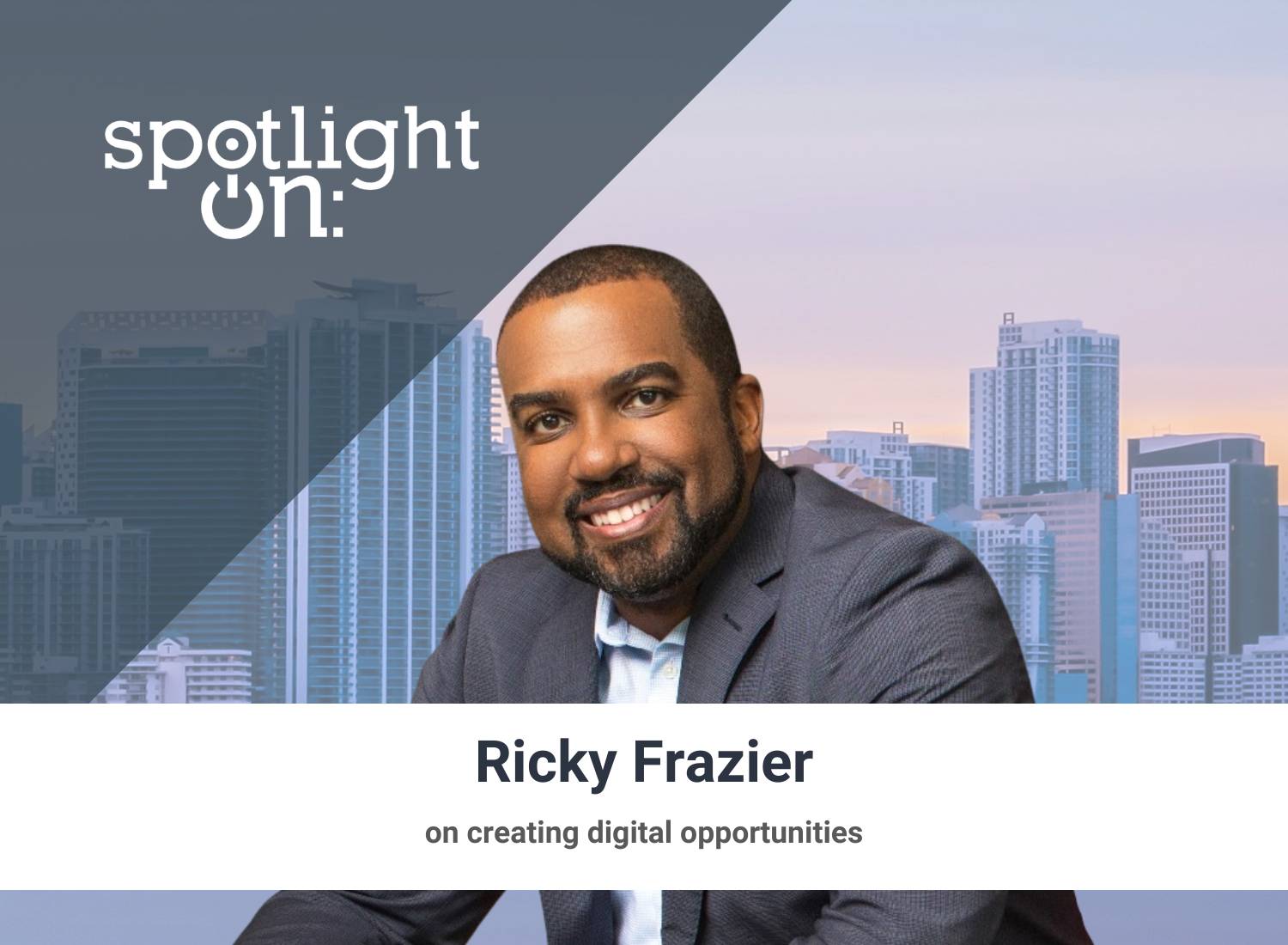
Spotlight On: Ricky Frazier, Senior Vice President, Keystone Region, Comcast

Ricky_Frazier_Spotlight_OnOctober 2025 — In an interview with Invest:, Ricky Frazier, senior vice president of Comcast’s Keystone region, discussed the evolution of Comcast’s converged network, its proactive local investment strategy in Pittsburgh, and its commitment to digital opportunity. “Our investments to expand our network support economic growth and create digital opportunities across Western Pennsylvania,” Frazier said.

Reflecting on the past year, what have been the most significant milestones in service expansion and regional development?

Comcast has accelerated expansion of our network across Western Pennsylvania, delivering smarter, faster, and more reliable connectivity to more homes and businesses. Our investments in next-generation infrastructure for both new and existing parts of our footprint are powering a converged network that brings together broadband, Wi-Fi, and mobile to create a seamless experience at home and on the go.

The ongoing investments we make in Pittsburgh and across our footprint enable us to give customers a network they can rely on. In fact, most Pittsburgh homes and businesses now have access to 2 Gbps download and 300 Mbps upload speeds, and our AI-powered tools proactively enhance reliability and security. This technology continues to expand across the region. 

We see constant evolution in the industry, and we shift our strategies and offerings to reflect what customers value most: flexibility, simplicity, and cost certainty. New pricing plans, Xfinity Internet five-year price guarantee, and a free unlimited line of Xfinity Mobile for a year are direct responses to customer feedback.

Through constant innovation and a customer-first mindset, Comcast is delivering a connectivity experience that’s built for today, ready for tomorrow.

How does Comcast’s continuous local investment in Pittsburgh directly translate into day-to-day service reliability and preparedness for residents and businesses?

Our local investment strategy is fundamentally about proactive, rather than reactive, readiness. The ongoing upgrades to our infrastructure, such as increasing speeds, expanding capacity, and enhancing reliability, mean the network is built to handle not just sudden surges in demand but also the steady, exponential growth in daily data usage from streaming, gaming, and remote work.

This commitment extends to everyday challenges. For instance, we employ AI-powered tools that constantly monitor the network to proactively identify and resolve potential issues before they ever impact a customer’s service. This focus on pre-emptive maintenance is a core part of our reliability promise. Furthermore, our local teams are a critical component of this preparedness that is all backed by industry leading and award-winning technology, creating a reliably connected experience for Pittsburgh every day.

On the enterprise side, are you seeing specific industry sectors, such as healthcare or advanced manufacturing, driving the need for next-generation networks?

Today, every industry is leveraging advanced technology to enhance productivity, streamline operations, and deliver exceptional customer experiences. In Western Pennsylvania, we are proud to support this transformation through our full suite of Comcast Business connectivity solutions, powering the businesses that power our community. This includes major partnerships in academia, innovation districts and healthcare, which is a sector of immense importance across Pennsylvania and Ohio. To enhance our local presence and support, we also recently opened a new Xfinity Store in the South Hills Village Mall of Upper St. Clair, providing a direct resource for business customers.

A key focus of our strategy is ensuring that the region’s growth is matched with next-generation connectivity from the ground up. We are actively working with developers to integrate Wi-Fi-ready infrastructure into new construction. This includes commercial spaces, new apartment buildings, and off-campus housing. By embedding our network during the building phase, we ensure that businesses, residents, and students experience seamless, high-performance connectivity from the very first day they move in. This proactive approach is essential for supporting the tech-driven revitalization we are seeing in many parts of Pittsburgh, ensuring the infrastructure is in place to match the innovation.

Comcast has been working to bridge the digital divide in Western Pennsylvania for over a decade. What does that commitment look like in practice?

Our commitment to digital opportunity is a sustained effort, built over more than a decade through deep partnerships with nonprofits across Pittsburgh and Western Pennsylvania. In practice, this means deploying a multilayered strategy. It begins with providing access through programs like Internet Essentials, which offers low-cost internet for low-income families. 

We then create access points in the community with Lift Zones, which provide free high-speed Wi-Fi in community spaces. But we know access alone is not enough. That is why we partner with nonprofits to support Digital Navigators — trained individuals who help people learn to use technology, access resources, and build essential digital skills. We also award nonprofits with funding to help them deliver digital skills training, access to devices, and workforce development programs. These partnerships are the backbone of our work because they ensure our programs are effectively reaching the community and addressing its specific needs. This comprehensive approach is a core priority because we believe ensuring digital opportunity for everyone is absolutely key to our collective future.

What are the primary infrastructure challenges and opportunities you see in expanding connectivity across a geographically diverse region like Western Pennsylvania?

The primary opportunity, which we treat as a challenge to be met, is the continuous expansion of our network to reach more homes and businesses than ever before. For instance, we recently brought our network to thousands of homes for the first time in Cranberry, Marshall, and Pine townships, where a new provider option has been welcomed.

In some parts of Pennsylvania, there are many areas that have been unserved for years, and we are committed to changing that. We are working with the Commonwealth and municipalities in rural areas, like parts of Washington County, to connect communities to high-speed Internet for the very first time. These private-public partnerships are not just about connectivity, they support economic development, provide access to telehealth and remote education, and foster long-term community growth.

From your perspective, what makes the Pittsburgh region a strategic location for Comcast and an attractive place for businesses to relocate or expand?

Pittsburgh is a uniquely strategic market because of its powerful sense of community. The residents here are exceptionally loyal and committed to supporting local businesses. Comcast operates as a hyperlocal business in each region we serve. Our team members, including myself, live and work in this region. This local presence is crucial. It allows us to build trust and ensures our investments are directly aligned with community needs. This translates into tangible support through our deep partnerships with organizations like the Pittsburgh Downtown Partnership. Together, we work to foster economic growth and build the digital infrastructure necessary for long-term prosperity. When a business relocates here or a resident connects to our network, they are not just getting a service, they are benefiting from an ecosystem where the provider, our technicians and our sales teams are genuinely invested in the community’s success.

What are your top strategic priorities for Comcast in Western Pennsylvania over the next three to five years?

Our strategy for the next three to five years is built on three interconnected priorities. First and foremost is the customer experience. We are committed to constant innovation to meet the evolving expectations of our customers across both residential and business segments. 

This daily focus on the customer directly informs our second priority: infrastructure. We will continue to build out a fast, secure, and reliable network to ensure we remain a next-generation network leader and fast-growing mobile provider. 

This advanced infrastructure is not an end in itself as it is the essential foundation for our third priority: community investment. We will continue to invest in the community to support digital opportunity and inclusion across Western Pennsylvania. By executing on these three fronts simultaneously — innovating for our customers, building a smart and reliable network, and reinvesting in the community — we foster sustainable growth for both our company and the entire region.

Is there a final thought you would like to share about what drives your team’s work in this community?

I feel honored and privileged to represent a large group of people who live and work here. Many of our team members have deep roots in this region as they have grown up here and are passionately committed to serving our customers. They love building the infrastructure for the future, and they take great pride in their work for both our current and future customers. It is their dedication that truly drives our success and our positive impact on Western Pennsylvania.

Want more? Read the Invest: Pittsburgh report.

Subscribe to Our Newsletters

"*" indicates required fields

Address*
Would You Like To Receive Our National Newsletter?*
Interests
Markets
This field is hidden when viewing the form

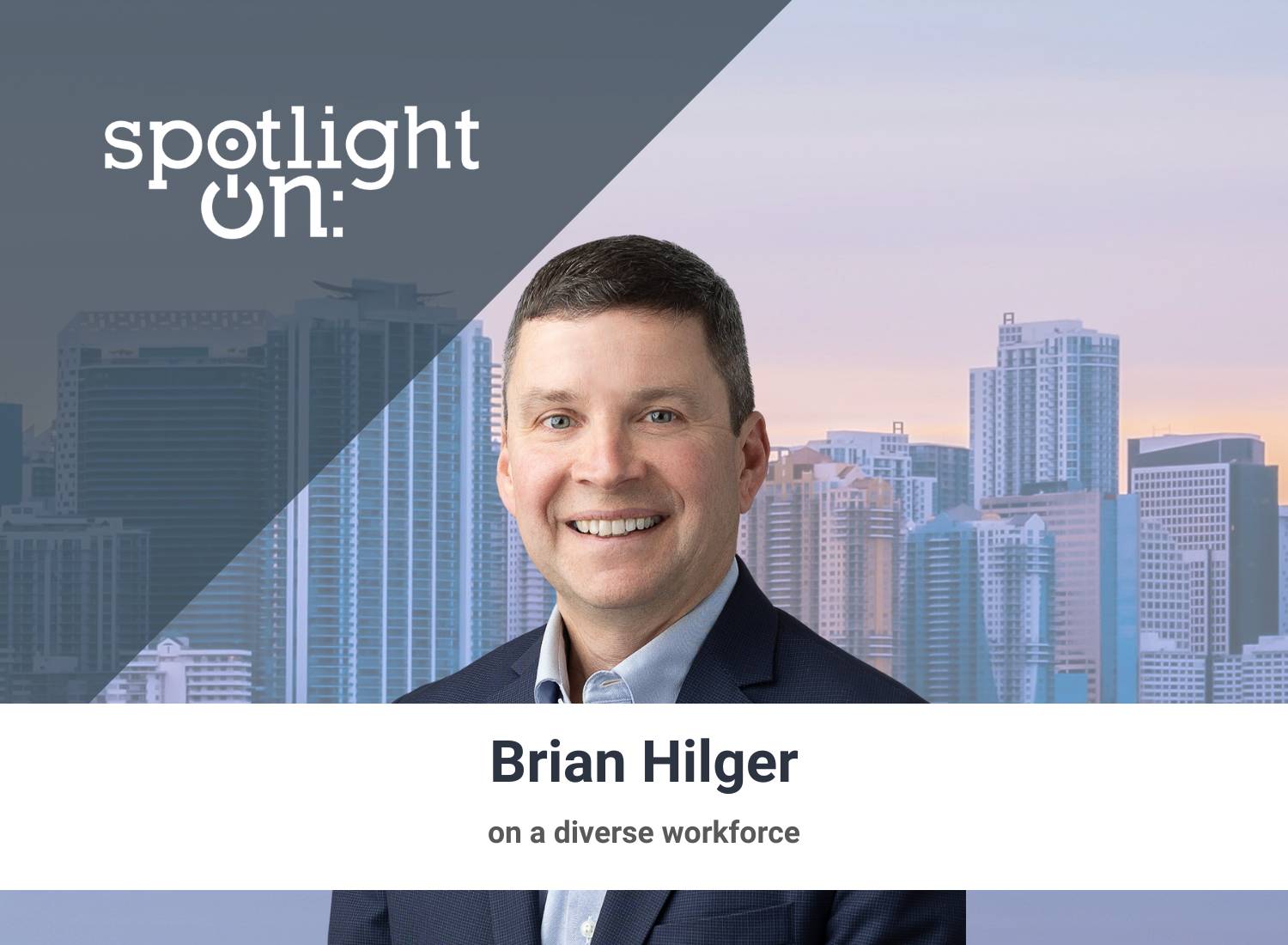
Spotlight On: Brian Hilger, Executive Managing Director, Philadelphia, Colliers

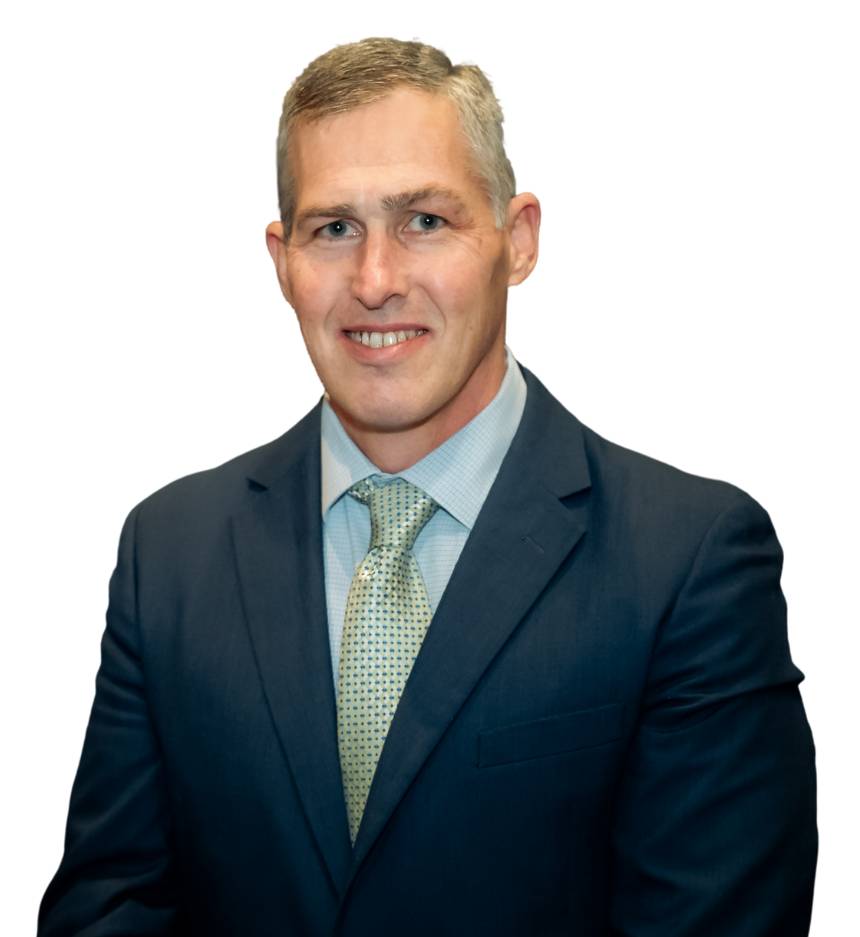
Brian_Hilger_Spotlight_OnOctober 2025 — Land availability is one of the biggest challenges in the Philadelphia real estate market. “They’re not making any more land, as they like to say, so it has been a challenge. That will result in an upward cost on things because land is just going to go up in value,” Colliers’ Executive Managing Director for Philadelphia Brian Hilger told Invest:.

What makes Philadelphia a great place for Colliers to operate in?

The No. 1 factor is labor. There is just a great diversity to the labor force here, spanning from blue collar to high tech, which has caused a lot of people to rethink Philadelphia. The city is also located near the Port of Philadelphia, Port of Camden, and Port of Wilmington in Delaware, as well as Newark. It’s got a great infrastructure in terms of rail. We also have a large airport with a significant UPS hub at the airport right on the runway, which helps as well.


Join us at the Philadelphia 6th Edition Leadership Summit! This premier event brings together hundreds of Southeast Pennsylvania and South Jersey’s regional leaders to discuss the challenges and opportunities for businesses and investors. This year’s theme centers on the regional strengths of the eds and meds. Click here to learn more.


How would you describe the state of the real estate industry in Philadelphia, and what factors are influencing market demand?

With almost every new year comes a lot of optimism. Last year, because of the election and because of interest rates, there was a lot of wait and see. Now, as the new year moves along, a lot of the projects from last year that got pushed into 2025 seem to be moving forward. We’re seeing a huge increase in our brokers’ opinions of value as well as listings and new pitches for new business. A lot of this was teed up last year, and it’s starting to take effect this year. 

In the office space, Philadelphia is sitting in a good spot, with limited new office construction. We think that if an office building is in a good location and highly amenitized, it’s probably well leased with good rental rates. On the industrial side, we have great access to highways to get to New York, to get to D.C., and points further south. And as you get west into Pennsylvania, we’ve got an awesome reach to the entire Northeast. I think we’re situated well on the industrial side. 

We’ve also seen retail come back. We’ve seen foot traffic at malls, and main streets across the region are coming back. Our retail brokers are benefiting from that as well.

What impact will tariffs have on commercial real estate?

We’re going to try to figure that out as we go along. I don’t think tariffs have had an immediate impact, although there have been some deals done because they were trying to get product into the region before the tariffs took hold. In that way, it was a little bit of a positive. But overall, we’re going to see what happens with these tariffs and how the economy reacts.

What are the biggest challenges for your company now?

One of the challenges that we’re facing is having the right people in the right segments. We think that there are some markets that are probably going to be better than they were a couple of years ago. I’ll use office as an example. In the last 10 years, most brokers getting into the business stayed away from office. So, there’s a glut of talent, call it under 35 years old, that has worked either in center city office or traditional suburban office markets. You can say that with retail as well, and vice versa on industrial. It’s probably oversaturated with talent on the industrial side. 

In the next two years, we’ll see a shift of focus among some people on the younger end who are still trying to figure out their career paths, moving from industrial to retail or office. I think that’ll happen in the next 18 to 24 months.

The pandemic hurt retail and office. So, a lot of people in the business were advised to go into industrial because that boomed. It’s been booming for 10 to 12 years, nationally as well as in Philly. It’s still doing very well in Philadelphia. I’d say the number of brokers that have gotten into industrial compared to other fields is probably 10 to 1.

Another challenge is finding land because it’s such an established market, and a lot of the land has been picked over and rezoned. There have been a ton of industrial products that have come online, for example. Those projects took vacant lots, such as an old school or an old retail center. 

They’re not making any more land, as they like to say, so it has been a challenge. That will result in an upward cost on things because land is just going to go up in value. I think there was a little bit of a pause there with the cost of construction, which has held off some projects, and that might not be a bad thing. It’s probably good because it is limiting the amount of supply that can come online.

What are some of the biggest opportunities for Colliers in Philadelphia over the next couple of years?

I think there are good opportunities in all sectors. We’re going to have to figure out where interest rates settle at some point. That’s going to help the institutional capital underwrite deals, and we’ll see more transactions out of that. The return to office should help with the office market in general. There’s not a whole lot of new construction within the office space, so we’re hoping that helps. We’ll still see industrial chug along pretty well as a lot of the projects that may have been stalled for a year or two are getting closer to coming out of the ground as the economy improves.

In multifamily, we’ve seen a huge impact in terms of requests for values and requests to sell properties. I don’t want to say there will be a supply glut, but a good amount of supply is coming on. As we figure out interest rates, we think the buyers will be able to figure out values for these buildings. That has been the challenge: Fluctuating interest rates have made it difficult for buyers to figure out value. I think multifamily, especially in Philadelphia, where it’s hard to find land, will continue to do well. 

We’ve got a strong healthcare group, and Philadelphia has an aging population, which is going to continue to put pressure on healthcare. The challenge in healthcare is educating the labor force. Healthcare labor is also a big issue. I think we’ll do well in the healthcare segment.

What is in the pipeline for Colliers in Philadelphia over the next two to three years?

Our industrial team is out with some big projects. One of them is in Southern Berks County, a multimillion-square-foot project. I think that’s an exciting one. Our medical team is leading some projects that will push the needle on community-centered ambulatory healthcare in our region. We also have a group that’s focusing on data centers. That’s a hot place to be right now. The key here is power infrastructure. If we can find power, that’s going to be a good spot to be in.

Want more? Read the Invest: Philadelphia report.

Subscribe to Our Newsletters

"*" indicates required fields
Address*
Would You Like To Receive Our National Newsletter?*
Interests
Markets
This field is hidden when viewing the form

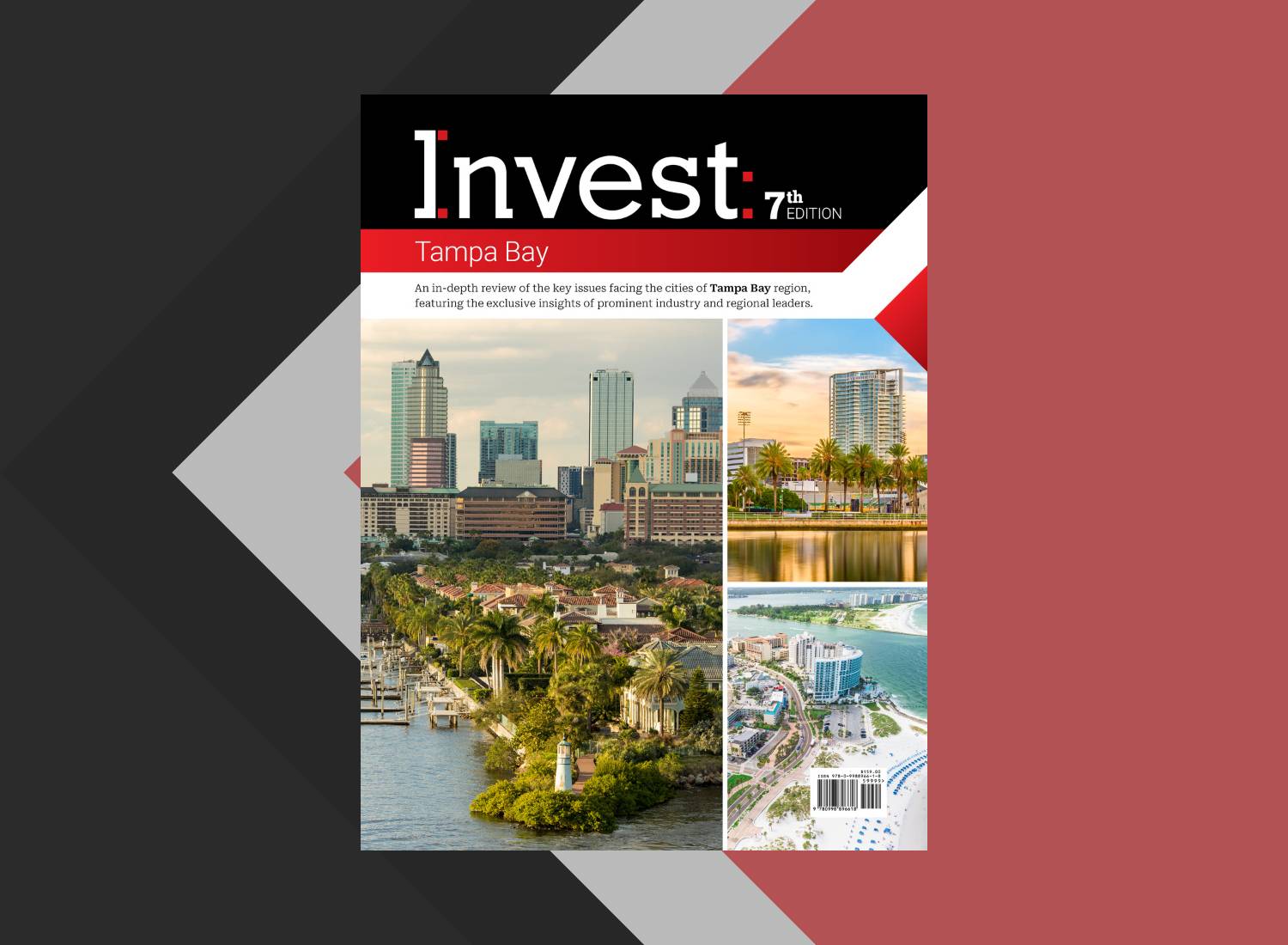
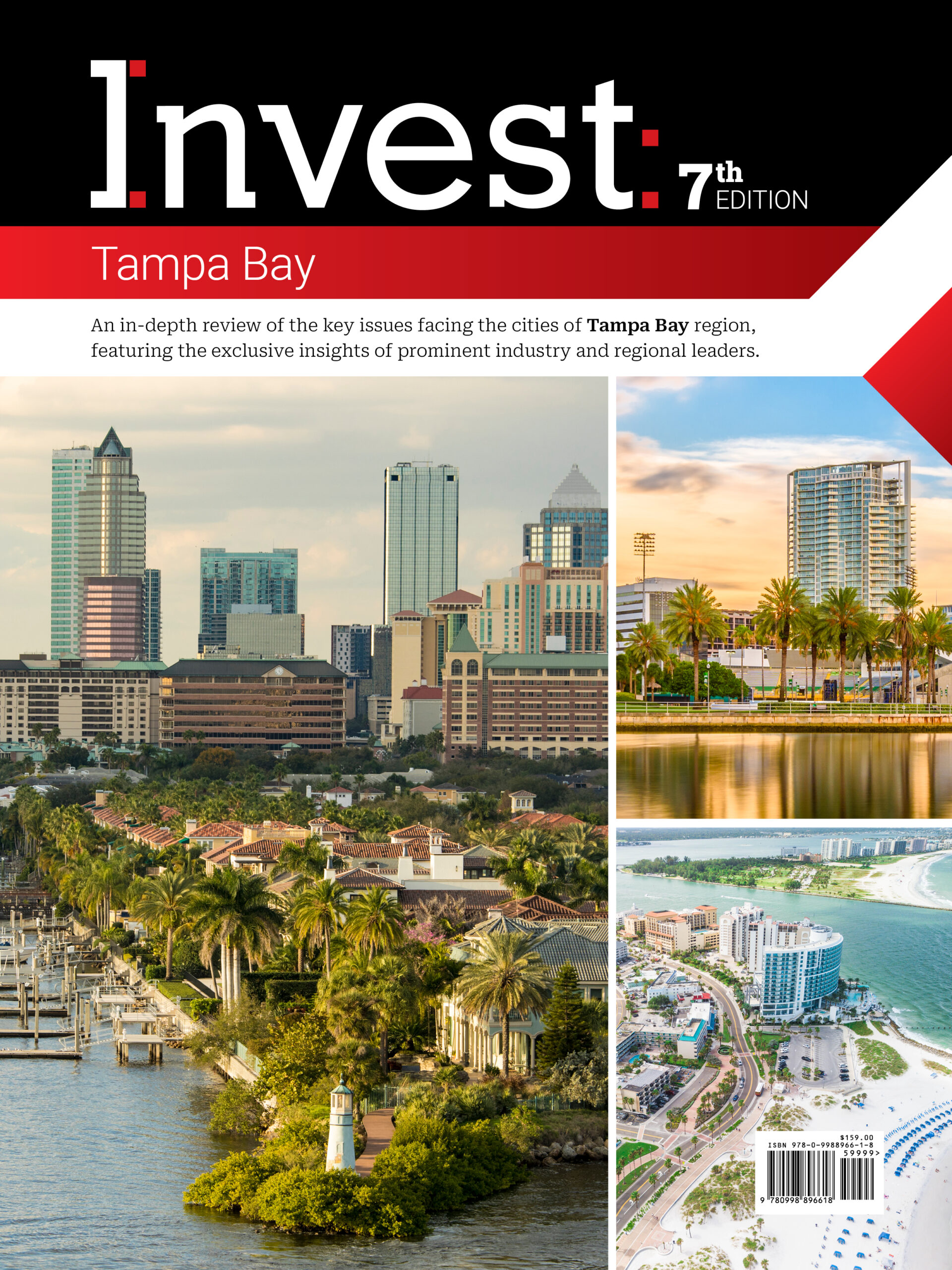
Invest: Tampa Bay to launch new edition covering regional economy trends

ITBe7_Cover

October 2025  — It’s hard to miss the momentum in Tampa Bay. From bustling cranes along the waterfront to startups finding their footing in downtown hubs, Florida’s West Coast is changing before our eyes.

Now entering the research phase of its seventh edition, Invest: Tampa Bay is going behind the headlines to capture the stories, strategies, and voices driving the region’s evolution. (Check out our latest report here.)

Through conversations with business, civic, and institutional leaders, the publication will spotlight how Tampa Bay is balancing rapid growth with long-term vision — in everything from housing and infrastructure to innovation and education.

“Tampa Bay is a fast-growing community of builders, dreamers, and doers,” said Abby Lindenberg, founder and CEO of caa. “The collaboration we’re seeing between public and private leaders is inspiring. From the University of South Florida shaping the next generation of talent to Port Tampa Bay anchoring international trade, there’s a shared sense of purpose about what comes next.”

The Tampa Bay metro area is home to more than 3 million people, and welcomes even more visitors to the region. In 2024, Hillsborough County recorded $1.16 billion in hotel revenue, up 7.4% from the previous year, marking the third consecutive year the county topped the $1 billion mark. 

Hotel occupancy in the county surpassed 80.3% in January 2025, demonstrating Tampa Bay’s position as a convention hub ahead of peer cities. Meanwhile, Florida as a whole saw 41.2 million visitors in 1Q25, sustaining its position as a national tourism heavyweight.

Within the business community, local governments and development councils are championing inclusive growth, ensuring that as the skyline expands, opportunities do too. From investing in public transit and sustainable energy to supporting small businesses and entrepreneurs, Tampa Bay is showing what it means to grow with intention.

Through in-depth interviews and data-driven analysis, Invest: Tampa Bay will highlight the leaders shaping the region’s next decade — and the collective effort that keeps its economy strong, resilient, and full of promise.

About caa & Invest: Tampa Bay

caa is an integrated media platform producing in-depth business intelligence through its annual print and digital economic reviews, high-impact events, and exclusive video interviews via its platform, Invest:Insights.

Invest: Tampa Bay dives deep into the people and industries that define the region’s growth — from real estate and healthcare to technology, education, and tourism. Backed by interviews with more than 200 influential leaders, the publication offers a panoramic view of the market’s opportunities, challenges, and future outlook.

Produced each year with one simple mission 1) to provide comprehensive investment knowledge on the region for local, national and international investors, and 2) to promote the region as a place to invest and do business. Invest: Tampa Bay invites local voices to tell their story, in their own words, to a global audience.

For more information, contact:

Danielle Karlinsky

Executive Director

[email protected]

Melis Turku Topa

Editorial Lead

[email protected]

Want more? Read the Invest: Tampa Bay report.

Subscribe to Our Newsletters

"*" indicates required fields

Address*
Would You Like To Receive Our National Newsletter?*
Interests
Markets
This field is hidden when viewing the form